

Researchers at the University of Nebraska-Lincoln have unveiled a groundbreaking study that probes the deep-seated psychological and biological foundations of arachnophobia, the intense fear of spiders that grips millions worldwide. Released in early March 2026, this Nebraska arachnophobia study represents a cross-disciplinary push to decode the intricacies of human anxiety responses and the evolutionary survival traits that might explain why so many of us recoil at the sight of a spider. As the university digs into these primal fears, the campus is also marking a significant leadership milestone: Dr. Heng-Moss has been permanently named vice chancellor for agriculture and natural resources, setting the stage for ambitious agronomy initiatives that could reshape regional farming practices. According to UNL News, these developments highlight a vibrant period of innovation at the institution.
Unpacking Arachnophobia’s Psychological Layers

At its core, the Nebraska arachnophobia study shines a light on the psychological mechanisms that transform a simple encounter with a spider into a full-blown anxiety episode. Arachnophobia isn’t just an irrational quirk; it’s a complex interplay of cognitive processes where the brain rapidly assesses potential threats, triggering heightened alertness and emotional distress. Researchers emphasize how these responses reveal broader patterns in human anxiety, offering clues to why certain fears persist across generations. By examining these mental pathways, the study aims to foster a deeper empathy for those battling intense phobias, framing arachnophobia as a window into the mind’s intricate wiring.
The Biological Blueprint Behind Spider Fear
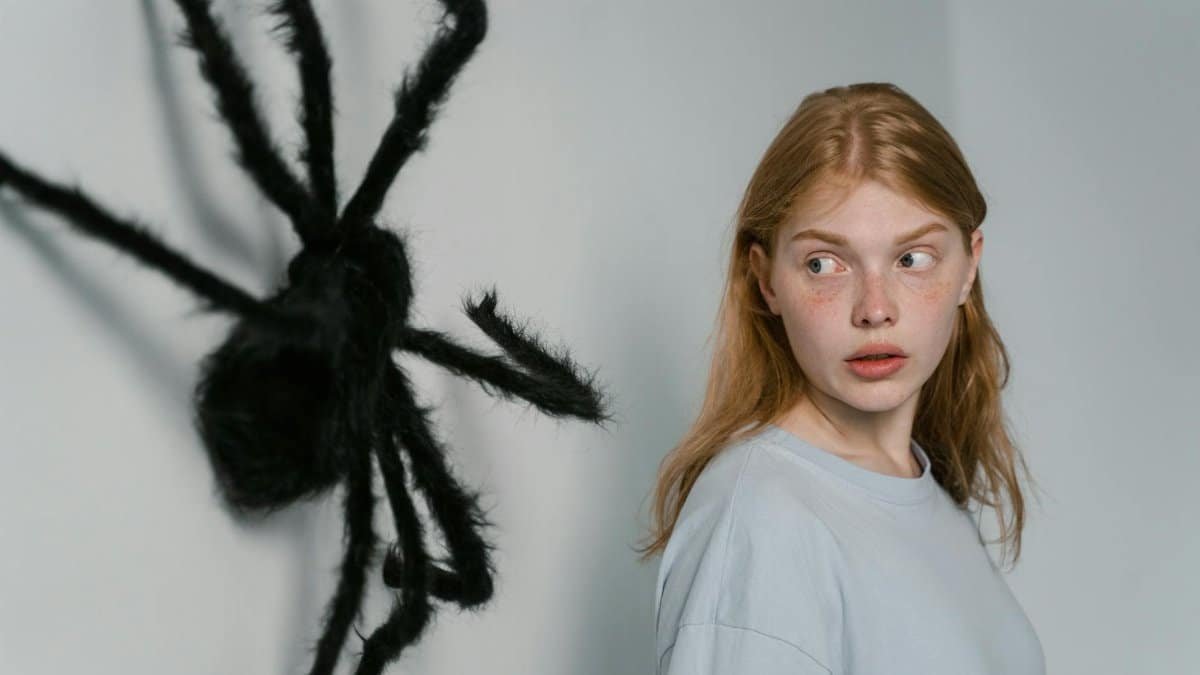
Delving into biology, the University of Nebraska-Lincoln’s work explores the physiological underpinnings that amplify arachnophobic reactions. From elevated heart rates to adrenaline surges, the body’s fight-or-flight system activates swiftly in response to spider-like stimuli, a reaction honed over millennia. This Nebraska arachnophobia study meticulously traces these biological roots, illustrating how neural circuits and hormonal cascades converge to produce visceral fear. Such insights not only demystify the phobia but also underscore the tangible, measurable ways our bodies encode survival instincts, paving the way for targeted interventions.
Evolutionary Echoes in Modern Fears

Evolutionary survival traits form a cornerstone of the research, positing that arachnophobia may stem from ancient adaptive advantages. Spiders, with their venomous potential and unpredictable movements, posed real dangers to our ancestors, conditioning a hardwired aversion that persists today. The study connects these dots, suggesting that what feels like an overreaction in a modern kitchen is actually a vestige of strategies that once ensured survival in wild environments. This perspective, drawn from the Nebraska arachnophobia study, enriches our understanding of why certain phobias endure, even in safer contexts, blending past perils with present-day psychology.
A Cross-Disciplinary Lens on Anxiety

What sets this effort apart is its cross-disciplinary nature, uniting psychologists, biologists, and neuroscientists in a collaborative quest. By merging expertise from diverse fields, the Nebraska arachnophobia study achieves a holistic view of anxiety responses, avoiding the silos that often limit research. This integrated approach mirrors real-world complexities, where fear arises from intertwined psychological, biological, and evolutionary factors. As reported by UNL News, such teamwork exemplifies how universities can tackle multifaceted challenges, yielding insights that resonate beyond academia.
Human Anxiety Responses Under the Microscope

The study’s focus on human anxiety responses extends arachnophobia’s lessons to wider emotional landscapes. Anxiety isn’t monolithic; it’s a spectrum where spider fear serves as a potent case study, highlighting triggers, intensities, and coping mechanisms. Researchers at Nebraska illuminate how these responses vary individually yet share common threads, informed by biology and evolution. This nuanced exploration encourages a compassionate view of phobias, recognizing them as adaptive echoes rather than weaknesses, and hints at universal strategies for managing everyday stresses rooted in similar mechanisms.
Blending seamlessly with established findings, such as those from early exposure experiments showing innate biases toward spider shapes in infants, the Nebraska arachnophobia study reinforces the idea that some fears are predisposed, not purely learned.
Campus Triumph: Dr. Heng-Moss Steps Up

Amid the excitement over the arachnophobia research, the University of Nebraska-Lincoln celebrates a pivotal appointment that bolsters its agricultural legacy. Dr. Heng-Moss’s permanent naming as vice chancellor for agriculture and natural resources signals a commitment to transformative agronomy initiatives. Tasked with spearheading massive projects, she brings proven leadership to an area vital for food security and sustainability. This milestone, as noted in university announcements, infuses the campus with optimism, paralleling the innovative spirit of the ongoing psychological studies.
Implications for Phobia Treatment and Beyond

While the Nebraska arachnophobia study doesn’t prescribe cures, its revelations into psychological and biological roots hold promise for refined phobia management. Understanding evolutionary survival traits could inspire therapies that respect innate responses rather than overriding them, potentially easing anxiety for arachnophobes and others. The cross-disciplinary model itself offers a blueprint for future investigations into fears, from heights to public speaking, broadening the study’s ripple effects across mental health landscapes.
Looking Forward from Lincoln

As the dust settles on this early March 2026 release, the Nebraska arachnophobia study positions the University of Nebraska-Lincoln as a hub for probing humanity’s deepest instincts. Coupled with Dr. Heng-Moss’s leadership in agronomy, these endeavors reflect a campus pulsing with purpose. Researchers anticipate that decoding anxiety responses will not only demystify spider fears but also illuminate paths to resilience, reminding us that confronting primal terrors can yield profound personal and scientific growth. In an era of mounting stresses, such work feels timely and essential.
Echoing prior reputable work, like genetic twin studies indicating heritability in specific phobias, this research at UNL adds layers to the biological narrative without venturing into uncharted claims.