
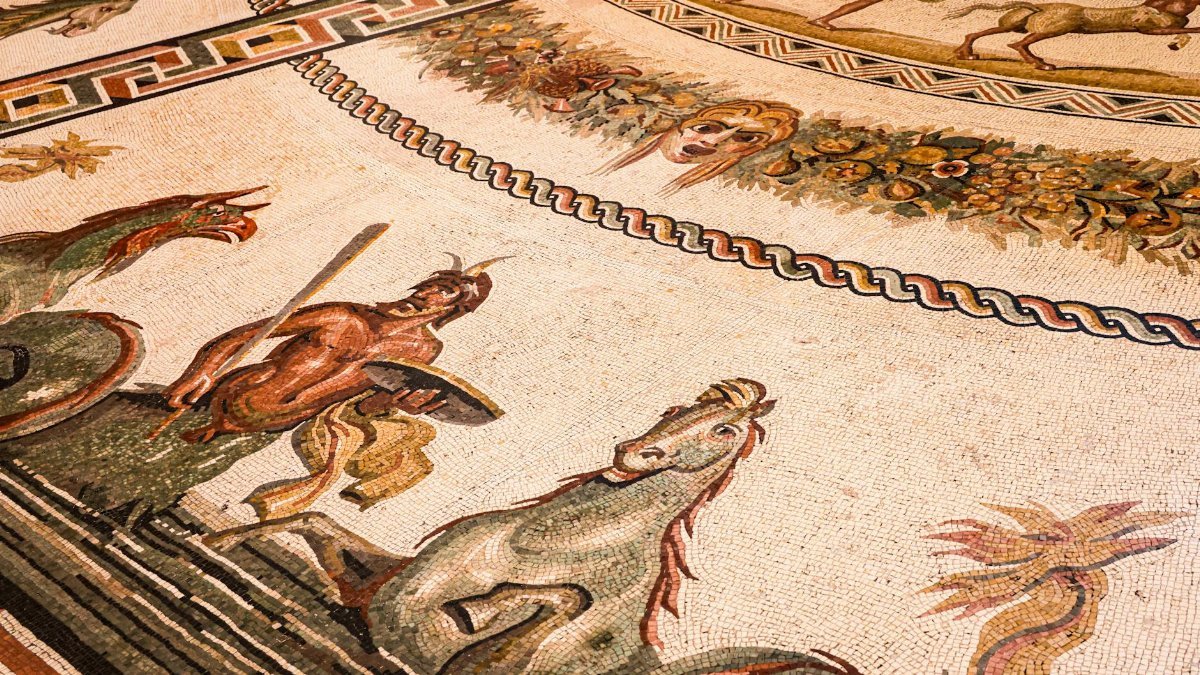
In the quiet fields of Rutland, Britain, archaeologists have unearthed a stunning roman mosaic britain that rewrites our understanding of ancient literary tastes. This 2,000-year-old masterpiece, discovered during a routine excavation, doesn’t showcase the expected scenes from Homer’s Iliad. Instead, its intricate tiles vividly depict a long-lost Greek tragedy penned by Aeschylus, the father of tragedy himself. The carefully restored floor artwork bursts with dramatic Trojan War moments, offering a rare window into the sophisticated cultural life of Roman Britain. As reported by ScienceDaily, this find challenges assumptions about what Romans in the provinces cherished from classical literature.
Unearthing a Hidden Gem in Rutland
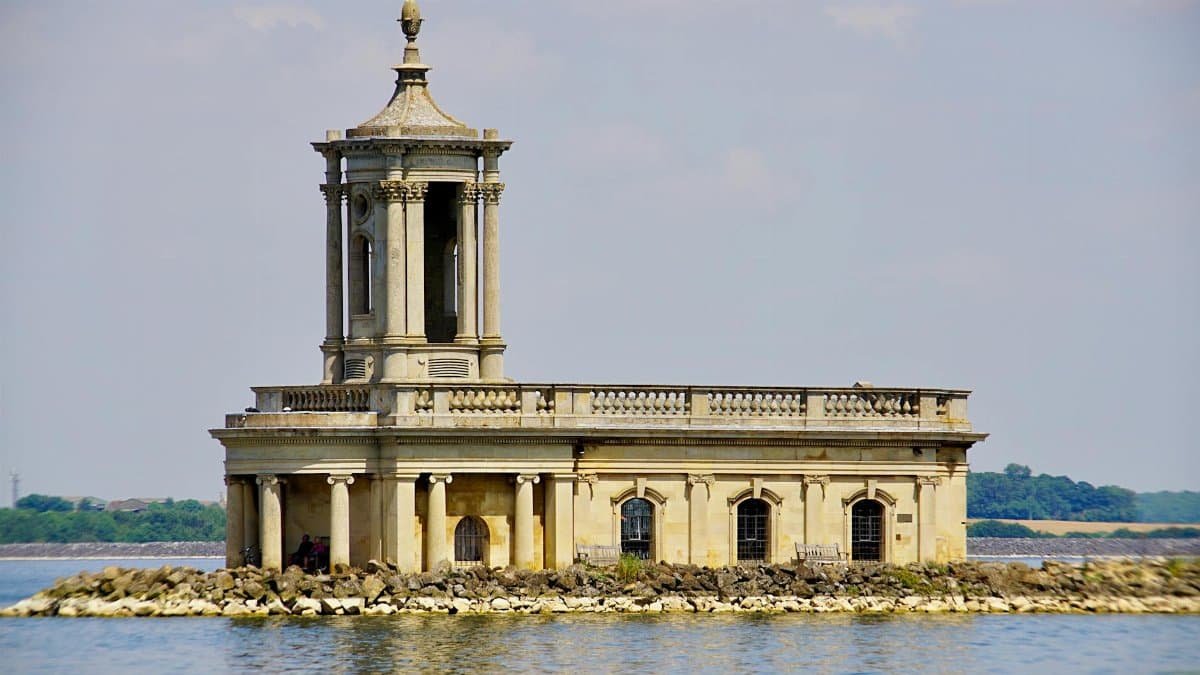
The discovery began amid the rolling countryside of Rutland, a region not typically synonymous with blockbuster archaeological finds. During an excavation, workers stumbled upon this highly intricate Roman mosaic, its tiles preserved remarkably well after two millennia underground. What started as a standard dig quickly turned into a revelation as experts pieced together the fragmented artwork. The mosaic’s location in Britain underscores how far Roman influence extended, carrying with it echoes of Mediterranean artistry and storytelling. Historians now see this as a testament to the empire’s reach, where even remote outposts boasted floors worthy of emperors.
A Surprising Twist on Mythological Storytelling

Roman mosaics often drew from familiar myths, but this one stands apart. Rather than retelling Homer’s epic poem—the go-to narrative for Trojan War tales—this artwork illustrates a forgotten tragedy by Aeschylus. Known for his profound explorations of fate and human suffering, Aeschylus crafted plays that delved deeper into the emotional turmoil of ancient legends. The choice here suggests Roman Britons craved something more intense, more theatrical than the standard heroic sagas. This deviation highlights a nuanced appreciation for Greek drama in the northern fringes of the empire.
Vivid Scenes from the Trojan War
The mosaic’s floor tiles come alive with dramatic vignettes from the Trojan War, each scene rendered with striking clarity and emotion. Figures clash in battle, gods intervene, and heroes grapple with destiny in ways that evoke the stage rather than the battlefield. These depictions, vibrant even after restoration, capture the raw intensity of Aeschylus’ style—think choruses of lamenting warriors or vengeful deities. For viewers today, it’s like stepping into a lost performance, where every tile contributes to a larger, unfolding tragedy. This level of detail speaks to the skill of the artisans who transported Greek literary passion across the Channel.
The Masterful Craftsmanship Revealed

What makes this roman mosaic britain so remarkable is its intricacy. Thousands of tiny tesserae—small pieces of stone, glass, and ceramic—form a seamless tapestry of color and movement. Conservators have meticulously restored it, piecing together sections that had cracked or shifted over centuries. The result is a floor that could grace any modern museum, its hues as bold as the day it was laid. Such workmanship wasn’t cheap; it points to a villa owner with means and taste, investing in a surface that doubled as art and conversation starter for elite gatherings.
Restoration Brings the Past to Life
Bringing this 2,000-year-old relic back to its former glory required painstaking care. Teams of experts cleaned, realigned, and filled in missing elements, ensuring the mosaic’s dramatic scenes remained true to their ancient intent. The process not only preserved the physical artifact but also unlocked its narrative secrets. Now fully visible, the tiles reveal how Romans in Britain adapted Greek stories to their own floors, turning mythology into domestic splendor. This restoration effort, detailed in reports from archaeological outlets, ensures future generations can ponder the same images that captivated long-ago inhabitants.
Challenging Views of Roman Literary Culture
This find provides an unprecedented glimpse into the diverse literary culture of ancient Roman Britain. Far from a cultural backwater, the province embraced highbrow Greek tragedies alongside more popular epics. Aeschylus’ influence here suggests traveling scholars, imported manuscripts, or oral traditions kept these works alive. It paints a picture of Roman Britons as discerning patrons, blending local life with imported sophistication. In a province known for its military forts and farms, such a mosaic elevates the intellectual landscape, showing literature’s power to transcend borders.
A Forgotten Tragedy Rediscovered
Aeschylus, writing in the 5th century B.C., produced dozens of plays, many now lost to time. This mosaic revives one such obscurity, focused on Trojan War themes that echoed through his surviving works like the Oresteia. By choosing this over Homer, the mosaic’s creators signaled a preference for tragedy’s depth—exploring grief, revenge, and divine justice amid the war’s chaos. It’s a mythological secret long buried, now exhumed to remind us how fragile cultural memory can be. Roman mosaic britain like this one serves as a bridge, connecting us to texts that might otherwise have vanished.
Implications for Understanding Roman Britain
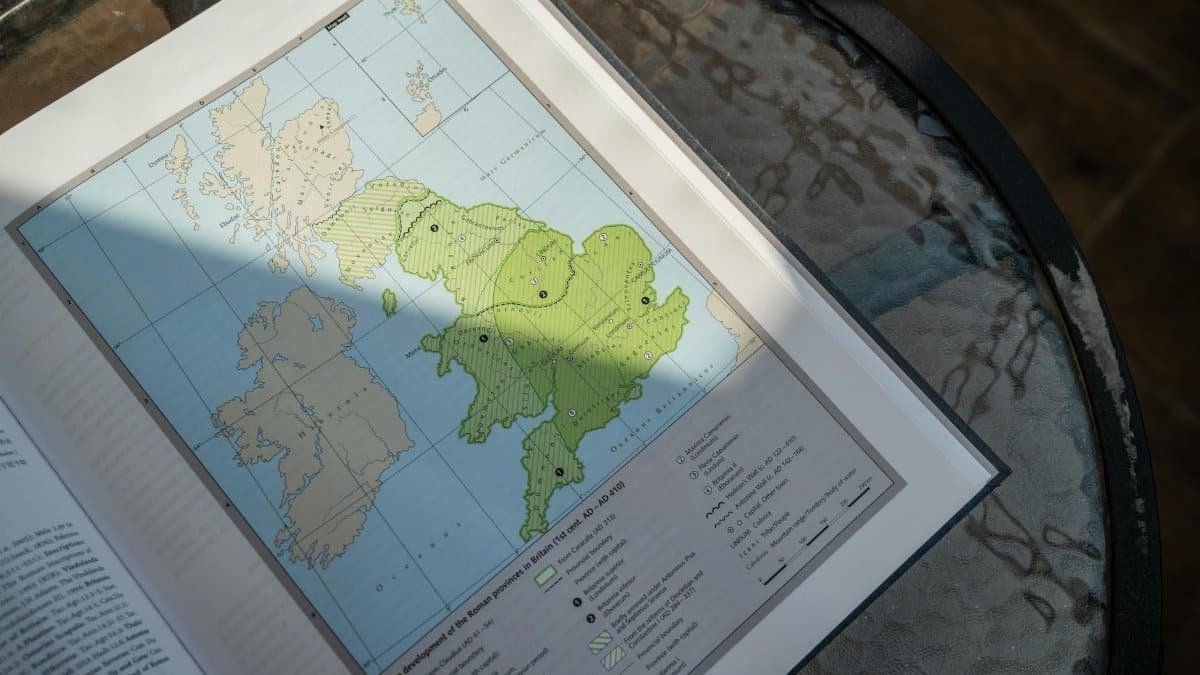
The broader story here is one of cultural fusion. In Roman Britain, mosaics frequently adorned villas, drawing from a shared imperial repertoire of myths. Yet this example’s nod to a niche Aeschylus play hints at personalized tastes, perhaps influenced by educated elites from the empire’s heart. As noted in archaeological analyses, such artworks reflect how provincials engaged with classical heritage, making it their own. This roman mosaic britain enriches our view of the era, proving that even in misty isles, the flames of Greek drama burned brightly under Roman rule.
This extraordinary discovery in Rutland doesn’t just dazzle with its beauty; it reshapes narratives about who read what, and why, in the ancient world. As studies of Roman provincial art continue, finds like this keep surprising us, layer by colorful layer.