
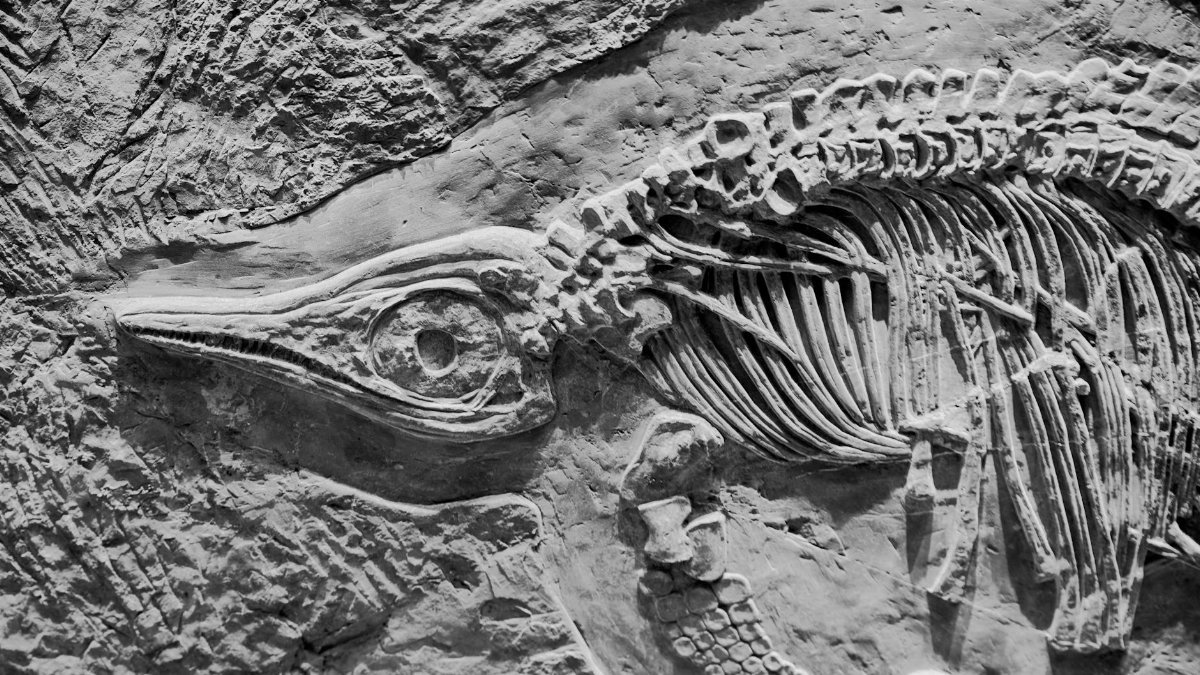
Along the rugged cliffs of the Jurassic Coast in the United Kingdom, a groundbreaking discovery has emerged from the earth’s ancient layers: a jurassic ichthyosaur fossil that’s poised to upend our understanding of prehistoric marine life. Dubbed the Sword Dragon of Dorset, this three-meter-long specimen of an ancient ichthyosaur, dating back more than 190 million years, boasts skeletal remains so stunningly preserved that paleontologists say it’s rewriting the evolutionary playbook for apex ocean predators. The find offers fresh insights into the anatomical diversity and lightning-fast evolution of these formidable reptiles that once ruled the seas, as reported by ScienceDaily.
A Treasure Unearthed on the Jurassic Coast
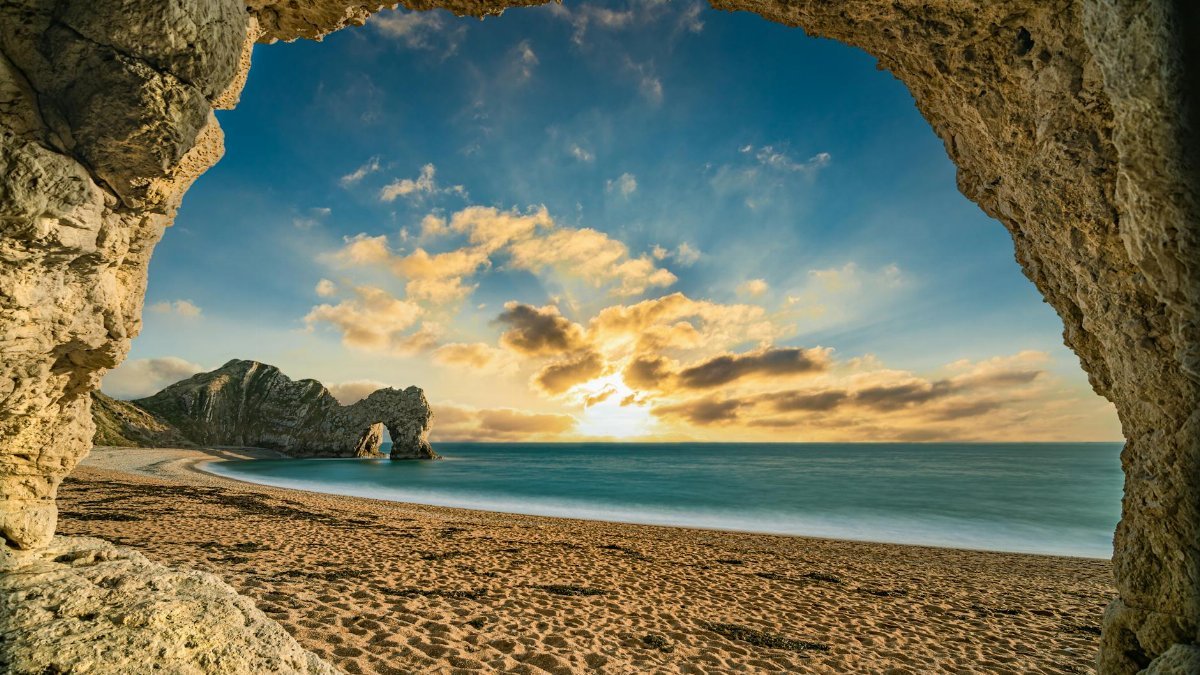
The Jurassic Coast, a UNESCO World Heritage site stretching along southern England, has long been a hotspot for fossil hunters, its exposed rock formations revealing snapshots of life from the Mesozoic era. This latest revelation—a newly identified marine fossil—adds a thrilling chapter to that legacy. Discovered in the region known for its dramatic Dorset cliffs, the specimen highlights how the area’s geological riches continue to yield surprises. Paleontologists emphasize that such finds are rare, providing a window into oceans teeming with massive reptiles over 190 million years ago.
What sets this discovery apart is its completeness, allowing experts to scrutinize details that fragmented fossils often obscure. The Jurassic Coast’s dynamic erosion processes have a way of unveiling these hidden gems at just the right moment, preserving the intricate structures of long-extinct creatures like this ichthyosaur.
Meet the Sword Dragon of Dorset

Nicknamed the Sword Dragon of Dorset, this marine reptile evokes images of a mythical beast straight out of legend, with its elongated form suggesting a powerful swimmer adapted for hunting in ancient waters. At three meters in length, it’s a formidable presence, embodying the prowess of ichthyosaurs—streamlined predators that dominated Jurassic seas. The moniker captures the imagination, blending scientific precision with the awe-inspiring drama of paleontology.
This unique species stands out not just for its size but for features that challenge previous assumptions about ichthyosaur morphology. The fossil’s preservation reveals a creature built for speed and agility, traits essential for apex predators navigating vast prehistoric oceans.
Ancient Origins: Over 190 Million Years Old

Dating to more than 190 million years ago, during the Early Jurassic period, this jurassic ichthyosaur fossil anchors itself firmly in a time when Earth’s oceans were undergoing profound changes. Ichthyosaurs, evolving from land-dwelling ancestors, had by then fully embraced aquatic life, their bodies finely tuned for underwater prowess. This specimen’s age underscores the deep antiquity of these reptiles, offering a tangible link to an era before dinosaurs fully claimed the spotlight on land.
The timeline is crucial: at over 190 million years, it captures a pivotal moment in marine evolution, when biodiversity was surging and predators were adapting rapidly to fill ecological niches.
Stunning Preservation Unlocks Secrets

The skeletal remains of the Sword Dragon are described as stunningly preserved, a paleontologist’s dream that allows for meticulous analysis without the guesswork common in weathered finds. Every bone, from the robust vertebrae to the finely detailed skull, tells a story of life in Jurassic waters. Such exceptional condition is what enables the critical new insights now emerging.
This level of preservation is akin to finding a perfectly intact shipwreck from centuries past—rare and revelatory. It permits researchers to measure dimensions accurately, reconstruct movements, and infer behaviors that poorer fossils could only hint at.
Revealing Anatomical Diversity

One of the fossil’s most profound contributions lies in illuminating the anatomical diversity among ancient ichthyosaurs. Previously, our picture of these reptiles was patchwork, based on incomplete specimens. This three-meter marvel fills in blanks, showcasing variations in body plans that suggest a wider array of forms than once thought.
Paleontologists note that such diversity points to specialized adaptations—perhaps for different hunting strategies or depths—enriching our view of Jurassic marine ecosystems. The jurassic ichthyosaur fossil thus serves as a key to unlocking how these predators diversified amid competitive pressures.
The Rapid Evolution of Apex Predators
Perhaps most exciting is the evidence of incredibly rapid evolution in apex ocean predators. The Sword Dragon’s unique traits indicate that ichthyosaurs underwent swift morphological changes, outpacing expectations from earlier models of prehistoric development. This challenges the notion of gradual shifts, suggesting bursts of innovation driven by environmental demands or prey dynamics.
In the context of Jurassic seas, where food chains were fiercely contested, such speed would have been advantageous. The fossil provides concrete anatomical proof, blending seamlessly with known patterns of marine reptile evolution to paint a dynamic picture of adaptation.
Rewriting the Prehistoric Evolutionary Playbook
This discovery is completely rewriting the prehistoric evolutionary playbook, as paleontologists assert. Long-held timelines and family trees for ichthyosaurs may need revision, with the Sword Dragon introducing a branch that demands reevaluation. It’s a reminder that the fossil record, while vast, still holds transformative surprises.
By integrating this jurassic ichthyosaur fossil into broader studies, scientists can refine models of how marine reptiles rose to dominance. The implications ripple outward, potentially influencing understandings of extinction events and recovery phases in deep time.
A Glimpse into Ancient Ocean Dominance

Ultimately, the Sword Dragon of Dorset embodies the thrill of paleontology: turning rock into revelation. Its insights into anatomical diversity and rapid evolution underscore the complexity of apex ocean predators, creatures that shaped marine history over 190 million years ago. As research progresses, this fossil promises to inspire further expeditions along the Jurassic Coast and beyond.
For now, it stands as a testament to nature’s ingenuity, preserved impeccably to challenge and expand our knowledge. In the hands of dedicated paleontologists, it’s not just a relic—it’s a catalyst for reimagining the ancient seas.