
In a blaze of rhythm and spectacle, Bad Bunny headlined the Super Bowl halftime show at Super Bowl LX on February 8, 2026, delivering a high-energy performance that drew 128 million viewers to their screens. Joined by powerhouses Lady Gaga and Ricky Martin, the Puerto Rican superstar fused hits in Spanish and English with vibrant choreography and heartfelt cultural tributes. Pyrotechnics exploded across the field, while seamless audience engagement pulled fans into the celebration of Latin music’s soaring global influence. The show earned widespread acclaim for its inclusivity and sheer grandeur, cementing its place in the storied tradition of unforgettable Super Bowl entertainment,as reported by AP News.
Bad Bunny Commands the Super Bowl Halftime Spotlight
From the moment Bad Bunny strode onto the field at Allegiant Stadium in Las Vegas, the energy was electric. Known for his genre-blending reggaeton and trap sound, the artist—whose real name is Benito Antonio Martínez Ocasio—brought his signature charisma to one of the world’s biggest stages. This Super Bowl halftime performance marked a pinnacle in his career, transforming the halftime break into a cultural phenomenon. His commanding presence set the tone, blending raw intensity with polished showmanship that kept the massive crowd on its feet. It was a moment that showcased not just his vocal prowess, but his ability to bridge worlds through music.
Star Power Amps Up with Lady Gaga and Ricky Martin

The collaboration elevated the show to new heights when Lady Gaga and Ricky Martin joined Bad Bunny onstage. Gaga, with her theatrical flair, and Martin, a Latin pop icon, created a seamless synergy that thrilled audiences. Their appearances weren’t mere cameos; they wove into the performance’s fabric, amplifying its emotional depth and star quality. This trio represented a rare convergence of global talents, each bringing their unique flair—Gaga’s dramatic vocals, Martin’s timeless energy, and Bad Bunny’s modern edge. Together, they turned the Super Bowl halftime into a unifying force, appealing to fans across generations and borders.
Hits in Spanish and English Unite Millions

A standout feature was the bilingual setlist, featuring Bad Bunny’s biggest hits delivered in both Spanish and English. Songs that have dominated charts worldwide pulsed through the stadium, resonating with the diverse Super Bowl audience. This linguistic fusion wasn’t accidental; it mirrored the artist’s own journey and the growing mainstream embrace of Latin tracks. Viewers from every corner tuned in, with 128 million captivated by the infectious beats and lyrics that transcended language barriers. The selection highlighted how music can foster connection, making the performance a true reflection of today’s multicultural listening habits.
Vibrant Choreography Steals the Show
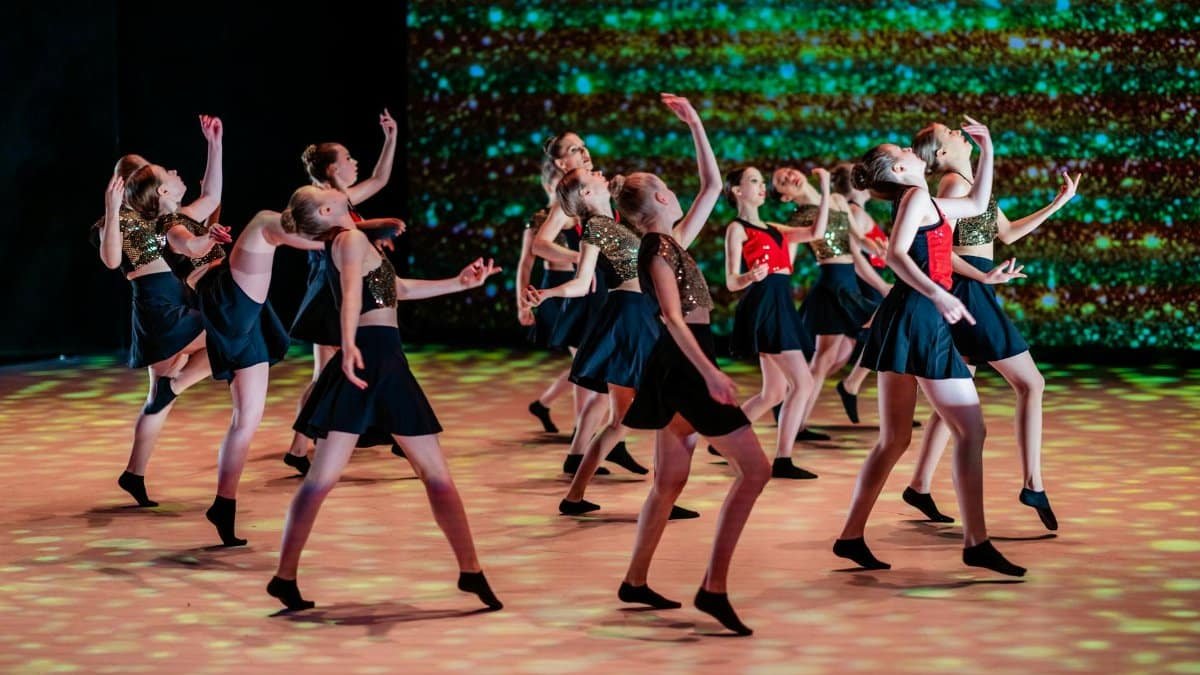
The choreography was a visual feast, with dancers executing precise, high-octane routines that synchronized perfectly with the music’s pulse. Bathed in colorful lights, the performers moved with explosive precision, incorporating elements of street dance, salsa influences, and contemporary flair. Bad Bunny himself participated fluidly, his movements adding authenticity and swagger. This vibrant display elevated the Super Bowl halftime beyond sound, creating a cinematic experience that demanded attention. It was the kind of choreography that lingers in memory, proving that visual storytelling can be as powerful as the songs themselves.
Cultural Tributes Honor Latin Roots

Threaded throughout were cultural tributes that paid homage to Latin heritage, from rhythmic nods to Puerto Rican traditions to broader celebrations of Hispanic artistry. These moments added layers of meaning, transforming the show into more than entertainment—it became a statement. Bad Bunny’s performance spotlighted the vibrancy of Latin music, inviting global audiences to appreciate its depth. In an era where Latin artists top international charts, as noted in Billboard’s longstanding tracking of crossover successes, this segment underscored the genre’s enduring appeal and its role in shaping pop culture.
Pyrotechnics and Effects Ignite the Night

Highlights included jaw-dropping pyrotechnics that lit up the Las Vegas sky, synchronized explosions that matched the beats’ crescendos. Flames and sparks cascaded in choreographed bursts, heightening the drama without overshadowing the artists. These effects weren’t gimmicks; they enhanced the high-energy vibe, creating immersive moments that felt larger than life. Coupled with state-of-the-art lighting and projections, the production values rivaled a major concert tour, ensuring every angle—from stadium seats to home TVs—delivered maximum impact.
Audience Engagement Pulls Fans In
What truly set the Super Bowl halftime apart was its direct engagement with the audience. Bad Bunny and his guests interacted effortlessly, encouraging sing-alongs, waves, and cheers that rippled through the 65,000-plus in attendance and beyond. Screens captured fan reactions, beaming joy nationwide. This interactivity broke down the performer-spectator divide, making viewers feel part of the celebration. In a live event of this scale, such connection amplifies the spectacle, turning passive watching into shared euphoria.
Acclaim for Inclusivity and Grand Spectacle

Critics and fans alike hailed the performance for its inclusivity, praising how it welcomed diverse voices and styles into the mainstream spotlight. The blend of languages, genres, and artists was lauded as a bold step forward, reflecting America’s evolving cultural landscape. Its spectacle— from choreography to effects—earned descriptors like “unforgettable” and “game-changing.” This acclaim wasn’t hype; it stemmed from a show that balanced accessibility with artistry, proving Latin music’s power to captivate universally.
Viewership Milestone and Halftime Legacy

With 128 million viewers, the Super Bowl halftime shattered expectations, underscoring its status as a cultural juggernaut. This figure continued the event’s legacy of drawing record crowds, building on decades of iconic shows from Michael Jackson to Beyoncé. Bad Bunny’s triumph added a fresh chapter, celebrating Latin music’s global influence while honoring the tradition of pushing boundaries. As the confetti settled, it was clear: this performance had redefined what a Super Bowl halftime could be—vibrant, inclusive, and impossible to forget.
By Chris F. Weber