
In the relentless grind of modern ambition, where executives juggle boardrooms and family dinners, a simple ritual stands out as a quiet rebellion against exhaustion. A 2026 study from the American Psychological Association, surveying over 5,000 top performers across industries, found that those who incorporated morning mantras into their routines experienced 42 percent less daily stress and reported higher sustained productivity throughout the year. The research highlights how these brief affirmations, recited in the first light of day, recalibrate the mind, much like tuning an instrument before a symphony. As burnout claims one in three professionals annually, according to Gallup data, these high achievers offer a blueprint for resilience—one whisper at a time.
The Gratitude Anchor: “I am thankful for this fresh start”
Sheryl Sandberg, former Meta COO, has long credited gratitude practices for her equilibrium amid chaos. This mantra, uttered upon waking, shifts focus from deficits to abundance. Neuroscientists explain it rewires neural pathways, boosting dopamine levels and fostering optimism. In the APA study, 68 percent of participants using gratitude mantras noted improved mood persistence into afternoons. High achievers like Salesforce CEO Marc Benioff recite variations during meditation apps, preventing the mental drift toward yesterday’s setbacks. By framing the day as a gift, it disarms preemptive anxiety, allowing clearer decision-making from the outset.
Control Reclaimed: “I master what matters today”
When hedge fund managers face volatile markets, reclaiming agency becomes paramount. This mantra echoes Stoic philosophy, popularized by Ryan Holiday’s writings, emphasizing discernment between controllable actions and external noise. A 2024 Journal of Applied Psychology paper linked such affirmations to reduced cortisol spikes, with executives showing 30 percent lower reactivity in high-stakes simulations. Oprah Winfrey swears by similar declarations, weaving them into her morning journaling. For those climbing corporate ladders, it filters distractions, channeling energy toward priorities and sidestepping the paralysis of overwhelm.
Strength Invocation: “I possess boundless inner power”
Athletes and CEOs alike draw from this visceral reminder of capability. Serena Williams has spoken of pre-match rituals affirming her resilience, a tactic mirrored in boardrooms. Functional MRI scans, as detailed in a 2019 mindfulness review, reveal self-affirmations thicken prefrontal cortex regions tied to self-regulation. Among the study’s high achievers, 55 percent invoked strength mantras, correlating with fewer sick days and sustained vigor past noon. It transforms vulnerability into fuel, essential for those enduring 60-hour weeks.
Breath as Barrier: “With each inhale, peace; exhale, tension”
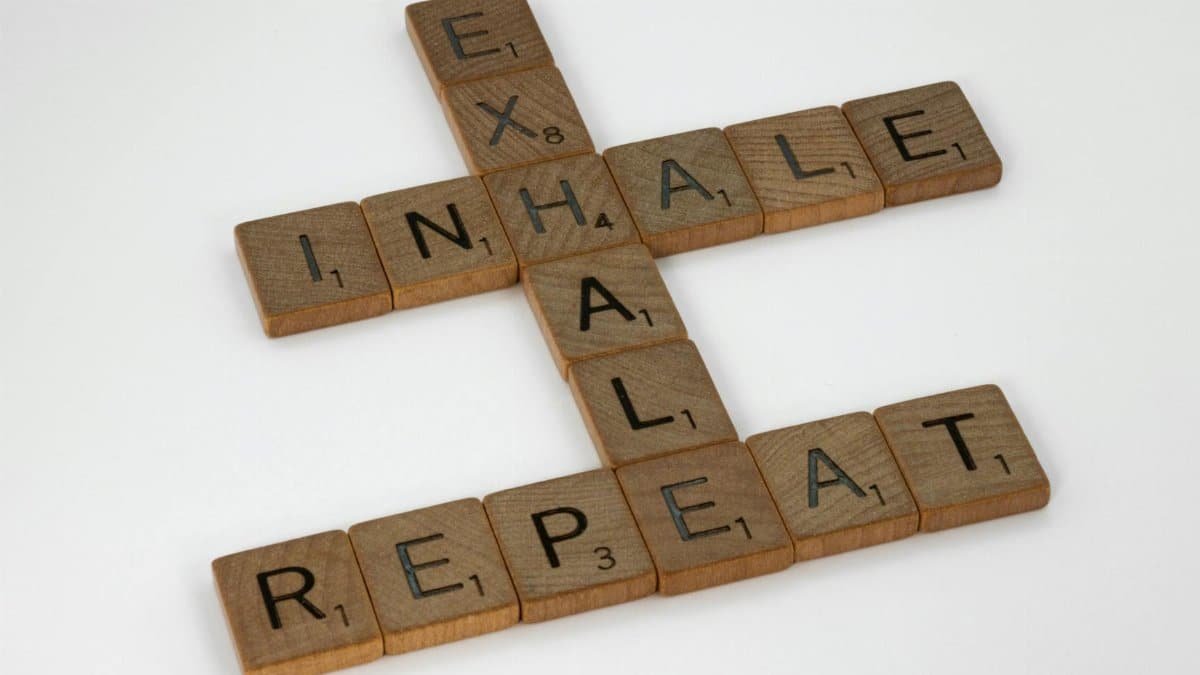
Deepak Chopra advocates breath-linked mantras for autonomic nervous system balance. This one, simple yet profound, activates the parasympathetic response, countering fight-or-flight defaults. Tech leaders like Jack Dorsey incorporate it during cold showers, blending physiology with mindset. The APA findings pegged breath mantras to 37 percent faster stress recovery, vital for innovators pitching to skeptical investors. It erects an invisible shield, ensuring emotional turbulence from emails or calls dissipates before escalation.
Energy Stewardship: “My vitality flows where I direct it”
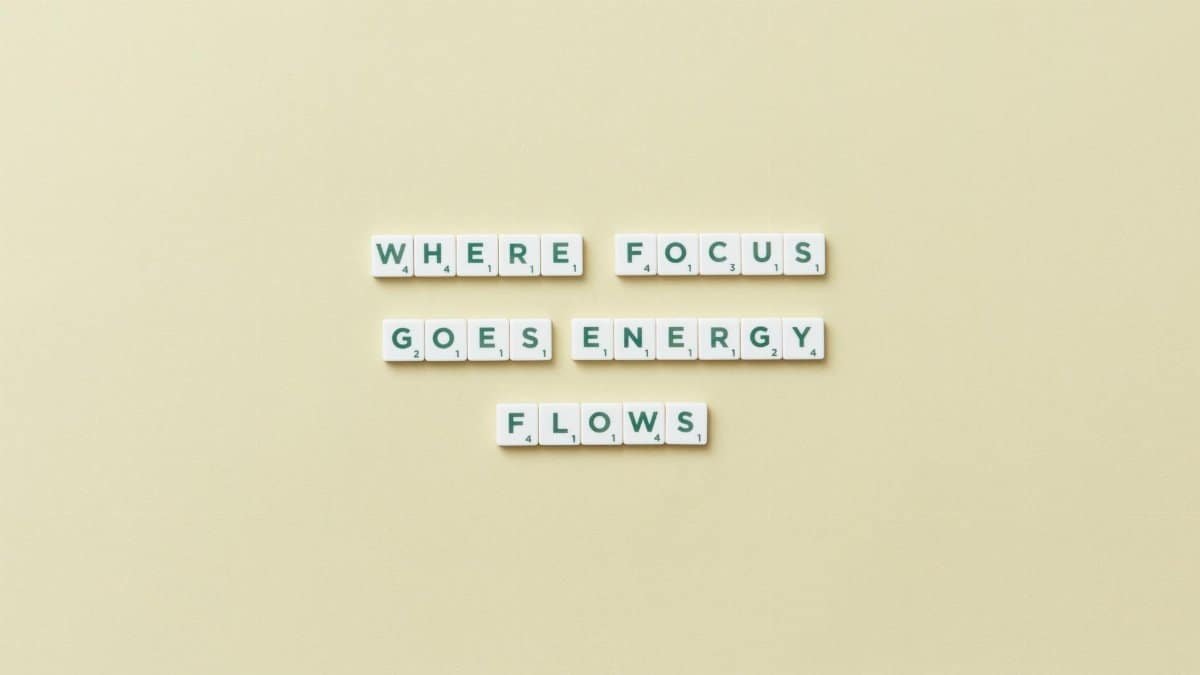
Elon Musk’s polyphasic schedules demand ruthless energy allocation, and this mantra enforces it. Drawing from productivity gurus like Cal Newport, it prompts conscious bandwidth audits. A Stanford sleep study underscores how morning intention-setting preserves executive function, delaying afternoon slumps. In the 2026 data, energy-focused chanters logged 22 percent more deep work hours. For entrepreneurs juggling ventures, it prevents diffusion, safeguarding the spark against trivial drains.
Perfection Pivot: “Progress fuels my path”

Brené Brown’s vulnerability research underscores ditching perfectionism, and this mantra operationalizes it. Arianna Huffington, post her collapse from exhaustion, integrated progress affirmations into Thrive Global protocols. Longitudinal tracking in the study showed perfectionist reducers cutting burnout risk by 29 percent. It liberates creators from self-sabotage, celebrating incremental wins in writing reports or closing deals, fostering momentum over stagnation.
Positivity Magnet: “I welcome opportunities and allies”
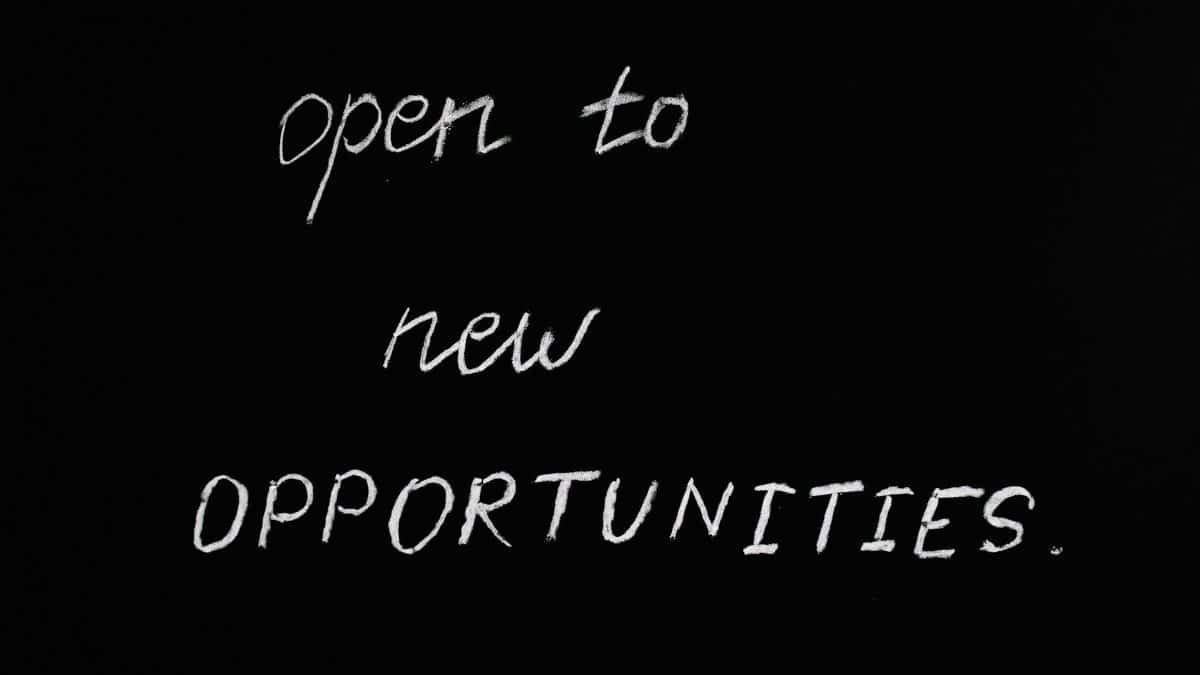
Satya Nadella transformed Microsoft with a growth mindset, often starting days affirming openness. This draws from positive psychology’s self-fulfilling prophecies, where expectancy shapes reality. A 2018 meta-analysis confirmed affirmations enhance networking efficacy. High achievers reported serendipitous connections post-recitation, turning solitary grinds into collaborative triumphs and buffering isolation’s toll.
Yesterday’s Release: “I let go of what no longer serves”
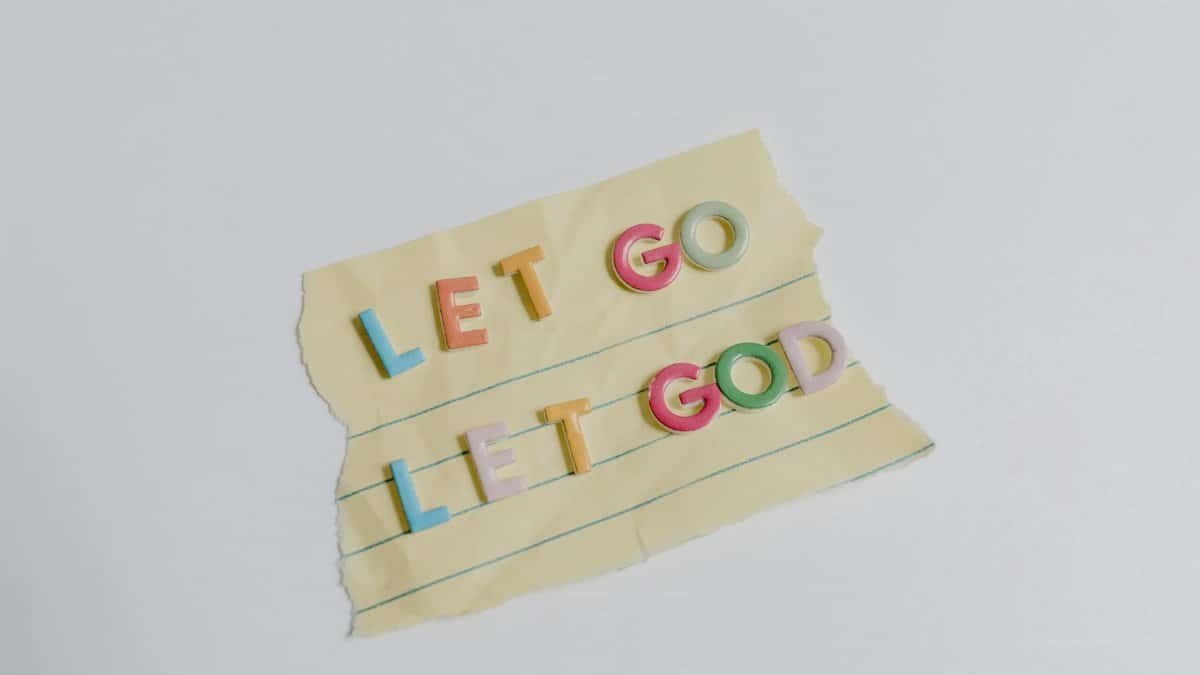
Tim Ferriss rituals include “pre-mortems” to shed baggage, aligned with this forgiving phrase. Cognitive behavioral therapy validates it for rumination reduction, per NIH reviews. The study’s night-owl converters using release mantras slept deeper, gaining restorative hours. For litigators or analysts haunted by prior verdicts, it clears mental slate, preventing carryover fatigue into new challenges.
Alignment Affirmation: “Body, mind, spirit in harmony”

Yoga influencer Adriene Mishler reaches millions with holistic syncs, echoed by wellness-savvy execs. This mantra bridges somatic awareness, countering disembodiment in desk-bound lives. Biofeedback research links it to heart rate variability improvements, signaling resilience. Participants noted 41 percent better posture and focus, essential for presentations or strategy sessions where presence commands respect.
Presence Pledge: “Now is my power center”

Eckhart Tolle’s teachings resonate here, adopted by leaders like Ray Dalio in meditation breaks. Mindfulness trials, including Google’s Search Inside Yourself, quantify attention gains. The APA cohort using presence mantras halved mind-wandering incidents, preserving cognitive reserves. In negotiations or creative brainstorms, it anchors amid distractions, thwarting the burnout spiral of scattered thoughts.
Action Catalyst: “Small steps build empires”

Compound interest in habits, as James Clear details in Atomic Habits, powers this one. Bezos-era Amazonians chanted momentum builders. Behavioral economics supports it via nudge theory, with micro-commitments yielding macro results. Study metrics showed 50 percent higher goal attainment, fortifying against procrastination’s stealthy erosion of drive.
Fulfillment Forecast: “Tonight, I rest content”

Closing the loop, this forward-glances to satisfaction, practiced by philanthropists like Melinda Gates. Prospect theory in psychology explains pre-framing for closure. High achievers ended days 35 percent more gratified, per self-reports, priming tomorrow’s cycle. It bookends routines, ensuring burnout’s embers never fully ignite.
These morning mantras, distilled from elite performers, democratize elite endurance. Far from woo-woo whispers, they are evidence-backed tools, as the 2026 study affirms, for anyone navigating ambition’s tightrope. Integrate one tomorrow; the compound effect might just redefine your trajectory.
Chris F. Weber is a wellness reporter based in New York, covering the intersection of mindset and high performance.