
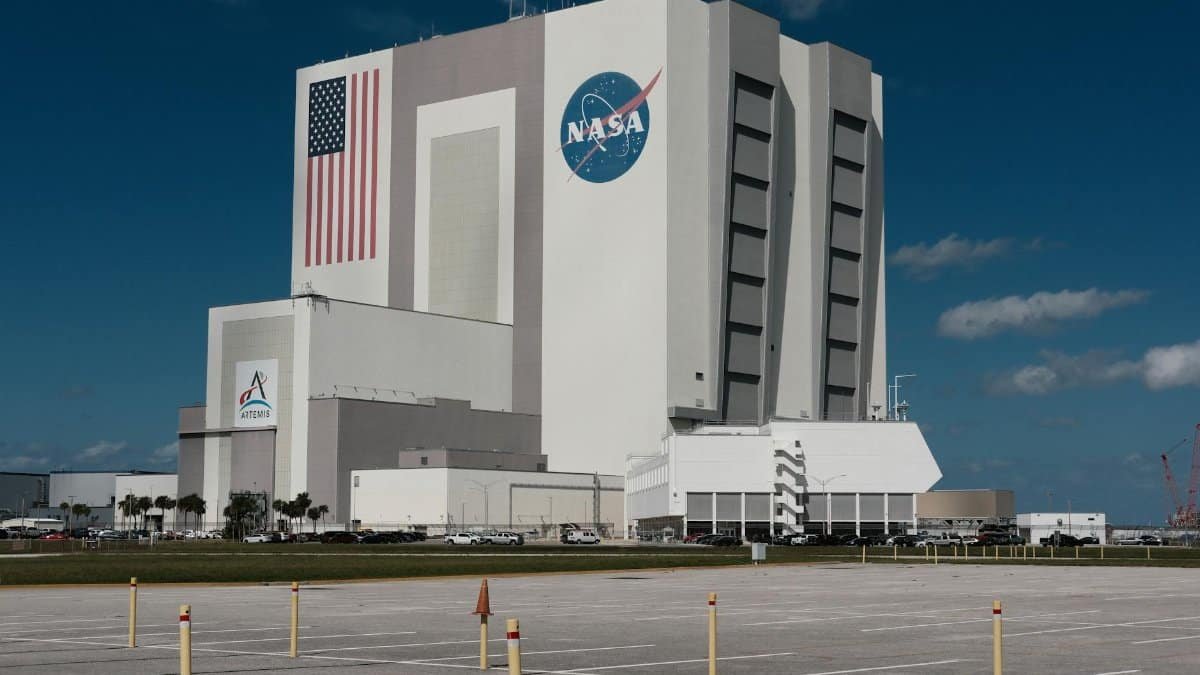
NASA’s ambitious plans to return humans to lunar orbit after more than five decades could face a significant setback. The agency has revealed a helium flow fault in the rocket designated for the Artemis II mission, potentially delaying the artemis ii launch originally targeted for March 6 from Kennedy Space Center. This issue threatens the carefully planned launch window and underscores the high stakes of the program’s next step. As the first crewed flight since Apollo 17 in 1972, Artemis II will see astronauts test the Orion spacecraft in deep space, laying crucial groundwork for future moon landings and even Mars missions amid growing international partnerships.
The Helium Fault at the Heart of the Delay

At the core of this development is a newly discovered helium flow fault within the rocket’s systems. Helium plays a critical role in pressurizing fuel lines and ensuring smooth operations during ascent, making any anomaly a serious concern for mission safety. NASA engineers have identified the issue during pre-launch checks, prompting a thorough review that could push back timelines. According to a report from Sky News, this fault has already cast uncertainty over the immediate path forward, highlighting the meticulous scrutiny required for human spaceflight.
Artemis II: Reviving Lunar Ambitions After 1972

The Artemis II mission represents a monumental milestone, marking the first time astronauts will venture into lunar orbit since the Apollo era ended in 1972. That final crewed lunar trip, Apollo 17, captivated the world with its geological discoveries and iconic imagery, but no humans have looped the moon since. Artemis II aims to reignite that legacy, sending a diverse crew on a roughly 10-day journey that tests humanity’s readiness for sustained deep-space exploration. This isn’t just a nostalgic return; it’s a deliberate step toward establishing a long-term presence beyond low-Earth orbit.
The Crew’s Pivotal Role in Orion Testing
Central to the mission’s success is the four-person crew, who will conduct vital tests aboard the Orion spacecraft. These evaluations cover everything from life support systems to navigation and reentry capabilities, ensuring Orion can safeguard astronauts during extended voyages. The hands-on assessments in lunar orbit will provide invaluable data, simulating the rigors of future missions where split-second reliability is non-negotiable. By validating these systems in real deep-space conditions, the crew paves the way for operational confidence in subsequent flights.
Launch Window Challenges from Kennedy Space Center
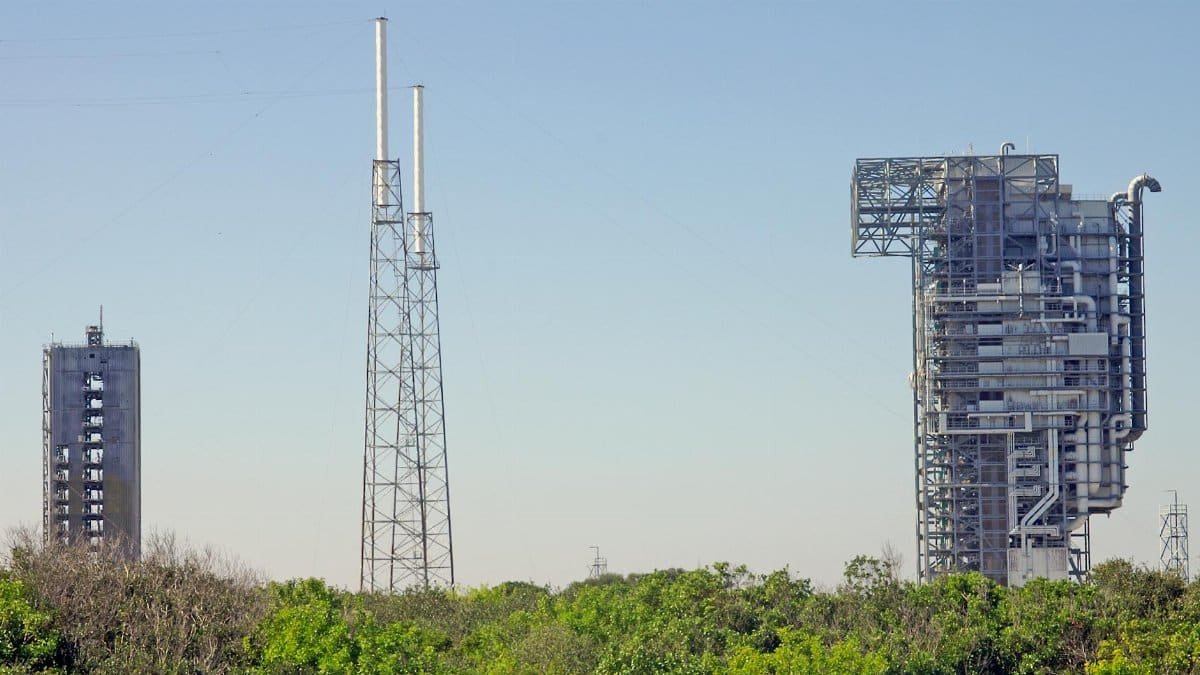
The artemis ii launch was slated for March 6 from Kennedy Space Center in Florida, a site steeped in space history with its thundering gantries and salty coastal backdrop. However, the helium fault introduces complications to this narrow launch window, determined by precise orbital mechanics and weather patterns. Delays could cascade, affecting not only Artemis II but the broader cadence of NASA’s lunar program. Engineers at the center are now racing to diagnose and resolve the issue, balancing urgency with the imperative of zero tolerance for risk in crewed launches.
Orion Spacecraft: The Workhorse for Deep Space

Orion stands as the backbone of Artemis, designed to carry humans farther than ever before on the SLS rocket. During Artemis II, the crew’s tests will push its envelope, from heat shield performance during atmospheric reentry—capable of withstanding temperatures exceeding 5,000 degrees Fahrenheit—to solar electric propulsion interfaces. These checks are non-negotiable for proving Orion’s mettle, as as reported by Sky News, the mission’s success hinges on flawless execution amid the rocket’s current hiccup.
Paving the Path to Lunar Landings

Beyond the immediate orbit, Artemis II is a crucial precursor to Artemis III, which aims for the first lunar landing since 1972, including the first woman and person of color on the moon. This progression builds a sustainable architecture for repeated visits, incorporating habitats and resource utilization drawn from decades of robotic scouting. The helium fault, while disruptive, reminds us that such ambitious infrastructure demands iterative refinement, ensuring each mission strengthens the next in humanity’s lunar comeback.
Toward Mars: Artemis as a Stepping Stone

The ripple effects extend to Mars expeditions, where Orion’s proven reliability will be foundational. NASA’s vision integrates Artemis lessons into interplanetary travel, addressing challenges like radiation exposure and long-duration life support—issues that Apollo never fully confronted. By orbiting the moon, Artemis II gathers data on these very hurdles, informing propulsion advancements and crew health protocols essential for the red planet. This forward momentum keeps Mars firmly in sight, even as today’s technical snag tests patience.
Fostering International Collaboration in Space

What elevates Artemis is its spirit of global partnership, drawing in allies like the European Space Agency and Japan for hardware contributions to Orion and Gateway station plans. The mission inspires collaborative innovation, from shared science payloads to joint training regimens, mirroring the International Space Station’s model but scaled for the moon and beyond. Amid the delay concerns, this international fabric provides resilience, uniting expertise to overcome faults like the helium issue and propel collective dreams skyward.
In the grand tapestry of space exploration, setbacks like this helium flow fault are par for the course, yet they sharpen focus on what’s at stake. As NASA navigates the artemis ii launch uncertainties, the world watches, reminded of the perseverance that turned Apollo’s bold visions into reality. The path to the moon—and Mars—remains illuminated, one rigorous test at a time.