
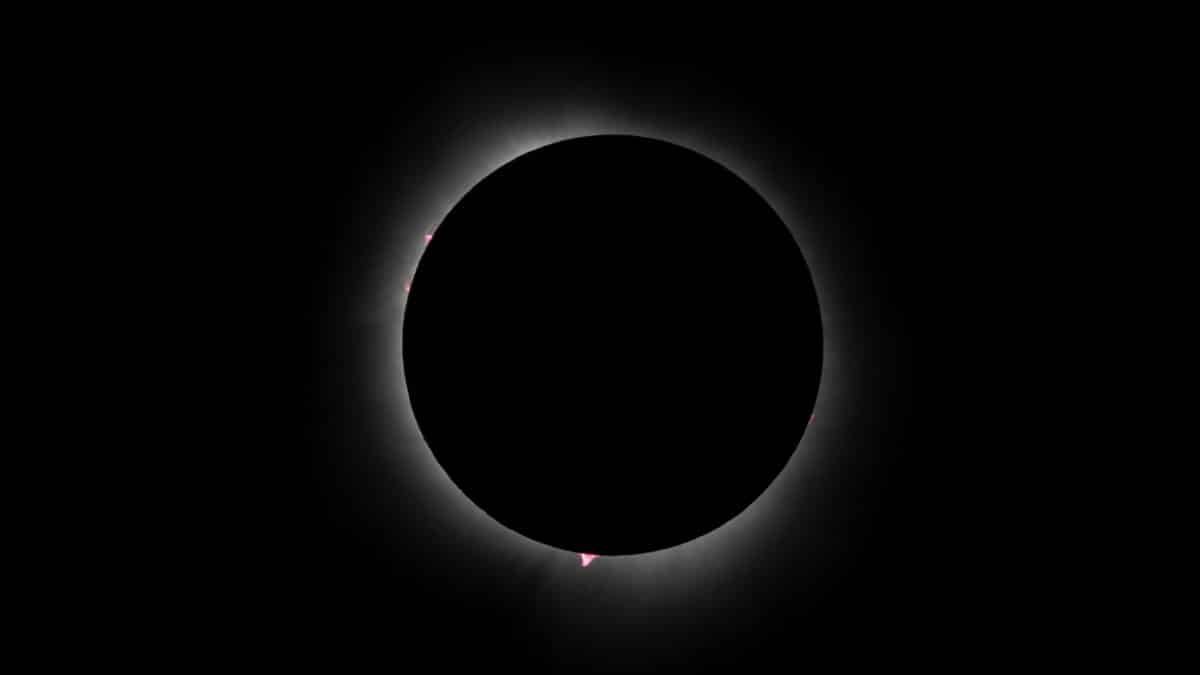
On February 17, 2026, an annular solar eclipse lit up the Antarctic skies with a breathtaking “ring of fire,” captivating observers in one of Earth’s most remote corners. This solar eclipse 2026 produced a mesmerizing glow visible primarily over the frozen continent, while partial phases reached southern South America and Africa. Scientists and dedicated enthusiasts ventured to isolated outposts to behold the phenomenon, sharing the moment with Antarctica’s wildlife, including penguins that witnessed the otherworldly light. Beyond its visual splendor, the event offered key insights into solar activity and atmospheric effects, with satellite imagery preserving its path for the world to appreciate, as reported by The Seattle Times.
The Magic of the ‘Ring of Fire’

At the heart of this solar eclipse 2026 lay the annular eclipse’s signature feature: the “ring of fire.” Unlike a total eclipse where the moon fully obscures the sun, an annular one occurs when the moon appears smaller in the sky, leaving a brilliant ring of sunlight around its silhouette. This created a glowing halo that transformed day into a surreal twilight over Antarctica, drawing gasps from those who had traveled far to see it. The effect, both haunting and beautiful, reminded viewers of nature’s precise cosmic choreography, turning the icy expanse into a stage for celestial drama.
Antarctica Takes Center Stage

Antarctica stood as the prime viewing ground for the eclipse’s full glory. The path of annularity swept across the continent’s vast, uninhabited ice fields, where clear skies often prevail despite the harsh conditions. Observers positioned themselves at research stations and remote camps, bundled against the cold, eyes fixed upward as the sun’s edges ignited into that fiery ring. The isolation amplified the event’s intimacy—no city lights to compete, just pure, unfiltered sky meeting endless white horizon. It was a rare alignment perfectly suited to this polar wilderness.
Partial Views Light Up the Southern Hemisphere
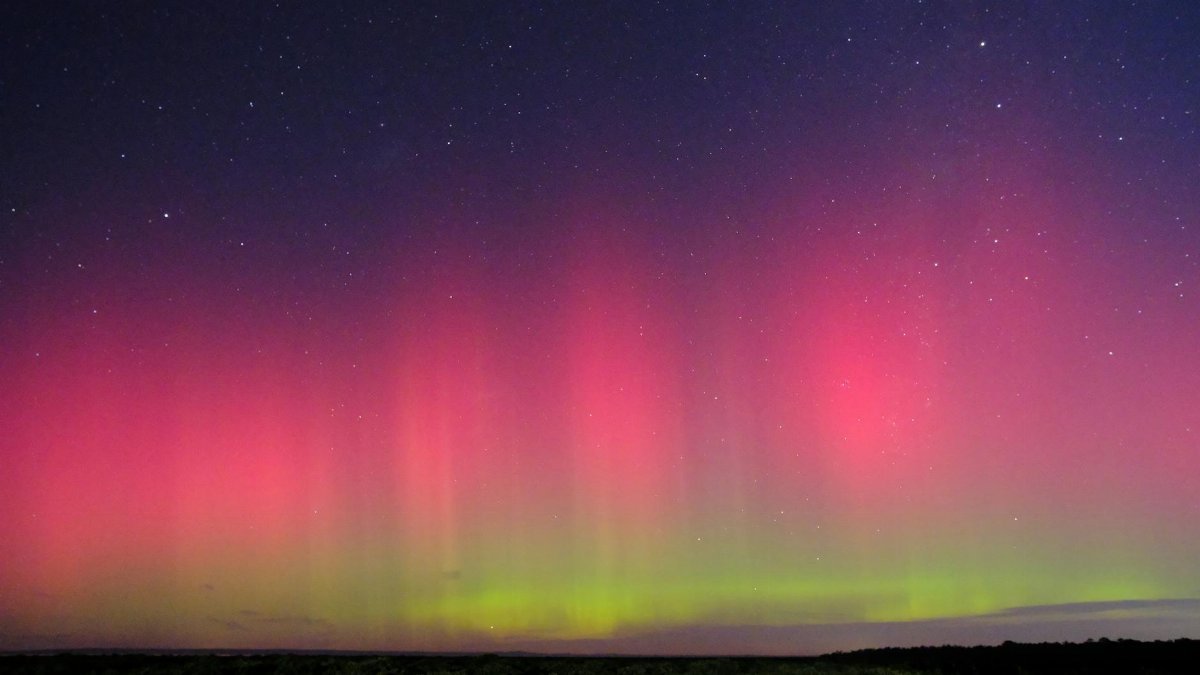
Beyond Antarctica, the solar eclipse 2026 offered teasing partial views for those in southern South America and Africa. In regions like Patagonia and the southern tips of the continent, the moon nibbled at the sun’s edge, casting subtle shadows and cooling the air momentarily. African observers farther east caught similar glimpses, where the sun appeared crescent-shaped against the midday sky. These peripheral sightings sparked local excitement, connecting distant populations to the main spectacle and underscoring the eclipse’s broad reach across the globe’s underbelly.
Braving the Cold: Scientists and Enthusiasts Converge

The allure of this rare event pulled scientists and skywatching enthusiasts to Antarctica’s most inaccessible spots. Equipped with specialized gear, they endured blizzards and subzero temperatures, setting up telescopes and cameras in advance. For researchers, it was more than a sight—it was a window into solar dynamics. Enthusiasts, driven by passion, joined these expeditions, forming temporary communities bonded by the shared anticipation. Their presence turned rugged field sites into buzzing hubs of observation, where every minute of the eclipse unfolded with heightened purpose.
Penguins and People in Awe
In a whimsical twist, Antarctica’s penguins became unwitting co-stars of the solar eclipse 2026. As the ring of fire emerged, colonies of these resilient birds paused their waddling routines, gazing skyward alongside human observers. People stationed nearby described the scene as magical—feathered locals silhouetted against the glowing ring, seemingly as entranced as their visitors. This intersection of wildlife and wonder highlighted the eclipse’s universal appeal, bridging the gap between human curiosity and the natural world in a moment frozen in time.
Harvesting Data on Solar Activity

Beneath the spectacle, the eclipse delivered valuable data on solar activity. With the sun’s disk partially revealed, instruments captured fluctuations in its energy output, offering clues to ongoing solar cycles. Such observations help track phenomena like solar flares, which influence space weather and Earth’s magnetic field. Blended seamlessly into the event’s narrative, these measurements from Antarctic outposts enriched our understanding of the sun’s behavior, proving that even in remoteness, science thrives amid the glow.
Atmospheric Effects Come into View
The solar eclipse 2026 also illuminated atmospheric effects unique to Earth’s edge-of-space interactions. As sunlight filtered through the upper layers, researchers noted shifts in temperature and light scattering, influenced by the polar vortex and ozone layers overhead. These insights, gathered during the annularity, revealed how eclipses momentarily alter local climates, providing a natural laboratory for studying air dynamics. The data underscored the phenomenon’s role in probing the invisible forces shaping our planet’s breathable envelope.
Satellite Eyes Capture the Global Path
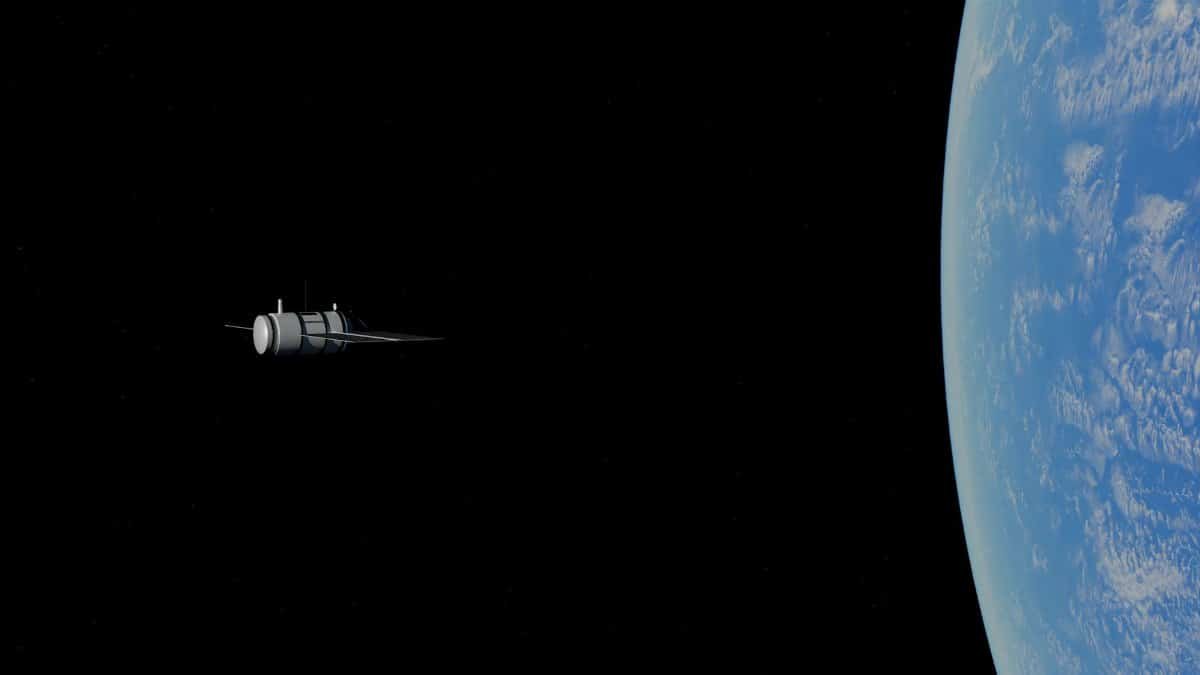
From orbit, satellites traced the eclipse’s path with stunning precision, turning the event into a shared global experience. Imagery showed the shadow’s sweep from Antarctica outward, the ring of fire pulsing like a cosmic beacon. This visual record not only documented the solar eclipse 2026 for posterity but also heightened worldwide appreciation, allowing armchair astronomers everywhere to marvel at the scale. In doing so, it democratized the wonder, ensuring the Antarctic spectacle resonated far beyond the ice.