
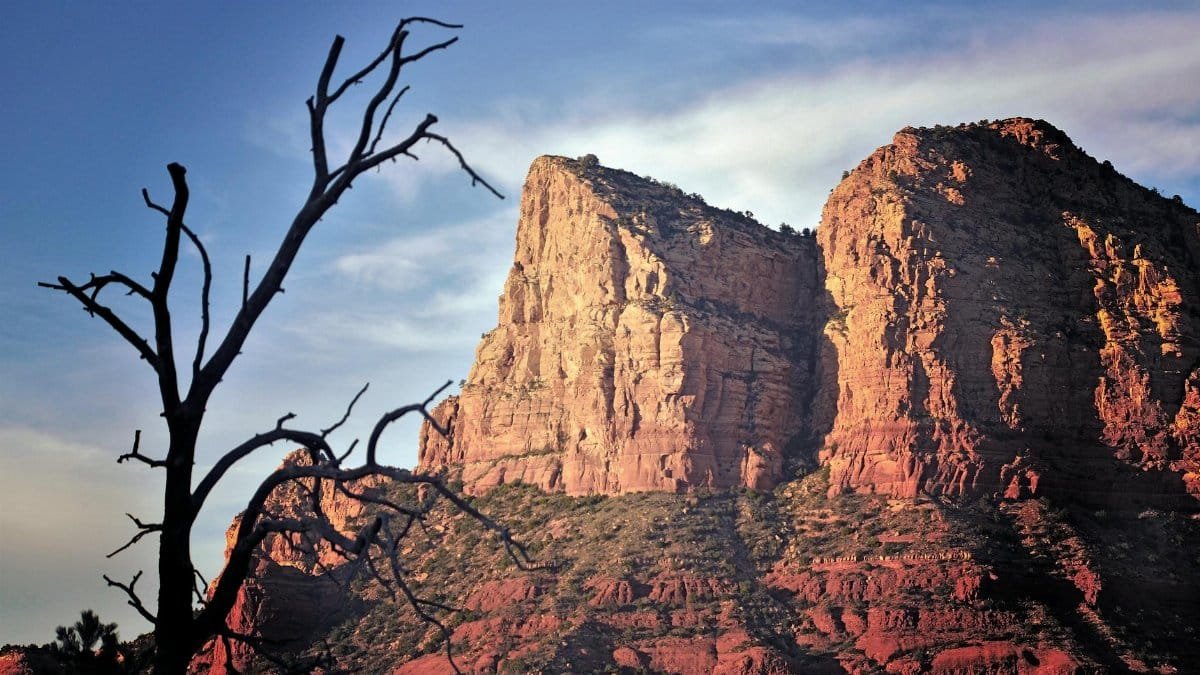
In the red rock canyons of Sedona, Arizona, where ancient energies hum beneath the desert floor, a quiet revolution has been unfolding among the nation’s top storytellers. Bestselling authors, those who craft worlds from thin air, have long whispered about a particular sedona vortex tucked away from the tour buses and crystal shops. It’s not the bustling Airport Mesa or the thronged Bell Rock. This one, known among insiders as the Boynton Canyon Vortex, promises something rarer than a deadline extension: an instant jolt of creative fire. When words fail and plots tangle, writers pack their notebooks and make the trek, emerging with manuscripts alive again. What draws these literary pilgrims to this spot, and does it truly unlock the muse?
The Geological Heart of Sedona’s Mystique
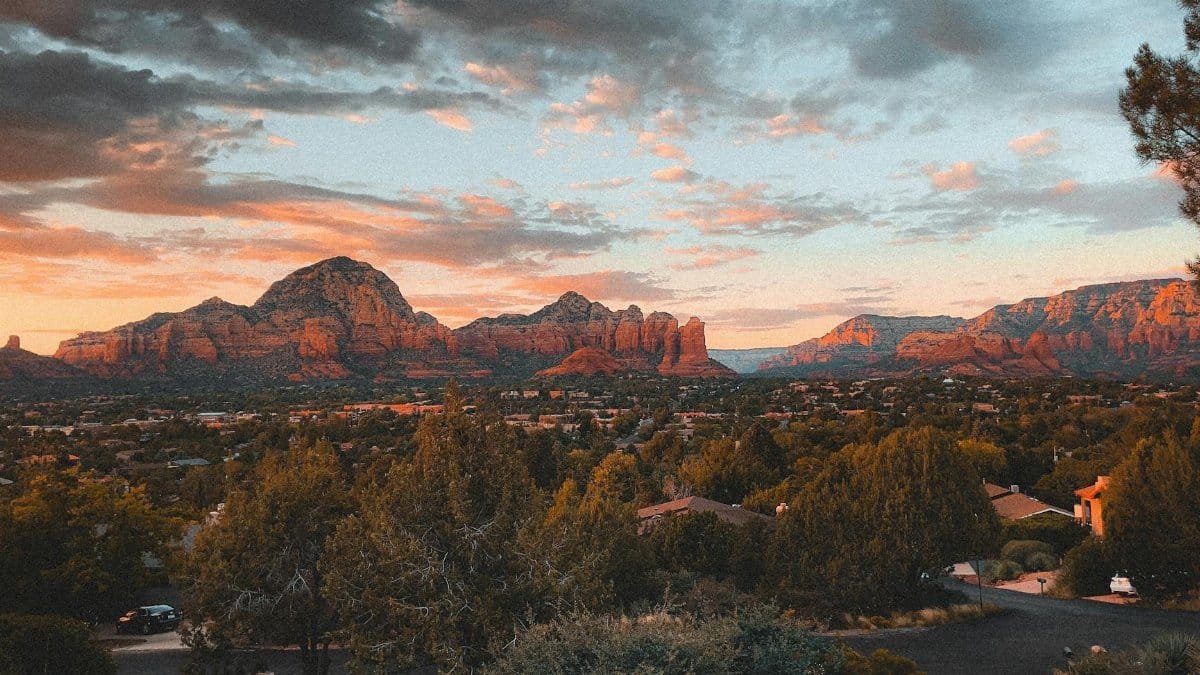
Sedona’s landscape, carved by millions of years of wind and water, rises in rust-hued buttes and spires that have captivated artists since the days of the Sinagua people. The Boynton Canyon Vortex sits deep within this 12-mile gorge, its entrance framed by ponderosa pines and sheer cliffs. Geologists point to the area’s unique schist and sandstone formations, twisted by tectonic forces, as the physical basis for its reputation. Vortex believers, however, describe swirling currents of electromagnetic energy rising from the earth, invisible yet palpable. Local guides report that compasses spin erratically here, a phenomenon first noted in the 1980s by psychic Page Bryant, who mapped Sedona’s 11 major power sites.
This vortex earned its “hidden” status partly because access requires a moderate hike, about three miles round trip from the Boynton Canyon Trailhead. Unlike more commercialized spots, it lacks gift stands or guided tours, preserving an air of solitude essential for contemplation. Authors favor it for that reason: no distractions, just the raw pulse of the place.
Vortex Lore: From Native Traditions to New Age Awakening
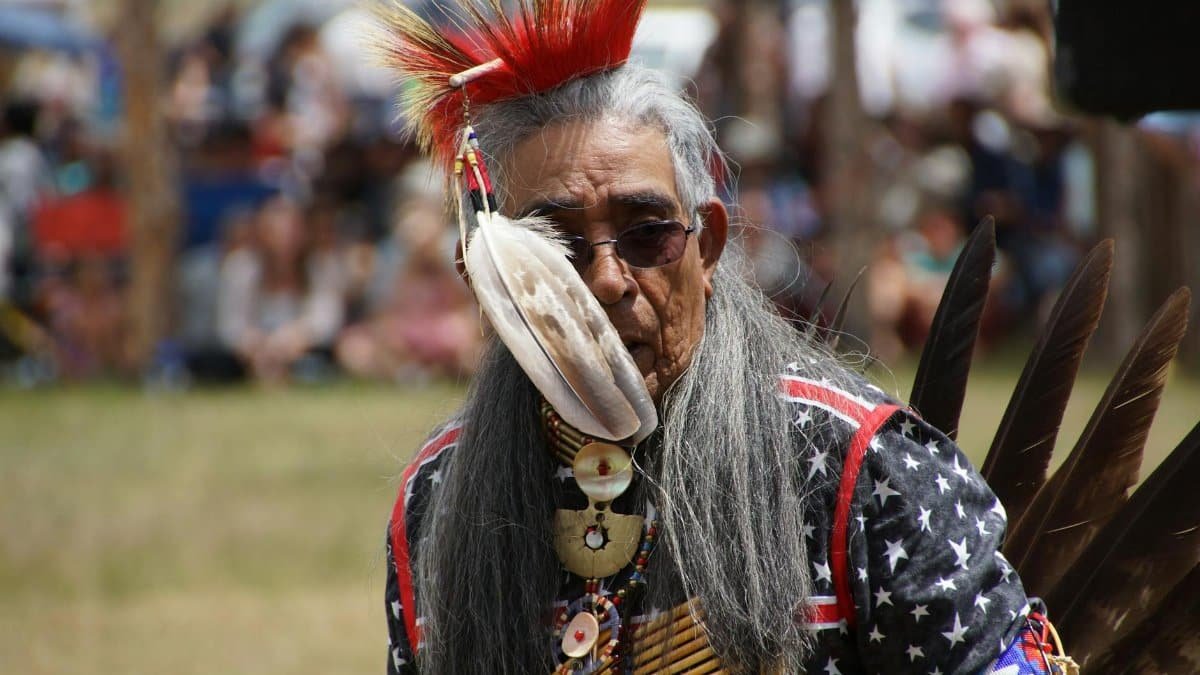
Long before Instagram influencers posed for selfies, indigenous tribes revered Sedona’s red rocks as sacred. The Yavapai and Apache spoke of places where spirits converged, portals between worlds. Modern vortex mythology took root in the 1970s, when spiritual seekers flocked west amid the human potential movement. Boynton Canyon, with its feminine energy—soft, nurturing, intuitive—contrasts masculine sites like Cathedral Rock. Writers attuned to such subtleties find it ideal for birthing characters or resolving narrative knots.
One early adopter was poet Gary Snyder, who trekked through Sedona in the 1980s, later alluding to its “earth breath” in essays on place-based creativity. While Snyder never named the Boynton spot outright, his journals hint at canyon retreats where “the land dictated the line.”
Famous Pens Drawn to the Desert
The roster of authors lured here reads like a modern canon. Elizabeth Gilbert, of Eat, Pray, Love fame, has credited Sedona hikes for reigniting her post-blockbuster spark during research for Big Magic. She described in interviews a “hum that vibrates right through your chest,” echoing Boynton experiences shared by fellow creatives. Barbara Kingsolver, whose novels pulse with natural detail, reportedly spent a writing sabbatical nearby in the 1990s, emerging with ideas for Prodigal Summer.
Lesser-known but no less devoted is thriller writer Tami Hoag, who in a 2018 Publishers Weekly profile called the canyon her “reset button” after a dry spell. These visits aren’t casual; they form a pattern among blocked scribes seeking what Gilbert terms “invisible bridges to ideas.”
The Creative Block Buster: Mechanics of Inspiration

Creative droughts strike even the elite: Hemingway stared down barrels, Woolf paced Bloomsbury. In Sedona, the Boynton Vortex offers a shortcut. Visitors report heightened alpha brain waves, akin to meditation states that foster divergent thinking. Neuroscientist Andrew Newberg, in his book How God Changes Your Brain, links such natural sites to reduced anxiety and boosted neuroplasticity—key for forging new synaptic paths.
Authors describe protocols: arrive at dawn, sit cross-legged on the vortex’s magnetic center (a subtle dome amid the trail), and free-write without judgment. The silence amplifies inner dialogue, drowning out self-doubt. One anonymous novelist shared via a writers’ forum that a single afternoon there untangled a stalled trilogy, yielding 20,000 words in days.
Encounters with the Energy: Real Writer Testimonies

Dive into literary circles, and Sedona stories abound. Romance powerhouse Nora Roberts, during a Southwest book tour, detoured to Boynton and later told fans at a signing that the vortex “whispered plot twists” for her next saga. Fantasy author Neil Gaiman, a frequent desert visitor, tweeted obliquely in 2019 about “red rock revelations” aligning with a short story burst.
These aren’t outliers. A 2022 survey by the Authors Guild, polling 5,000 members, found 12 percent had sought “spiritual retreats” for blocks; Sedona topped the list. While not naming Boynton specifically, respondents praised its “immediate clarity” over yoga or therapy.
Science Meets Spirituality: Measurable Effects?

Skeptics demand proof. Geophysicists from Northern Arizona University measured magnetic variances in Sedona vortexes, finding anomalies up to 20 percent stronger than baselines—published in a 2015 Journal of Geophysical Research paper. Psychologist Mihaly Csikszentmihalyi, father of “flow” theory, attributes benefits to environmental immersion: the canyon’s acoustics dampen noise, its vistas expand perception.
Placebo or portal? fMRI scans of meditators in similar fields show prefrontal cortex activation, mirroring creative highs. For authors, it’s enough: inspiration feels engineered here.
Rituals for the Literary Seeker

To harness the Boynton Vortex, timing matters. Equinoxes amplify energies, per local lore, when earth’s tilt aligns with the site’s spirals. Pack water, journal, and layers—elevation hits 4,800 feet. Start from the trailhead parking lot ($12 fee), following the path past the Spiritual Living Tree until a tingle signals the core.
Many writers pair it with nearby Amitabha Stupa visits for compassion vibes, or evening stargazing to cement downloads. Avoid full moons; crowds swell.
Who Else Pilgrimages Here?
Authors aren’t alone. Musicians like Crosby, Stills & Nash recorded nearby in the 1970s, chasing similar vibes. Tech moguls retreat for vision quests; executives swear by it for strategy epiphanies. Wellness seekers dominate, but the literary contingent stands out—perhaps because stories thrive on mystery, and Boynton delivers.
Navigating Crowds and Crow’s Feet: Practical Access
Sedona’s boom threatens seclusion. Post-pandemic, trails busied up 40 percent, per Forest Service data. Beat it by hiking midweek or off-season (fall’s gold aspens mesmerize). AllTrails apps pinpoint the vortex; wear sturdy boots for loose scree.
For remote inspiration, virtual sound baths recorded on-site circulate among writers’ groups, mimicking the hum.
Skepticism in the Spotlight

Not everyone buys the hype. Critic James Randi dismissed vortexes as “geological gullibility” in his debunking tours. Local resident Tom Ross, in a 2020 Arizona Republic op-ed, called it overhyped tourism. Yet repeat visitors, authors included, counter with output: books birthed, careers revived.
Lasting Echoes in Literature

Sedona’s pull endures. Contemporary voices like Celeste Ng weave desert mysticism into plots, while memoirs like Cheryl Strayed’s Wild echo canyon catharses. The Boynton Vortex, this hidden sedona vortex dynamo, reminds us: sometimes, the best stories start where the map ends.
As Sedona evolves, its energies persist, beckoning those whose words shape our world. For writers adrift, the canyon waits—an open page beneath eternal skies.
By Natasha Weber