
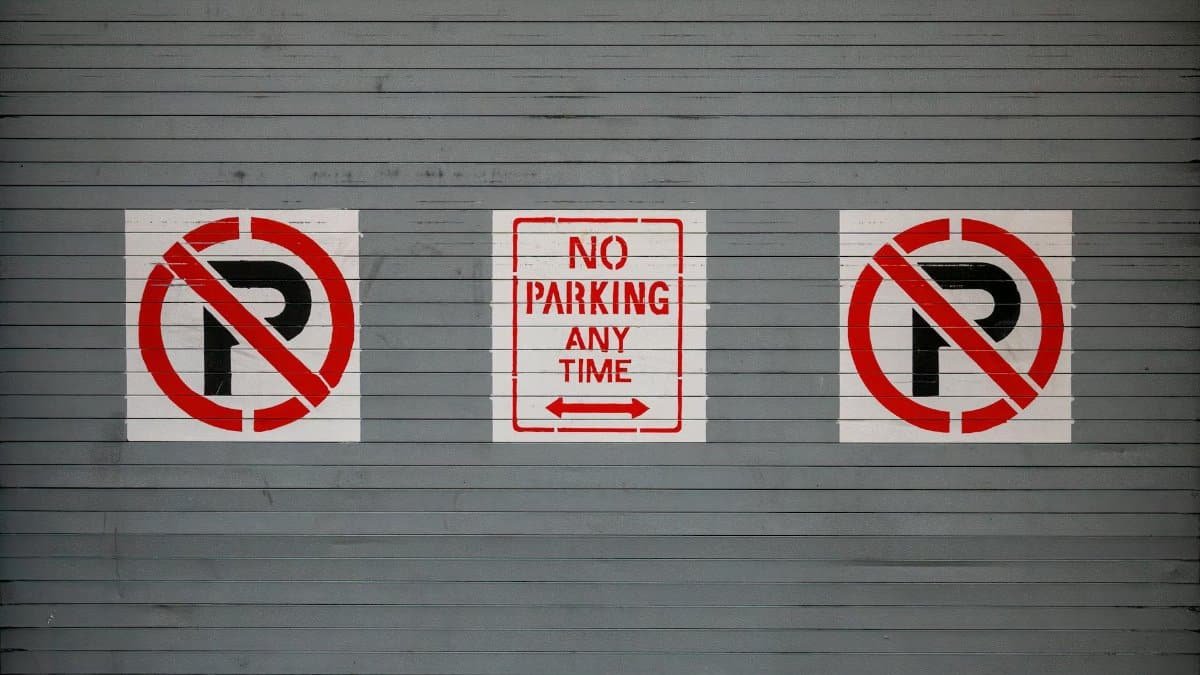
In a move to boost pedestrian and cyclist safety, California has enacted a new law that curbs parking near crosswalks in residential neighborhoods. Dubbed the California daylighting law, the measure mandates clearing 20 feet of curb space on either side of crosswalks, ensuring drivers, walkers, and bike riders enjoy unobstructed sightlines. This daylighting approach—named for “illuminating” potential hazards—aims to prevent the hidden dangers posed by parked vehicles. As California joins more than 40 other states with similar visibility mandates, local authorities are easing into compliance with education campaigns before rolling out tickets. According to a civic alert from the city of Anaheim, this proactive stance helps residents adapt smoothly.
What Daylighting Means for Neighborhood Streets

Daylighting crosswalks transforms quiet residential blocks into safer passages. By prohibiting parking within 20 feet of a crosswalk, the law strips away the visual barriers that cars create. Imagine a parent with a stroller or a child on a bike emerging from behind a parked SUV—no longer invisible to turning motorists. This simple reconfiguration prioritizes clear lines of sight, a principle long embraced elsewhere but now firmly rooted in California policy. The term “daylighting” evokes the idea of flooding intersections with visibility, much like sunlight piercing through fog, making every approach predictable and every movement seen.
The Core Requirements of the Law

At its heart, the legislation targets curbside parking in residential areas, specifically around crosswalks. Drivers must now steer clear of that 20-foot buffer zone, measured from the crosswalk’s edges. This applies broadly across the state, reshaping habits in suburbs and urban enclaves alike. Enforcement won’t rush in blindly; instead, cities are prioritizing awareness. As reported by Anaheim officials, the initial phase focuses on signage, notifications, and community outreach to familiarize drivers with the rules before citations become the norm.
Why Visibility is a Game-Changer for Safety

Parked cars have long been silent accomplices in street accidents, blocking views at the precise spots where collisions brew. The California daylighting law addresses this head-on by mandating open space that lets eyes meet across the intersection. Pedestrians stepping off the curb gain precious seconds to gauge oncoming traffic, while drivers spot vulnerable road users sooner. Cyclists, too, benefit from this expanded panorama, dodging the blind spots that once concealed them. It’s a low-tech fix with high impact, turning potential tragedy zones into zones of caution.
California Joins a National Safety Wave

California isn’t pioneering alone—it’s catching up to a chorus of over 40 states already enforcing daylighting or akin visibility rules. From bustling East Coast cities to Midwest towns, these policies have proven their worth in reducing mishaps at crossings. Now, with the Golden State’s adoption, a critical mass builds momentum. Residential neighborhoods, often dense with families and foot traffic, stand to gain the most. This alignment underscores a shared commitment: safer streets aren’t a luxury but a baseline for communities nationwide.
Educational Rollout: Easing the Transition

Smart policy pairs rules with preparation, and that’s exactly the playbook local cities are following. Before fines flow, expect a wave of educational efforts—think yard signs, mailbox flyers, and social media blasts detailing the 20-foot no-park zone. Anaheim’s approach exemplifies this: inform first, enforce later. Residents get time to remap their parking routines, scouting alternative spots without the sting of surprise tickets. This grace period acknowledges the disruption while building buy-in, ensuring the law lands as a safety ally rather than a bureaucratic hurdle.
Boosting Protection for Pedestrians and Cyclists
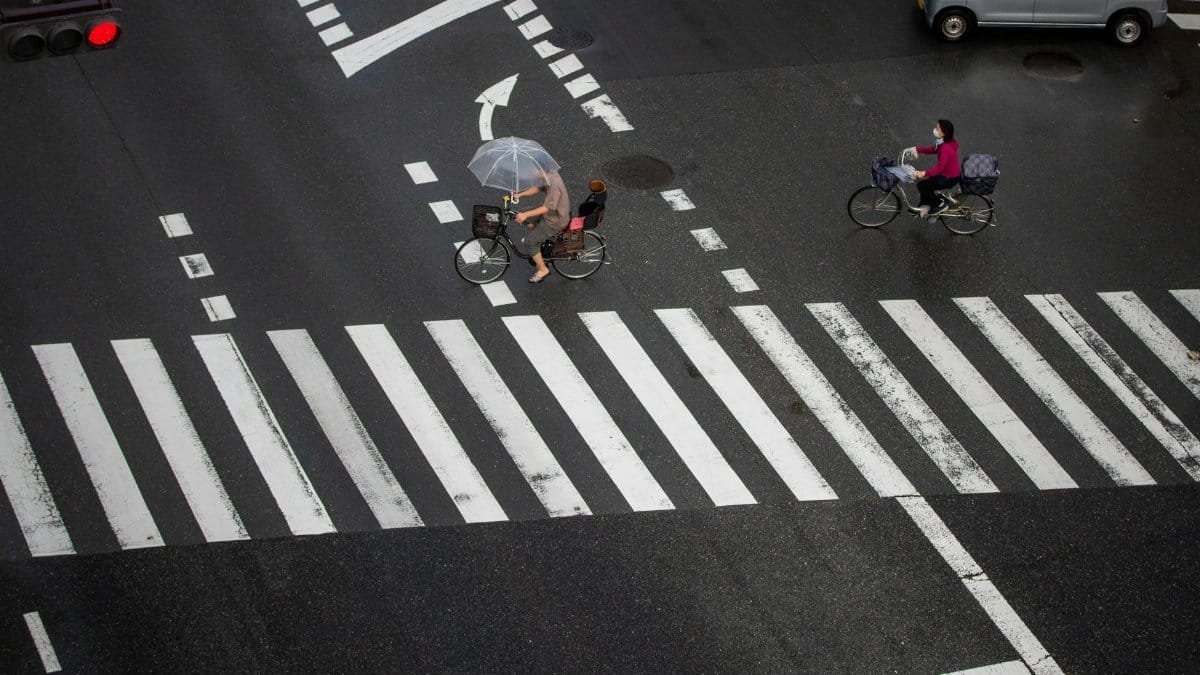
Walkers and wheelers are the undeniable winners here. The cleared curb space illuminates their paths, slashing the risk of being sideswiped by oblivious drivers. In residential settings, where kids dart out and seniors stroll deliberately, these gains multiply. Brief insights from traffic safety research, such as those from the National Highway Traffic Safety Administration, reinforce how obstructed views fuel a notable share of pedestrian incidents—precisely the vulnerabilities this law targets. By daylighting crosswalks, California fosters streets where every user feels seen and secure.
Navigating the Changes in Daily Life
For drivers accustomed to hugging curbs near home, adjustment calls for a mental shift. That favored spot by the driveway? Off-limits if it’s within 20 feet of a crosswalk. Parallel parking pros might need to prowl a block farther, but the trade-off is communal safety. Cities’ educational push smooths this recalibration, with clear markings soon to delineate no-go zones. Over time, these habits could redefine neighborhood aesthetics—fewer cars lining every inch of curb, more green space breathing amid the pavement.
Looking Ahead: Enforcement and Lasting Impact

As the educational honeymoon fades, strict citations will underscore compliance. Yet the real story lies in the ripple effects: fewer fender-benders, empowered pedestrians, and neighborhoods where daylighting lives up to its name. California’s embrace of this law, alongside dozens of peer states, signals a maturing approach to urban mobility. Local leaders, per Anaheim’s guidance, are betting on voluntary adherence first, but the framework is set for enduring change. In the end, clearer views promise not just safer crossings, but streets that truly serve everyone.