

In a display of Nordic supremacy, Norway shattered records at the winter olympics 2026 in Milano Cortina, clinching 18 gold medals and a staggering total of 41 medals. This historic haul not only topped the medal table but underscored a philosophy that’s reshaping global sports: making athletics fun and accessible for kids, steering clear of the pitfalls of early specialization. As the Games drew to a close on February 22 in Verona, Norway’s dominance in cross-country skiing, led by superstar Johannes Høsflot Klæbo’s six golds, left the world taking notes. The United States and other nations also notched records of their own, but it was Norway’s blueprint for sustainable success that stole the spotlight, as reported by The Guardian.
Norway’s Unprecedented Medal Surge

Norway’s performance at the winter olympics 2026 wasn’t just dominant—it was transformative. With 18 golds and 41 medals overall, the nation eclipsed previous benchmarks, cementing its status as the preeminent force in winter sports. This wasn’t a fluke of weather or luck; it stemmed from a deeply ingrained national ethos where winter pursuits are woven into everyday life. Cross-country skiing emerged as the cornerstone of their triumph, a discipline where Norwegians have long excelled due to vast snowy landscapes and a culture that prioritizes endurance over intensity from the start.
The numbers tell a story of consistency and depth. Every gold felt earned through a team effort that spanned disciplines, but the sheer volume highlighted Norway’s unrivaled pipeline of talent. Breaking records that had stood for years, they reminded competitors that true excellence comes from broad participation rather than narrow focus.
Klæbo’s Golden Masterclass in Cross-Country
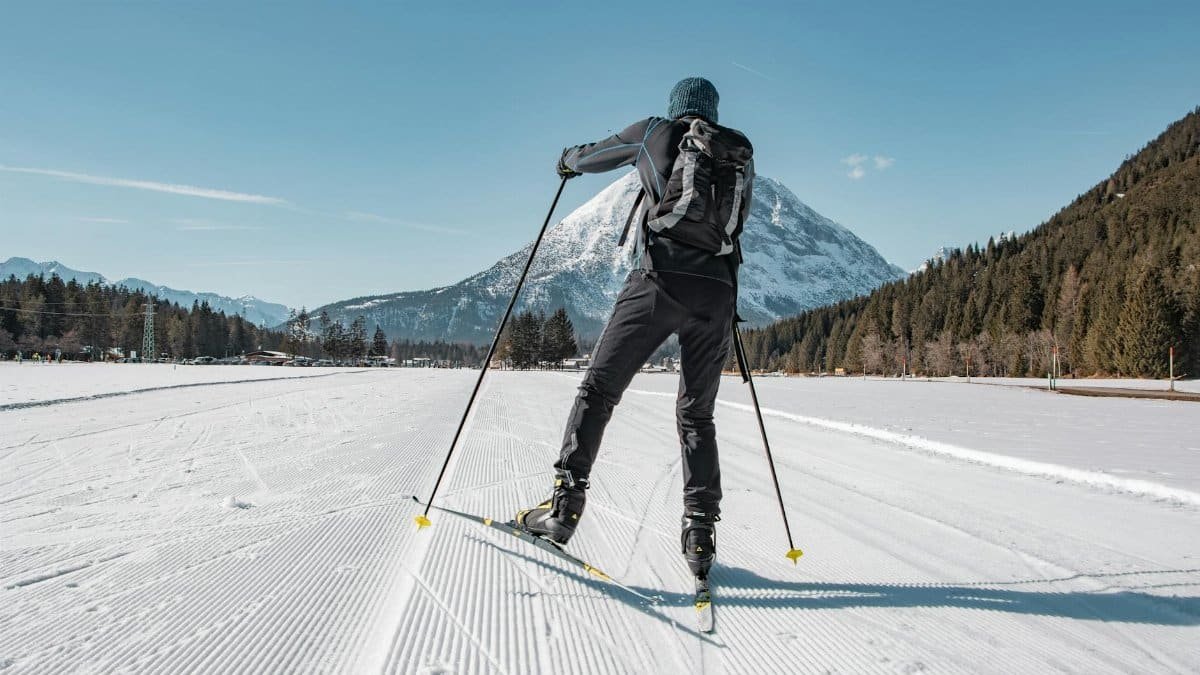
At the heart of Norway’s medal rush stood Johannes Høsflot Klæbo, whose six gold medals in cross-country skiing turned heads and rewrote record books. Klæbo’s versatility shone through grueling races, where his tactical prowess and raw power propelled him to victory after victory. His achievements weren’t isolated; they amplified a national strength in the sport, where Norway’s 18 golds overall reflected a squad firing on all cylinders.
Klæbo’s success embodies the Norwegian way: training that builds lifelong passion rather than burnout. Watching him glide to yet another podium finish, one couldn’t help but see the fruits of a system that nurtures joy alongside skill, making the winter olympics 2026 a showcase for his personal brilliance and his country’s collective might.
The Norwegian Model: Fun Over Specialization
What sets Norway apart is its approach to youth sports, emphasizing fun and accessibility to keep children engaged without the pressure of early specialization. This philosophy shone brightly at the winter olympics 2026, where athletes like Klæbo arrived battle-tested yet unscarred by overzealous training regimens. By encouraging kids to sample various winter activities—skiing, skating, biathlon—Norway fosters well-rounded athletes who stay in the game longer.
Research from the British Journal of Sports Medicine supports this, showing that early specialization correlates with higher dropout rates and injuries among young athletes, while diversified training builds resilience and enjoyment. Norway’s results prove it: a nation where sports feel like play, yielding Olympians who perform when it counts most.
Breaking Down the Medal Table Dominance

Norway’s 41 total medals weren’t just a tally; they represented a clean sweep across events, with cross-country providing the bulk of the golds. This depth ensured no weak links, as teams rotated seamlessly through relays and individuals. The 18 golds alone broke historical records, surpassing even their own storied pasts at prior Games.
It’s a testament to investment in infrastructure and coaching that prioritizes holistic development. As the medals piled up, Norway sent a clear message: sustainable systems outperform pressure-cooker programs every time.
United States and Global Records in the Mix

While Norway owned the top spot, the United States and other powerhouses weren’t far behind, setting their own records amid the competition. American athletes pushed boundaries in skating and alpine events, claiming hauls that marked new highs for their federations. This global chase elevated the winter olympics 2026, turning Milano Cortina into a cauldron of innovation and grit.
Yet, even as rivals celebrated personal bests, Norway’s shadow loomed large, their totals dwarfing the field and prompting introspection worldwide about talent pathways.
A Closing Spectacle in Verona

The winter olympics 2026 reached its emotional crescendo on February 22 in Verona, with a closing ceremony that blended Italian flair and Olympic tradition. Athletes from 90-plus nations paraded under twinkling lights, reflecting on two weeks of triumphs and trials. Norway’s flag flew highest, their medalists beaming amid fireworks that lit the ancient arena.
This finale capped a Games defined by records and revelations, leaving Verona’s historic backdrop forever linked to Norway’s golden era.
Lessons for the World from Norway’s Triumph
Norway’s winter olympics 2026 masterclass offers a blueprint for nations grappling with youth sports retention. By making activities fun and avoiding early specialization, they’ve created a conveyor belt of talent that peaks at the highest levels. Klæbo’s six golds are the poster child, but the real win is cultural: kids on skis because they love it, not because they’re funneled into one path.
As other countries eye their own records—like the U.S. achievements—Norway’s message resonates: prioritize joy, and the medals will follow. A Journal of Sports Sciences analysis echoes this, noting diversified early training leads to superior long-term performance and mental health in elite athletes.
Why Norway’s Approach Resonates Globally

Beyond the stats, Norway’s success at the winter olympics 2026 humanizes elite sport. In a world of prodigies burning out young, their model—rooted in community tracks and family outings—feels refreshingly attainable. Cross-country’s prominence underscores geography’s role, but the philosophy transcends borders: accessibility breeds champions.
With 41 medals in hand, Norway didn’t just win; they redefined victory, proving that when sport stays fun, everyone—from Verona’s closing stage to backyards worldwide—wins too.