

In the quiet expanse of southwestern Minnesota, where prairie winds whisper through tall grasses, a visitor pauses at the edge of a crimson quarry. The earth here parts like a wound, revealing layers of red stone that have drawn indigenous peoples for centuries. This is Pipestone National Monument, a place where the spiritual and the geological converge in profound silence. For the Dakota and other tribes, the catlinite quarried from these pits—known as pipestone—holds sacred power, carved into pipes that carry prayers to the Creator. Today, amid modern trails and interpretive centers, the site endures as a testament to resilience, inviting reflection on America’s layered spiritual heritage.
The Ancient Quarry’s Enduring Call
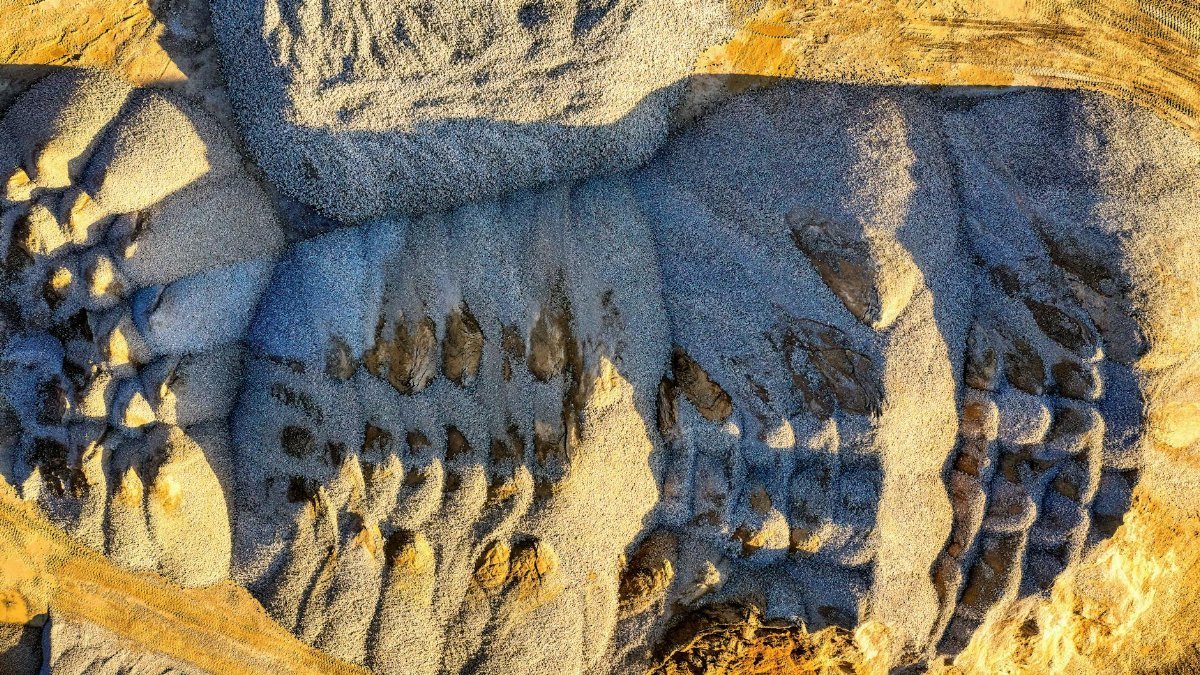
Deep within Pipestone National Monument lie the quarries, hand-dug pits that descend dozens of feet into the earth. Workers, often descendants of the original Yankton Dakota who signed treaties granting federal protection in 1937, still extract the stone using traditional methods: wedges, hammers, and muscle. No machinery mars this process, preserving a ritual that dates back at least 3,000 years. Archaeologists have unearthed pipe fragments from the Late Woodland period, suggesting the site’s role as a pilgrimage center long before European contact.
The monument’s 1,500 acres encompass not just the quarries but a circle of quartzite outcrops that frame them like natural cathedrals. Oral histories from elders describe how the Great Spirit placed the red stone here as a gift, its hue symbolizing life’s blood. Visitors today can witness licensed carvers at work in the on-site studio, their chisels echoing the past.
Pipestone and the Sacred Pipe Tradition

Central to the monument’s spiritual weight is the chanunpa, the sacred pipe. Fashioning it from pipestone is no casual craft; it requires spiritual preparation, fasting, and ceremonies led by pipe carriers. The pipe bowl, soft enough to carve when wet but hardening like iron upon drying, embodies interconnectedness—stem from wood, bowl from earth, tobacco as offering.
Dakota lore holds that the pipestone monument emerged from a great flood, when the people were turned to stone and later redeemed, their blood forming the quarries. This narrative underscores themes of sacrifice and renewal, themes that resonate in contemporary Native ceremonies. Tribal members from across the Plains Nations visit annually, reinforcing the site’s status as a living spiritual hub.
A Clash of Cultures and Preservation Efforts

European explorers first documented the site in the 17th century, with French missionary Louis Hennepin noting the “red pipes” in 1680. George Catlin, the artist whose name graces the stone, painted vivid scenes in 1836, capturing carvers at work. Yet colonization brought disruption: settlers mined pipestone commercially, and treaties eroded tribal access.
Congress established the monument in 1937 partly through advocacy by pioneers like Charles Gale, a local doctor who lived among the Dakota. Today, the National Park Service collaborates with 13 federally recognized tribes holding quarrying rights, ensuring cultural protocols guide management. This partnership model offers a blueprint for reconciling heritage with public access.
Walking the Trails: A Path to Mindfulness
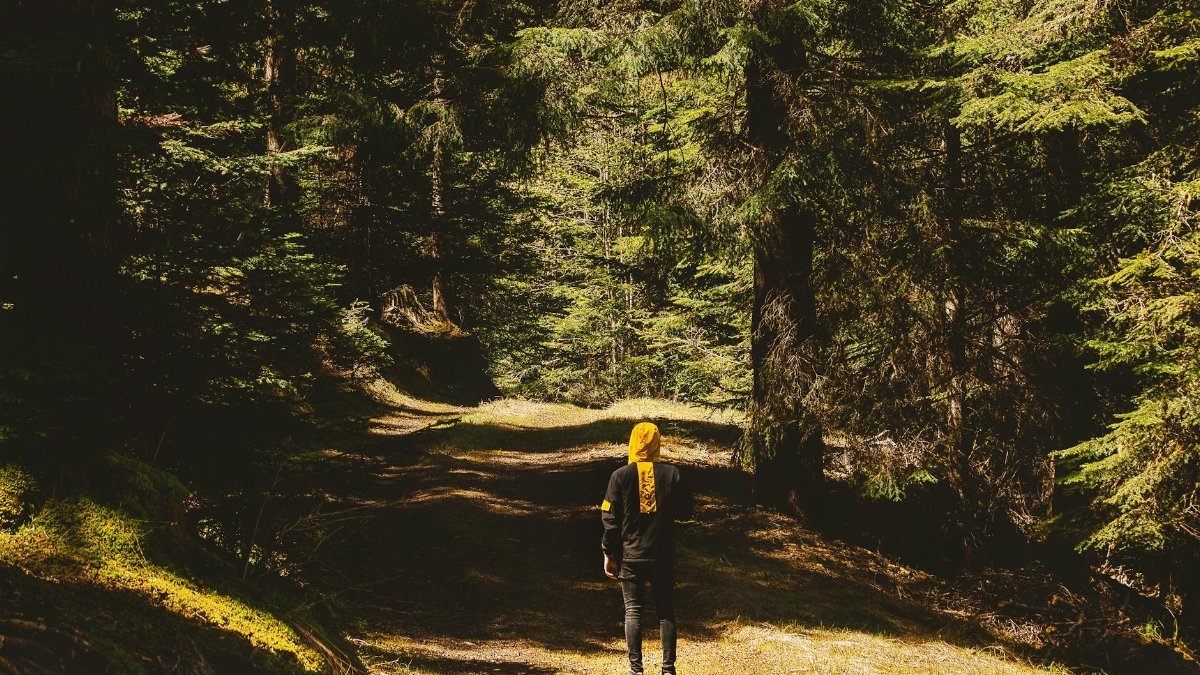
The monument’s three-mile trail network winds past key sites: the massive Three Maidens boulders, said to represent purity; the Oracle, a leaning rock where prophecies were sought; and Winnewissa Falls, whose waters once purified tools. These paths encourage a slowed pace, fostering the mindfulness promised in the site’s meta description—a deeply mindful afternoon amid Midwest tranquility.
Middle-aged hikers, drawn by its accessibility, report transformative encounters. One visitor, a Chicago teacher, described emerging from the Upper Quarry Trail feeling unburdened, as if the land had absorbed her worries. Interpretive signs blend geology, ecology, and ethnography, educating without overwhelming.
Geological Marvel Beneath the Spirituality
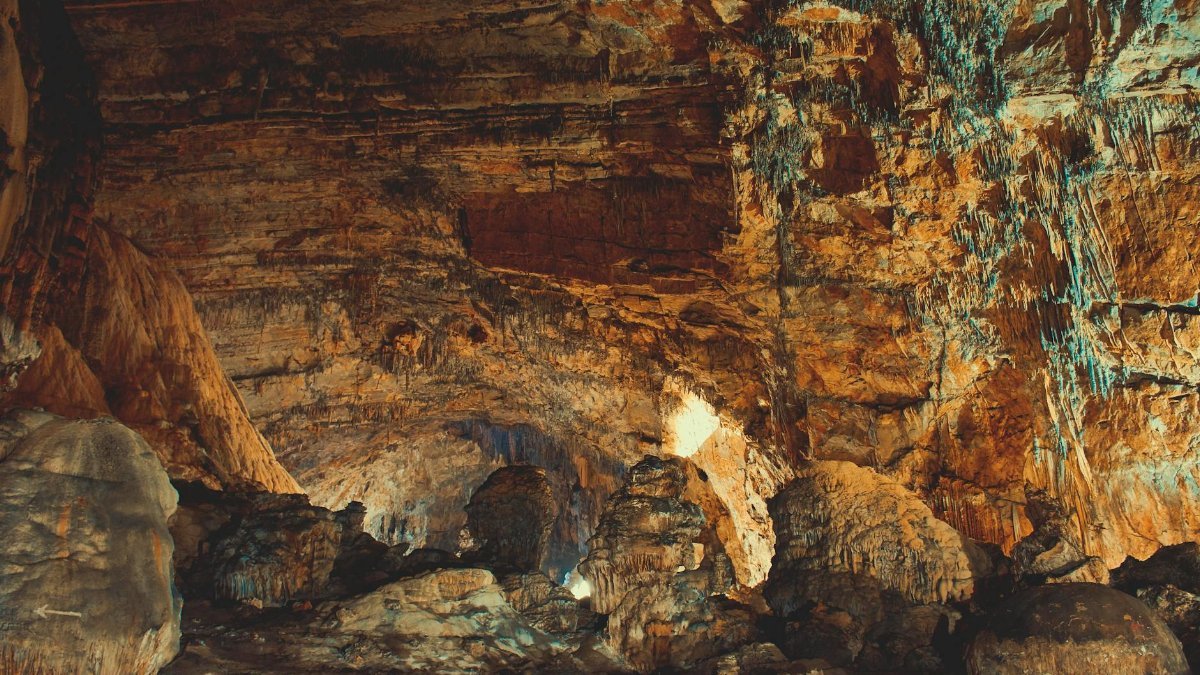
Beyond symbolism, pipestone’s formation captivates scientists. Layers of Sioux quartzite, baked under immense pressure 1.6 billion years ago, sandwich the softer catlinite. This unique stratigraphy, exposed by erosion, makes the monument a geological classroom. Park rangers lead talks on how glacial activity shaped the prairies around it, linking micro-site to macro-landscape.
Climate change now threatens this balance: fluctuating moisture affects stone quality, prompting tribal scientists to monitor quarries. Their work highlights how spiritual sites demand adaptive stewardship in a warming world.
Modern Revival and Cultural Exchange

In recent decades, pipestone monument has spurred a renaissance in Native arts. The visitor center displays pipes alongside contemporary sculptures, bridging ancient technique with innovation. Annual pipestone festivals feature storytelling, drumming, and carving demonstrations, drawing thousands.
Non-Native artisans, after rigorous training and cultural sensitivity courses, contribute ethically sourced pieces. This exchange demystifies the sacred while honoring protocols—no photos of quarries without permission, respect for ongoing ceremonies.
Echoes in American Spiritual Identity

Pipestone National Monument challenges broader narratives of American spirituality, often framed through Puritan or transcendental lenses. Here, indigenous earth-centered practices offer an alternative: grounded, communal, cyclical. For a nation grappling with secular drift, the site’s quiet authority provides pause.
Scholars like Duane Champagne, in his work on Native sacred sites, argue such places foster national reconciliation. Visiting pipestone monument, one senses not just history but possibility—a space where diverse seekers find common ground in reverence.
Practical Pilgrimage: Visiting Today

Accessible year-round, the monument welcomes 80,000 visitors annually. Spring and fall avoid summer crowds; entry is free, though donations support tribal programs. Stay nearby in Pipestone town, with its museums and peace pipes-themed cafes. Book quarry tours in advance, especially during cultural events.
For deeper engagement, join a sweat lodge or pipe-making workshop, offered seasonally with tribal hosts. These experiences, rooted in consent and reciprocity, extend the monument’s spiritual invitation beyond observation.
Lessons from the Red Stone

As sunset gilds the quarries, the pipestone monument reveals its deepest lesson: endurance. Through treaties, tourism, and trials, it persists as a beacon of sacred continuity. In an era of division, this Midwest sanctuary reminds us that true connection arises from the earth itself—humble, unyielding, alive with story.
Whether drawn by faith, curiosity, or quiet seeking, the site fulfills its promise: a mindful interlude where past and present quarry truth together.