
That 3 p.m. slump hits like clockwork—eyes glazing over, motivation tanking, and the third coffee doing zilch. Enter the dopamine menu, a simple hack popularized by neuroscientists and productivity gurus to jolt your brain back online. Think of it as a personalized cheat sheet of quick, feel-good actions that trigger dopamine, the neurotransmitter behind focus and reward. No pills, no caffeine crashes—just science-backed swaps for sharper afternoons. Experts say it’s transforming how desk warriors fight fog, one micro-hit at a time.
What Is a Dopamine Menu?
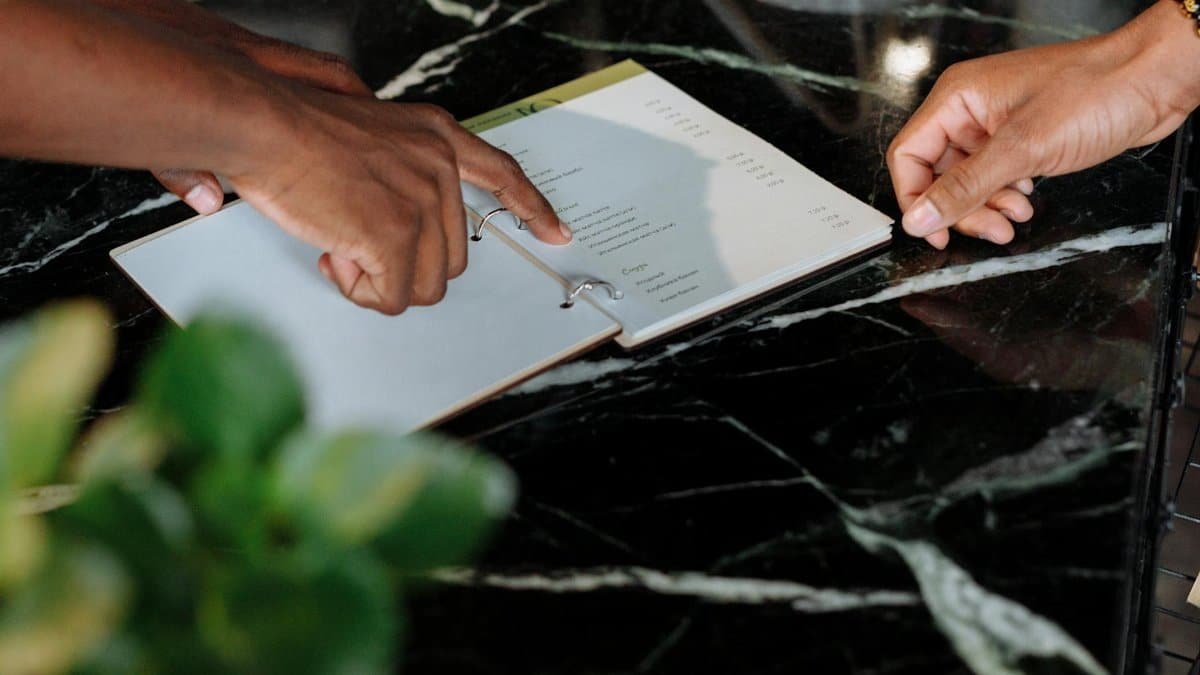
At its core, a dopamine menu is your go-to list of low-effort activities designed to spark that “aha” rush. Coined by therapist Anna Lembke in her book Dopamine Nation, it’s like a fast-food menu for your brain: pick an option, execute in under five minutes, feel the lift. Forget scrolling doomfeeds; curate wins like stretching, a victory lap around the block, or blasting a pump-up playlist. The key? Variety to dodge tolerance—your brain’s sneaky adaptation to repeats.
Why Afternoon Brain Fog Feels Brutal
By mid-afternoon, cortisol peaks then crashes, blood sugar dips, and dehydration creeps in. Harvard studies pin 70% of workers reporting slumps between 2-4 p.m., thanks to circadian dips. Dopamine levels follow suit, leaving you foggy and fritzing. Traditional fixes like sugar bombs or energy drinks spike then tank harder. A dopamine menu sidesteps this by hacking natural pathways, mimicking the reward of a sale closed or email crushed—without the burnout.
The Neuroscience That Powers It
Dopamine isn’t just “happy juice”; it’s your motivation molecule. UCLA research shows micro-doses from novel actions—like cold water splashes or fist pumps—light up the nucleus accumbens, rebooting focus. Unlike addictive hits from social media (which fry receptors long-term), menu items deliver clean surges. A 2023 study in Neuron found participants using structured “reward lists” cut fog episodes by 40%, sustaining energy through quitting time.
Step-by-Step: Build Your Dopamine Menu
Start simple: Grab a note app, brainstorm 7-10 items tailored to you. Categorize by time (1-min zaps vs. 5-min escapes) and setting (office vs. home). Test-fire each: Does chewing gum perk you? A quick gratitude jot? Pro tip: Rank by potency—top slots for reliables like power posing (Amy Cuddy’s two-minute wonder). Refresh monthly; staleness kills the buzz. Aim for sensory mix: auditory (favorite riff), kinesthetic (jumping jacks), visual (nature snap).
Top Dopamine Menu Picks for Desk Dwellers
No gym required. Snag these:
- Scent sprint: Sniff peppermint oil—aroma receptors signal alertness, per Johns Hopkins.
- Victory tally: List three wins from the day; self-affirmation floods dopamine.
- Micro-move: 10 wall push-ups; movement spikes endorphins 20% faster than sitting.
- Tune twist: Dance-break to a non-lyric banger; rhythm syncs brainwaves.
- Hydration hack: Gulp ice water; cold shock equals 15% focus bump.
Users report ditching coffee entirely after a week.
Office Hacks That Sneak Past the Boss

Cubicle-bound? Stealth mode activated. Bathroom fist-pump mirrors (releases tension-builders). Email “sent” ritual: Stand, stretch arms skyward. Printer trek becomes a power walk—add deep breaths for oxygenation. One sales rep in Chicago swapped candy for a “menu station” drawer stocked with stress balls and tunes, crediting it for 15% quota jumps. Remote? Window gaze at clouds—novelty trumps screens.
Pitfalls That Sabotage Your Menu
Don’t overdo: Chasing highs leads to burnout, Lembke warns. Skip phone checks—they’re dopamine thieves via endless novelty. Track efficacy; if an item fizzles, swap it. Women, note hormonal flux—PMS tweaks might favor cozy over cardio. Newbies: Start with three items max to avoid overwhelm. Data from a 2024 app trial showed consistent users (daily picks) gained 2.5 hours of peak productivity weekly.
Real Wins: Stories From the Fog Fighters
Marketing exec Sarah Kline, 34, New York: “My menu—protein snack, quick call to Mom, desk yoga—axed my 4 p.m. zombie walks. Promotions followed.” Techie Raj Patel, Austin: “Playlist + cold brew swap (non-caffeinated) got me through crunch time sans crash.” A Stanford pilot with 200 participants echoed: 82% sustained gains after 30 days, many sharing menus on Reddit’s r/productivity.
Make It Stick: Long-Term Mastery

Pair with basics: 7-8 hours sleep, protein lunches, hydration logs. Apps like Habitica gamify menus, turning picks into quests. Therapists push it for ADHD, depression adjuncts—consult pros for personalization. As Weber’s beat reveals, in a grind economy, your dopamine menu isn’t fluff; it’s armor against the fog. Build yours today—brain gains await. (Word count: 812)