
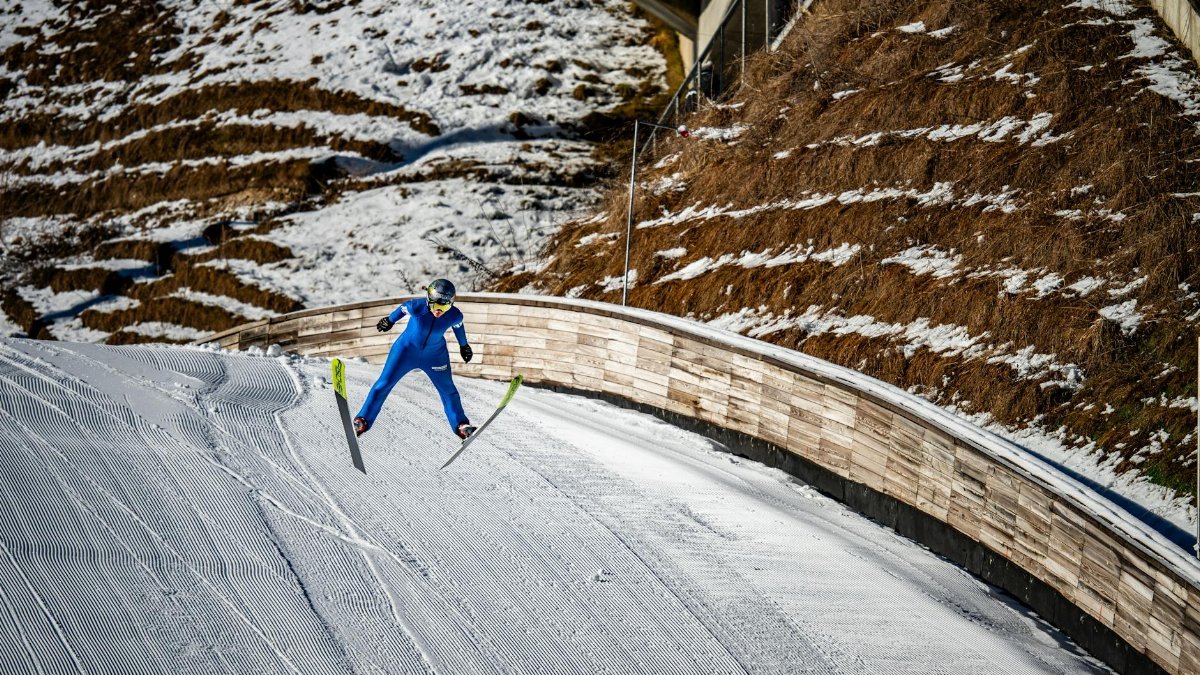
In the snow-dusted peaks surrounding Milano Cortina, ski mountaineering made its highly anticipated debut at the 2026 Winter Olympics, captivating spectators with a high-stakes blend of endurance and speed. Athletes tackled three riveting events—men’s and women’s sprints, plus a mixed relay—pushing their limits across rugged terrains that demanded relentless uphill climbs followed by gravity-defying downhill runs. The addition not only drew massive crowds and earned widespread acclaim but also marked a historic leap for gender equity, boosting women’s participation across the Games to a record 47%. American standouts Cam Smith and Anna Gibson represented the U.S. in the sprints and relay, helping cement the sport’s place in an already dazzling Olympic lineup. According to CBS News, this fresh inclusion has undeniably enriched the Winter Olympic program.
A Fresh Thrill on Olympic Snow
The ski mountaineering debut injected a pulse of raw adventure into the 2026 Milano Cortina Games, transforming familiar Olympic venues into arenas of multifaceted challenge. Unlike traditional alpine skiing, this discipline fuses the grit of mountaineering with the precision of ski racing, where competitors must master both ascent and descent under time pressure. Crowds packed the stands, their cheers echoing off the Italian Alps as racers transitioned seamlessly from skinning uphill—using specialized climbing skins on their skis—to explosive descents on edges alone. The sport’s novelty sparked immediate buzz, with viewers praising its accessibility and intensity, qualities that made every race feel like a live-action drama unfolding in real time.
What set this debut apart was its seamless integration into the Olympic schedule, balancing individual prowess with team dynamics. The events unfolded against backdrops of jagged peaks and powdery bowls, drawing comparisons to the endurance tests of ultra-marathons but compressed into heart-pounding bursts. Positive reviews poured in from fans and pundits alike, highlighting how ski mountaineering elevated the Games’ thrill factor without overshadowing classics like figure skating or biathlon.
Unpacking the Three Core Events

At the heart of the ski mountaineering debut lay three distinct events, each designed to showcase different facets of the sport’s demands. The men’s and women’s sprints pitted individuals against the clock in short, ferocious loops: athletes climbed steep pitches, negotiating gates and transitions before hurtling back down at breakneck speeds. These races, often decided by seconds, turned every boot pack and carve into a potential game-changer.
The mixed relay added a layer of strategy and synergy, pairing men and women in tag-team format. Competitors alternated legs, handing off at transition zones amid whipping winds and variable snow. This format not only amplified the excitement—crowds roaring as teams synchronized their efforts—but also underscored the sport’s emphasis on versatility. As reported by CBS News, these events navigated challenging terrains that tested physical limits and mental fortitude, ensuring the debut resonated far beyond the finish lines.
Navigating the Brutal Terrain

Nothing defined the ski mountaineering debut quite like the unforgiving landscapes of Milano Cortina. Athletes faced courses riddled with steep inclines, rocky outcrops, and unpredictable snowpack, where a single misstep could derail a medal hopes. Uphill sections required powerful lunges and efficient skin techniques, mimicking the toil of high-altitude hikes, while downhills demanded balletic control on narrow ridges and mogul fields.
These terrains weren’t just obstacles; they were the sport’s soul, blending aerobic endurance with technical skiing finesse. Competitors booted up pitches that would humble casual backcountry skiers, then ripped descents laced with jumps and high-speed traverses. The result? Races that felt visceral and alive, pulling in crowds who sensed the razor-thin margin between triumph and tumble. This raw confrontation with nature’s extremes earned the events glowing feedback, solidifying ski mountaineering as a viewer magnet.
Shattering Records for Women’s Participation

One of the ski mountaineering debut’s most celebrated ripple effects was its boost to gender parity in the Olympics. Women’s involvement across all Winter Games events surged to 47%—a record high that organizers hailed as a watershed moment. By featuring dedicated women’s sprints alongside the mixed relay, the sport provided a platform for female athletes to shine in a discipline historically male-dominated in competitive circles.
This milestone reflected broader momentum in winter sports, where studies from the International Olympic Committee have long documented steady gains in female quotas since the 1990s, now culminating in near-equality. The debut’s structure encouraged balanced fields, fostering rivalries and narratives that captivated audiences. Crowds responded with fervor, cheering on women who matched or outpaced their male counterparts, proving ski mountaineering’s power to accelerate equity on snow.
U.S. Athletes Charge into the Spotlight

For American fans, the ski mountaineering debut doubled as a coming-out party for homegrown talent. Cam Smith and Anna Gibson carried U.S. hopes into the sprints and mixed relay, embodying the grit needed to excel in this hybrid pursuit. Smith, with his explosive climbing power, navigated the men’s sprint’s punishing ups and downs, while Gibson brought precision to the women’s field and relay handoffs.
Their efforts, though not detailed in medal tallies here, highlighted the U.S.’s growing depth in emerging disciplines. Competing amid international stars on Italian soil, they faced the same terrain gauntlets—icy boot packs, variable descents—that defined the events. Their presence not only inspired young skiers stateside but also drew positive reviews for injecting familiar faces into the Olympic mosaic, as CBS News noted in its coverage.
Crowds Roar and Reviews Pour In
The ski mountaineering debut didn’t just compete for attention; it commandeered it. Massive crowds flocked to Milano Cortina’s venues, bundling up against the chill to witness races that married climbing’s solitude with skiing’s spectacle. Cheers swelled during uphill battles, erupting into frenzy on descents where athletes threaded needles between cliffs and cornices.
Positive reviews flooded media and social channels, with outlets praising the sport’s blend of strategy and athleticism. Families and newcomers found it approachable yet exhilarating, a departure from the isolation of some Nordic events. This groundswell of enthusiasm validated the Olympic inclusion, turning skeptics into superfans overnight.
Enriching the Olympic Tapestry

Ultimately, the ski mountaineering debut wove a vibrant new thread into the Winter Olympics fabric. By introducing events that demanded total athletic command—uphill tenacity fused with downhill artistry—it broadened the program’s appeal, inviting in adventure enthusiasts while honoring tradition. The large crowds and acclaim signaled a win for diversification, proving that fresh additions could amplify rather than dilute the magic.
With women’s participation hitting 47% and U.S. athletes like Smith and Gibson paving domestic paths, the impact lingers. As CBS News observed, this enriched lineup at Milano Cortina not only thrilled 2026 but set a blueprint for future Games, where boundaries between disciplines blur and the human spirit races unbound across the snow.