

In the scorching expanse of the Sahara desert, paleontologists have uncovered one of the most striking sahara spinosaurus fossils to date: the remains of a colossal dinosaur predator known as Spinosaurus mirabilis. This towering beast, adorned with a massive blade-like crest, has earned the vivid nickname “Hell Heron” for its eerie, bird-like silhouette and ferocious prowess. Researchers describe it as a highly adapted ancient carnivore that once ruled prehistoric African river ecosystems, leveraging its specialized skull and dramatic crest to ambush large aquatic prey millions of years ago. The discovery, detailed in reports from ScienceDaily, offers a thrilling glimpse into a world where giants prowled watery realms amid arid landscapes.
A Treasure Unearthed in the Desert’s Heart

Deep within the Sahara’s unforgiving dunes, where shifting sands have long guarded ancient secrets, this spectacular sahara spinosaurus fossil emerged from the earth. Paleontologists, sifting through layers of sediment baked by relentless sun, stumbled upon fossilized remains that immediately stood out for their sheer scale and uniqueness. The site, nestled in one of the world’s harshest environments, underscores the irony of finding evidence of a creature so tied to watery habitats. As reported by ScienceDaily, the unearthing process revealed bones that paint a picture of a predator perfectly tuned to its prehistoric niche, far removed from the dry world above.
The Sahara, today a vast sea of sand, was once dotted with rivers and oases during the dinosaur era, providing the ideal backdrop for such a find. This fossil’s preservation highlights how geological shifts can both bury and reveal history, drawing scientists back to North Africa’s fossil-rich formations time and again.
The Hell Heron Takes Flight in Paleontology
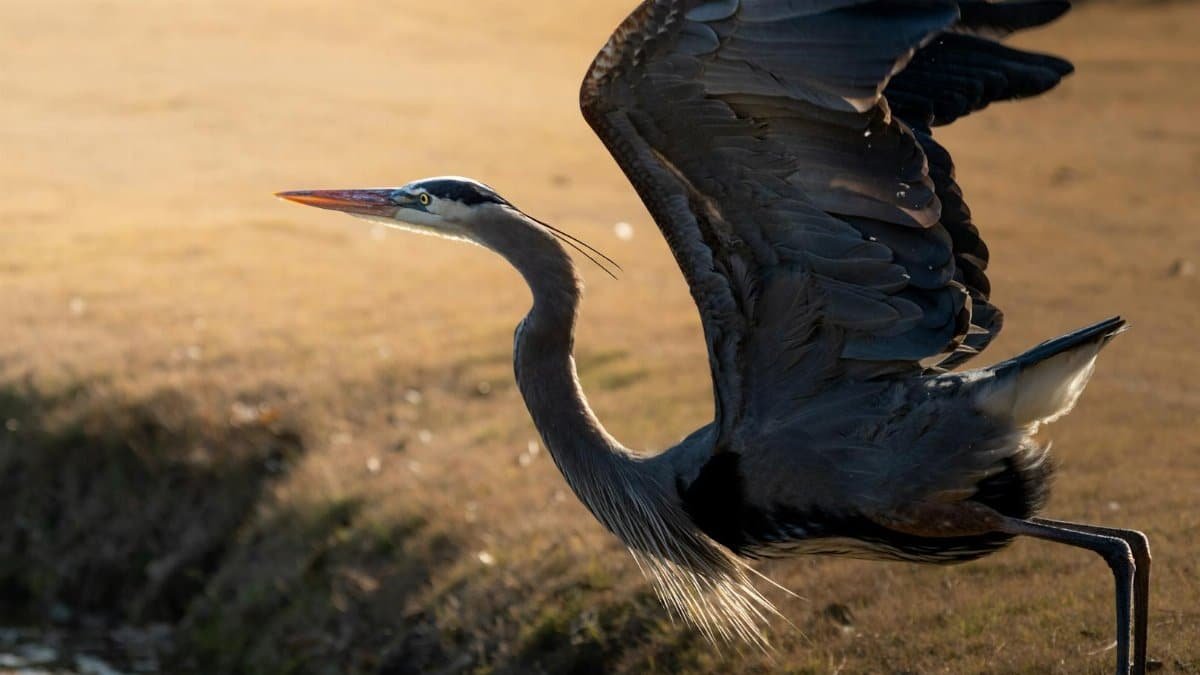
Nicknamed the “Hell Heron,” Spinosaurus mirabilis evokes imagery of a demonic waterbird stalking its domain. The moniker captures the dinosaur’s elongated, heron-like proportions combined with a sail of terror rising from its back. Researchers confirm this wasn’t just any dinosaur; it was a specialized carnivore whose form screamed adaptation to a semiaquatic life. The blade-like crest, giant and distinctive, likely served multiple roles, from display to structural support, crowning this predator as a standout in the fossil record.
This vivid naming isn’t mere flair—it’s a nod to how the creature’s morphology bridges terrestrial power with avian grace, all while hinting at its hellish hunting efficiency. For paleontologists, dubbing it thus makes the ancient beast relatable, bridging millions of years to our modern imagination.
A Towering Figure in Prehistoric Africa
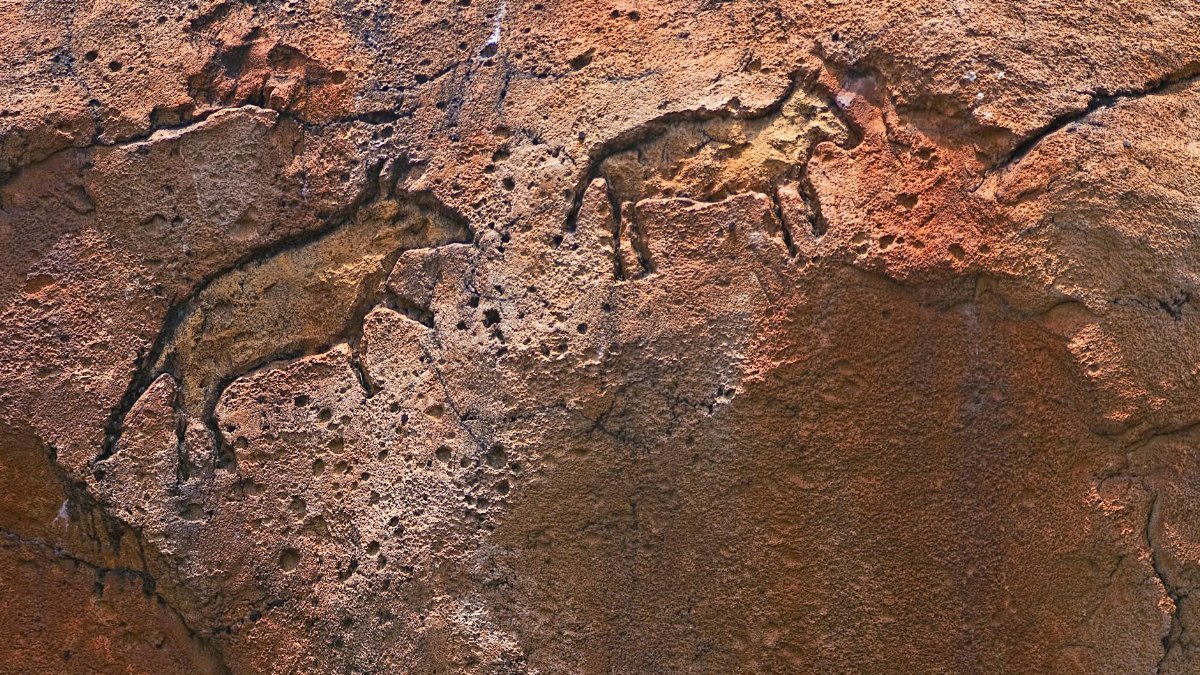
Standing as a towering presence, Spinosaurus mirabilis dominated its environment with an imposing stature suited to rivers teeming with life. This highly adapted ancient carnivore measured up to lengths that dwarfed many contemporaries, its body engineered for both land and water. The sahara spinosaurus fossil’s completeness allows experts to reconstruct a frame that balanced brute strength with streamlined agility, essential for navigating prehistoric African waterways.
Its adaptations went beyond size; every feature screamed specialization for a life intertwined with aquatic pursuits. In an era when rivers carved through lush, verdant landscapes now lost to desertification, this dinosaur reigned supreme, a testament to evolutionary ingenuity.
The Iconic Blade-Like Crest: Form and Function

At the core of this discovery is the giant, distinctively blade-like crest that defines Spinosaurus mirabilis. Rising prominently along its spine, this impressive structure wasn’t just for show—it likely aided in thermoregulation, species recognition, or even as a weapon in territorial disputes. The sahara spinosaurus fossil preserves this feature in exquisite detail, allowing researchers to appreciate its razor-sharp profile against the creature’s elongated body.
Blended seamlessly into its anatomy, the crest enhanced the dinosaur’s silhouette, making it a visible terror to prey and rivals alike. Such features, while rare, underscore how dinosaurs evolved extravagant displays amid fierce competition for resources in ancient river systems.
Specialized Skull: Engineered for the Hunt

The incredibly specialized skull of Spinosaurus mirabilis marks it as a master of ambush predation. Narrow and elongated, with conical teeth ideal for grasping slippery fish and large aquatic animals, this feature set it apart from land-bound theropods. Paired with the blade-like crest, the skull formed a deadly toolkit, enabling precise strikes in murky waters millions of years ago.
Paleontologists note how this design echoes modern crocodilians or herons, supporting the Hell Heron nickname. The sahara spinosaurus fossil’s cranial elements reveal a predator that prioritized watery feasts over terrestrial chases, reshaping views of dinosaur diversity in African ecosystems.
Ruling the Prehistoric River Ecosystems
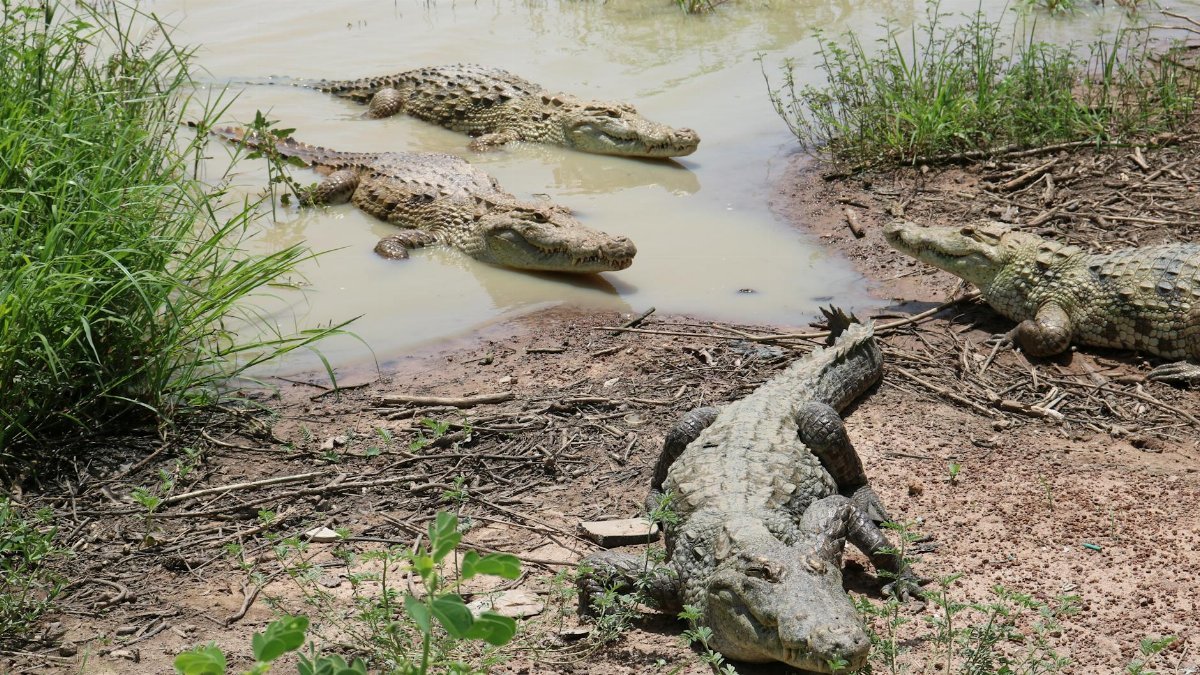
In the lush river ecosystems of prehistoric Africa, Spinosaurus mirabilis held court as the apex carnivore. These waterways, alive with fish, turtles, and smaller dinosaurs, provided a buffet for this towering hunter. Its adaptations positioned it at the top of the food chain, preying on creatures too large for others to tackle effectively.
The discovery illuminates how such predators structured entire communities, keeping populations in check and driving evolutionary pressures. Far from isolated, this dinosaur was a keystone species in a dynamic, water-centered world that once thrived beneath the Sahara’s sands.
Hunting Large Aquatic Prey: A Watery Reign of Terror
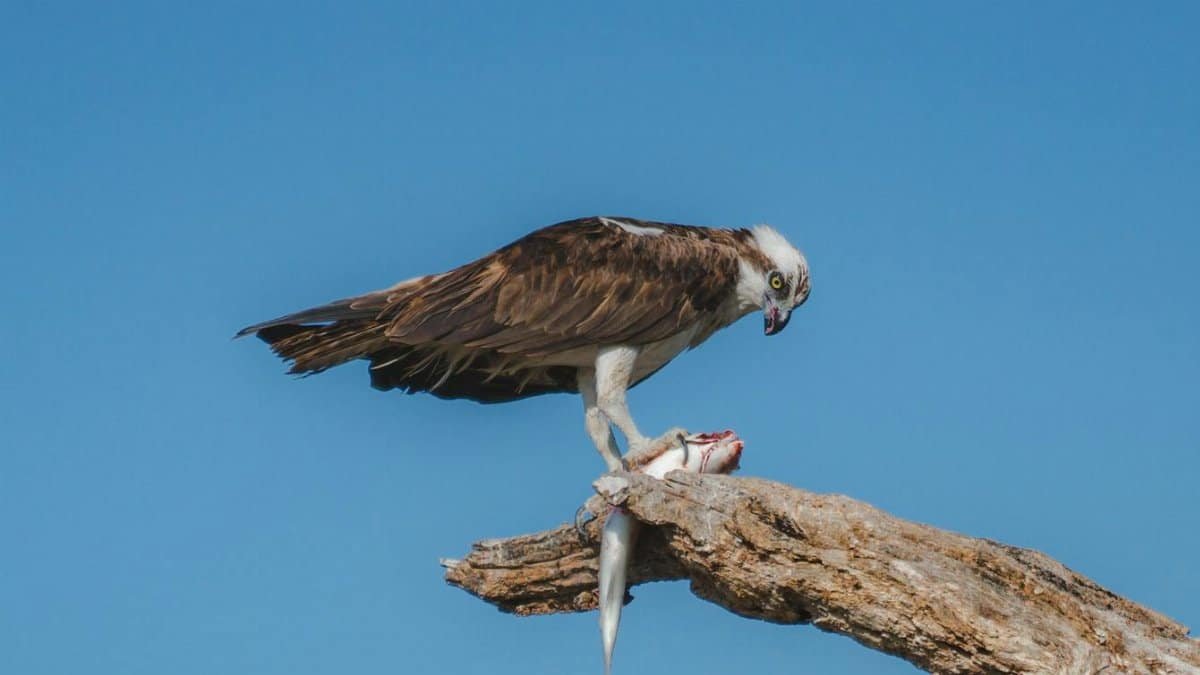
Utilizing its specialized skull and impressive crest, Spinosaurus mirabilis excelled at hunting large aquatic prey. Wading into rivers or lunging from shallows, it deployed its blade-edged snout to impale victims, dragging them to shore or devouring them outright. This strategy, honed over millions of years, made it a relentless force in its habitat.
Evidence from the sahara spinosaurus fossil suggests bursts of speed in water, complemented by powerful limbs. Such prowess not only sustained the Hell Heron but defined its legacy as a conqueror of aquatic domains, where every ripple could signal dinner.
Why This Fossil Rewrites Ancient Narratives
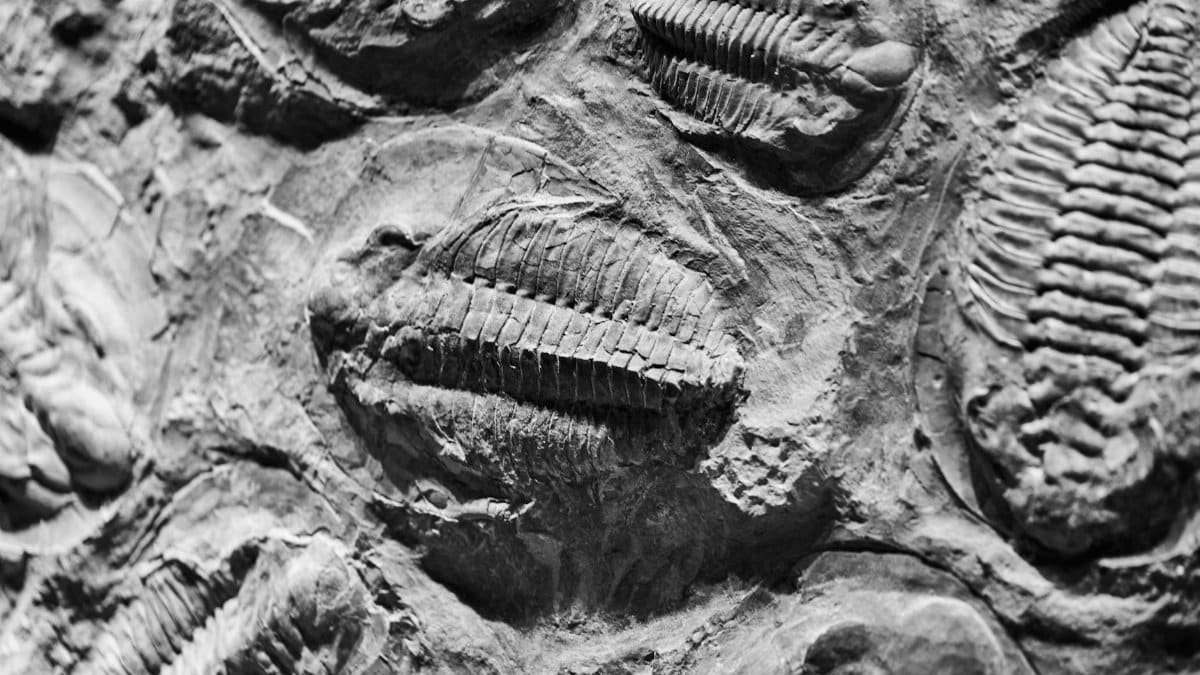
This sahara spinosaurus fossil doesn’t just add another skeleton to museum shelves—it deepens our grasp of dinosaur adaptability. By showcasing a carnivore so wedded to rivers, it challenges assumptions about predatory lifestyles, emphasizing aquatic niches in Africa’s past. Researchers, as covered by ScienceDaily, hail it as a pivotal find that enriches prehistoric tales.
Blending prior knowledge of spinosaurids’ piscivorous tendencies with this blade-crested specimen, it reinforces a narrative of innovation. For science enthusiasts and scholars alike, the Hell Heron stands as a bridge to lost worlds, inviting us to ponder the dramas unfolding in ancient waters now buried under desert vastness.