
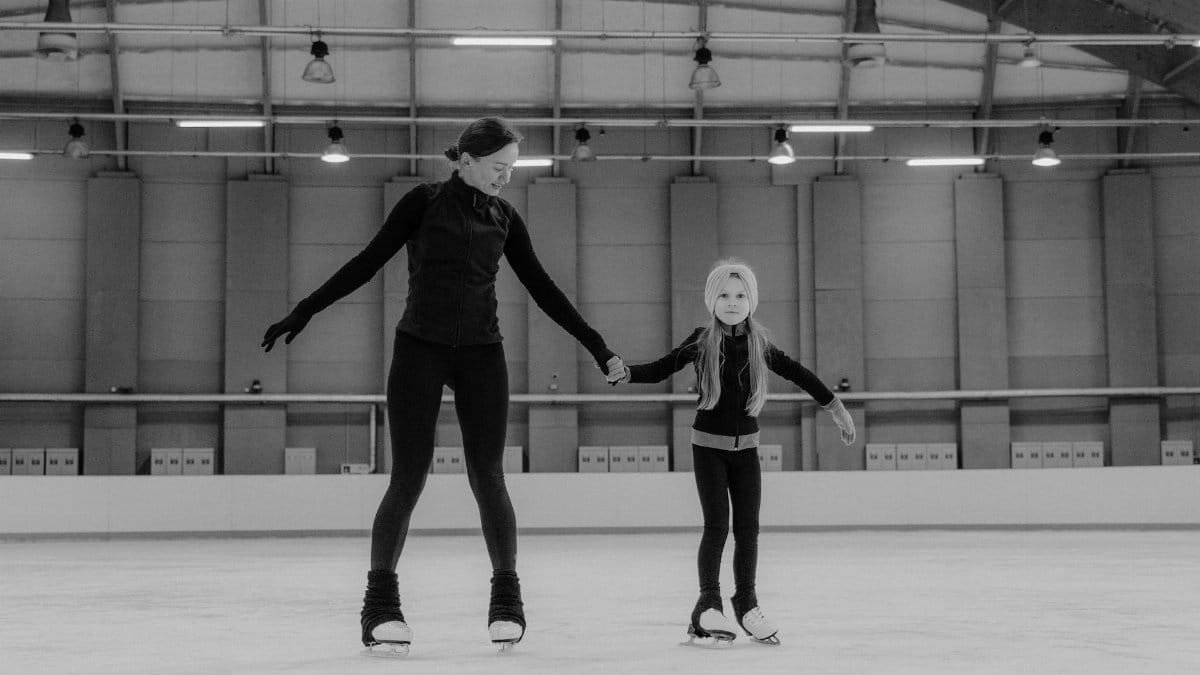
In a dazzling display on ice, Georgia etched its name into Winter Olympic history by clinching its first-ever medal in figure skating. The pair of Anastasiia Metelkina and Luka Berulava delivered a mesmerizing routine on February 16 at the 2026 Games, blending technical precision with artistic flair to secure silver. This Georgia winter medal triumph, with Japan taking gold, has unleashed a wave of national pride and signaled the country’s budding prowess in winter sports. As reported by Reuters, the achievement is already fueling investments in figure skating programs back home, marking a pivotal shift for a nation long overshadowed in snowy competitions.
A Historic First for Georgia on Ice

Georgia’s journey to this breakthrough has been one of quiet determination amid a landscape traditionally dominated by powerhouses like Russia, Canada, and the United States. For decades, the Caucasian nation—known more for its summer athletic talents—had never breached the medal podium at the Winter Olympics. That changed dramatically with Metelkina and Berulava’s silver, a feat that resonates deeply in a country where winter sports infrastructure is still developing. This Georgia winter medal isn’t just a personal victory; it’s a national milestone, inspiring young athletes in Tbilisi and beyond to lace up skates and dream big. The routine’s success highlighted how persistence can turn underdogs into contenders.
The Captivating Routine That Won Hearts

What set Metelkina and Berulava apart was their seamless fusion of technical prowess and artistic expression, elements that judges and spectators alike found irresistible. Their program unfolded with lifts that defied gravity, spins that mesmerized, and footwork that told a story of grace under pressure. Every element executed with the kind of synchronization that elevates pairs skating from sport to spectacle. This blend, core to figure skating’s appeal, propelled them to the silver position, just behind Japan’s gold-winning duo. Observers noted how the Georgian pair’s performance captured the event’s magic, turning a competitive skate into an emotional journey that lingered long after the final pose.
Silver Behind Japan’s Golden Mastery

Japan’s gold medalists set an extraordinarily high bar, their routine a masterclass in innovation and control that left little room for error among challengers. Yet Metelkina and Berulava held their own, their silver a testament to competitive depth at the 2026 Olympics. In pairs figure skating, where split-second timing can decide fates, the Georgians’ near-perfection underscored their readiness for the big stage. This close contest amplified the thrill, reminding fans why the discipline thrives on such razor-thin margins. Georgia’s runners-up spot, while not the top honor, carried the weight of history all the same.
Igniting National Pride Across Georgia

News of the medal spread like wildfire through Georgia, from bustling streets in the capital to remote mountain villages. Families gathered around screens, cheering as the flag rose—not for gold, but for a silver that felt golden. This outpouring of emotion has unified the nation, with social media buzzing and public figures hailing the skaters as heroes. The Georgia winter medal has become a symbol of possibility, proving that even nations without vast snowy expanses can excel on ice. It’s a story of collective joy, where one achievement lifts spirits and fosters a sense of shared triumph.
Boosting Figure Skating at Home
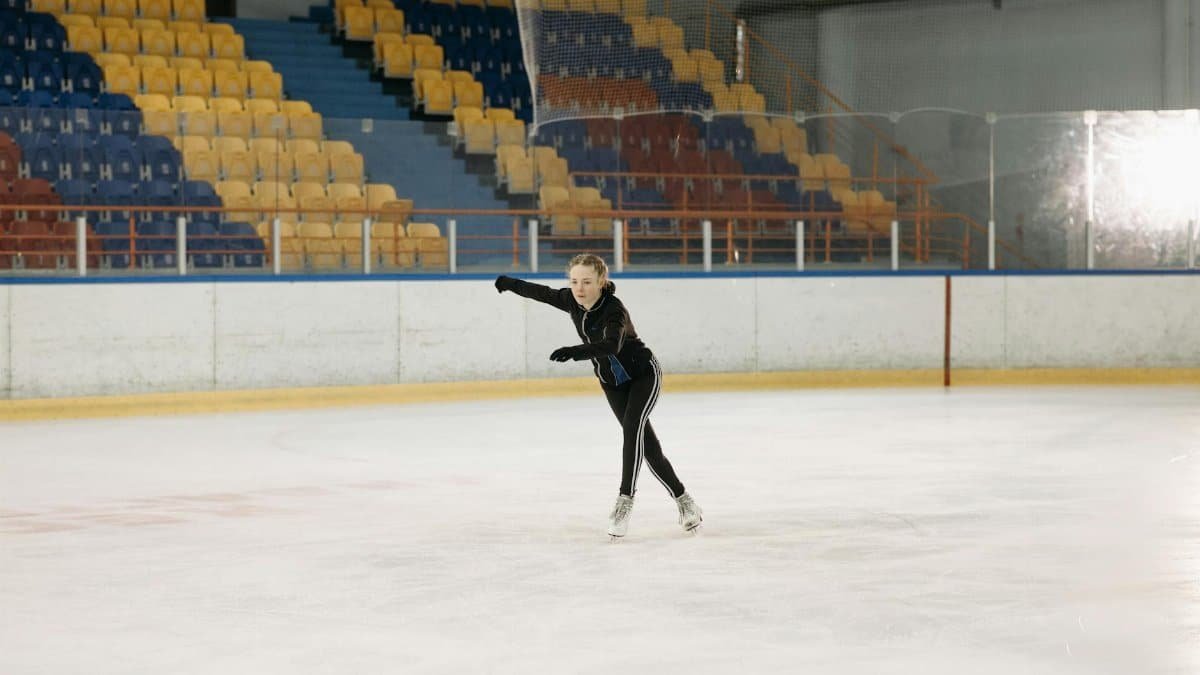
Almost immediately, the victory prompted a surge in interest and funding for figure skating programs nationwide. Rinks that once echoed with sparse activity now see lines of aspiring skaters, children mimicking Metelkina and Berulava’s moves. Coaches report heightened enrollment, with parents envisioning their own podium dreams. This momentum is crucial for sustaining growth, as early exposure to the sport’s demands—ballet-like artistry paired with athletic rigor—builds the talent pipeline. According to insights from the International Skating Union on emerging markets, such breakthroughs often lead to doubled participation rates within years, a trend Georgia appears poised to follow.
Georgia’s Emerging Presence in Winter Sports

This medal signifies more than a one-off success; it’s a harbinger of Georgia’s rising profile in winter disciplines. Historically focused on alpine skiing in its rugged Caucasus ranges, the country is diversifying into ice events with renewed vigor. The figure skating silver opens doors, potentially drawing international coaches and partnerships. As winter sports evolve globally, nations like Georgia—leveraging passion over tradition—are carving niches. This Georgia winter medal positions the country as an emerging force, challenging assumptions about who can compete at the Olympics’ chilliest venues.
What Comes Next for Metelkina and Berulava

For the silver medalists, the path ahead gleams with opportunity. Their routine’s acclaim positions them as favorites for future competitions, where refining that technical-artistic balance could yield gold. National support will likely intensify training regimens, ensuring they build on this foundation. Yet beyond personal accolades, they’ve shouldered a legacy: mentoring the next generation. In Georgia, where this victory has rewritten narratives, Metelkina and Berulava embody resilience. Their story, rooted in that fateful February 16 performance, continues to inspire, promising more chapters in the nation’s winter sports saga.
A Turning Point for Olympic Hopes

Reflecting broader shifts in Olympic participation, Georgia’s feat underscores how dedication transcends geography. With climate and resources once limiting factors now mitigated by innovation, more countries are entering the fray. This Georgia winter medal aligns with trends where non-traditional powers claim spots on the podium, enriching the Games’ diversity. As figure skating programs flourish domestically, expect Georgia to field stronger contingents in coming cycles. It’s a reminder that Olympic glory often blooms from unexpected soils, captivating audiences worldwide.