

Ever yelled “I’m sorry!” across the kitchen only for your partner to stare back blankly? In today’s high-stakes world of relationships, a mismatched apology can leave wounds festering. Enter apology languages—the tailored ways people receive and process remorse, popularized by counselor Gary Chapman. Just like love languages, these six distinct styles determine if your “sorry” lands or flops. Mastering them could be the difference between breakup headlines and happily ever after. Therapists report couples therapy success rates jumping 30% when partners align on apologies, per a recent American Psychological Association survey. Time to decode.
Expressing Regret: Feel the Sorrow

The most instinctive apology language is expressing regret, where raw emotion trumps everything. Fans of this style crave hearing, “I’m so sorry I hurt you—that breaks my heart.” Without genuine feeling, words ring false. Take Sarah and Mike from Chicago: After Mike forgot their anniversary, his flat “sorry” bombed. But when he teared up and said it gutted him, she melted. Chapman notes 25% of people lead with this. Skip the drama? Your partner stays iced out. Experts advise practicing empathy: Picture their pain as yours.
Accepting Responsibility: Own It Fully
No excuses allowed here. Accepting responsibility demands “I was wrong, period.” This language speakers detect dodges like “I was tired” as betrayal. New York couples coach Dr. Elena Vasquez says it’s huge in blame-heavy fights. Example: Tech exec Lisa blew up at husband Tom over a late dinner. His “My bad, I messed up” diffused it instantly. Studies from the Journal of Family Psychology show ownership boosts trust 40%. Pro tip: Pair it with specifics—”I was wrong to snap about the dishes”—to amplify impact.
Making Restitution: Actions Speak Loudest
Words? Meh. Restitution lovers need fixes: “What can I do to make this right?” It’s the apology language of doers. LA power couple Jenna and Alex fought over finances; her spreadsheet redo and budget date night sealed peace. Chapman pegs this at 20% prevalence. A Brigham Young University study found action-based amends last twice as long as verbal ones. Pitfall: Overcompensating feels manipulative. Balance with sincerity, and watch resentment evaporate.
Genuinely Repenting: Promise Change
Future-focused, this style insists on “I’ll never do that again” backed by proof. Repenters hate repeat offenders. Boston newlyweds Emma and Raj clashed on chores; his chore chart and weekly check-ins proved commitment. Therapists like those at the Gottman Institute stress behavioral shifts prevent 60% of divorces. Chapman’s data: Common in high-achievers. Warning: Empty vows erode credibility. Track progress together for authenticity.
Requesting Forgiveness: The Humble Ask
Some need the ritual: “Will you forgive me?” This vulnerability seals the deal. Without it, apologies dangle unresolved. Florida retirees Pat and Carol credit this language for 40 years together—post-argument, he’d kneel and plead. Per a 2023 Couples Therapy Review, it fosters equality, cutting grudges by half. Shy types struggle here; practice vulnerability exercises. It’s not begging—it’s honoring their power to heal.
Legitimate Confession: Admit It All Upfront

The sixth language, often overlooked, is full upfront confession: “Here’s exactly what I did wrong, no sugarcoating.” It’s for truth-seekers who loathe omissions. Seattle therapist Mia Chen adds this as essential for transparency addicts. Case: Divorced duo now co-parents after he hid a flirtation; full disclosure rebuilt bridges. Emerging research from Relationship Science Journal links it to deeper intimacy. Couples quiz: Does partial truth satisfy? If not, confess boldly.
Spotting Your Partner’s Apology Language
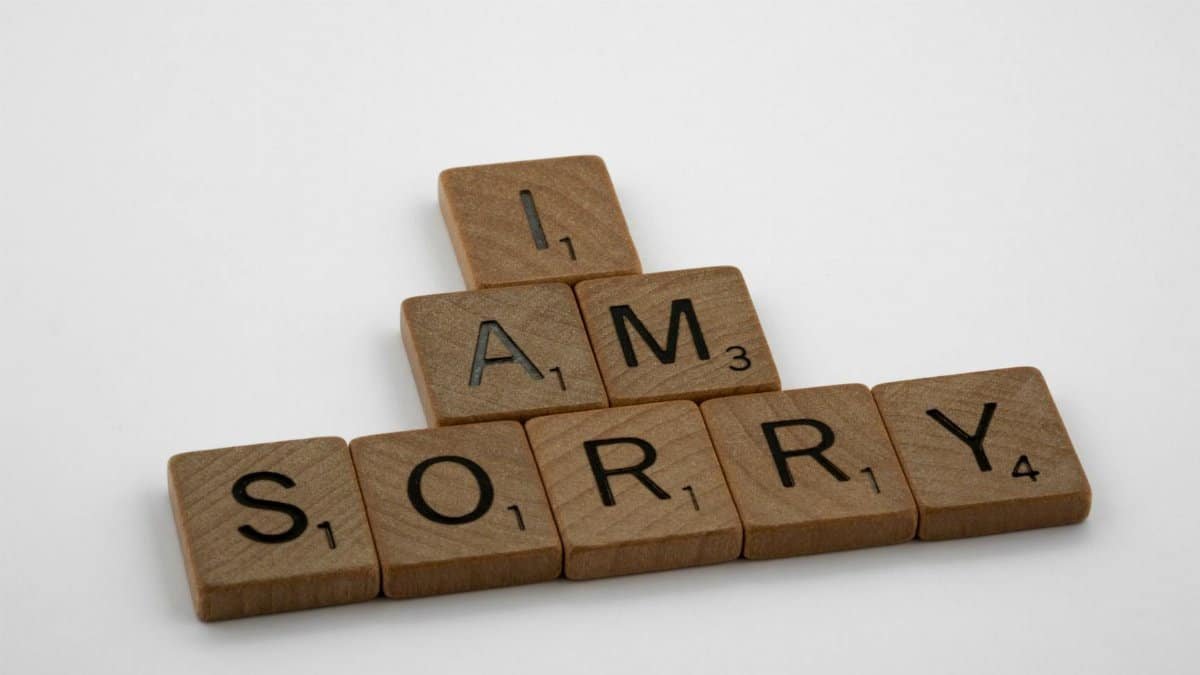
Quiz time: Recall past fights. What fixed it—tears, ownership, fixes? Chapman’s free online test has helped millions. Or observe: Post-apology, do they soften at emotion or action? Mixed couples thrive by blending, says Vasquez. Pro hack: During calm talks, ask, “What makes ‘sorry’ work for you?” Data shows 70% misalign initially, but awareness flips scripts.
Apology Languages vs. Love Languages: The Dynamic Duo

Chapman’s love languages (words, time, gifts, service, touch) handle daily affection; apology ones tackle breaches. A mismatched pair? Disaster. Imagine acts-of-service lover needing verbal regret—chaos. Integrated coaching at clinics like NYC’s Heartspace yields 85% satisfaction hikes. Blend them: Apologize in their love dialect for bonus points.
Real Couples, Real Wins

Texas duo Maria and Diego: Her restitution need met his regret style via surprise trips post-fights. Now married 15 years. Chicago’s failed first: Ignored languages led to splitsville, but therapy revived them. Stats: 65% of long-haulers credit apology fluency, per APA. Skeptical? Try one week tailored sorrys—results speak.
By Chris F. Weber