

As the weekend winds down and the sun dips low on Sunday evening, a quiet unease often creeps in for millions of Americans. That knot in the stomach, the racing thoughts about the week ahead, the dread of Monday morning, it all adds up to what many call sunday anxiety. This phenomenon, increasingly common in our high pressure world, affects professionals, parents, and students alike, turning what should be a restful close to the weekend into a prelude of stress. Yet simple shifts in routine can interrupt this cycle. Here, drawn from insights by psychologists and everyday practices that work, are twelve micro habits proven to halt the spiral before it starts. Each takes mere minutes but delivers outsized relief, restoring calm and perspective just when needed most.
Breathe Deeply for Ninety Seconds

Start here, with the most accessible tool: controlled breathing. When sunday anxiety hits, the bodys fight or flight response kicks in, elevating heart rate and shallowing breaths. A quick session of box breathing, four seconds in, hold four, out four, hold four, repeated three times, resets the nervous system. Research from the American Psychological Association highlights how such techniques lower cortisol levels almost instantly. Sit comfortably, close your eyes, and count silently. Within ninety seconds, tension eases, thoughts slow, and the evenings edge softens. This habit grounds you in the present, pulling focus from tomorrows unknowns.
Tidy One Small Area

Clutter mirrors inner chaos, amplifying sunday anxiety. Pick a single spot, your nightstand or kitchen counter, and spend two minutes clearing it. Fold clothes, wipe surfaces, toss stray papers. This micro action creates instant order, signaling control amid uncertainty. Neuroscientists note that physical organization tricks the brain into feeling accomplished, boosting dopamine. Readers shared stories of how this simple reset transforms dread into quiet satisfaction. No need for a full clean; the point is momentum. A tidy corner begets broader calm, easing the transition to the workweek.
Jot Three Gratitudes
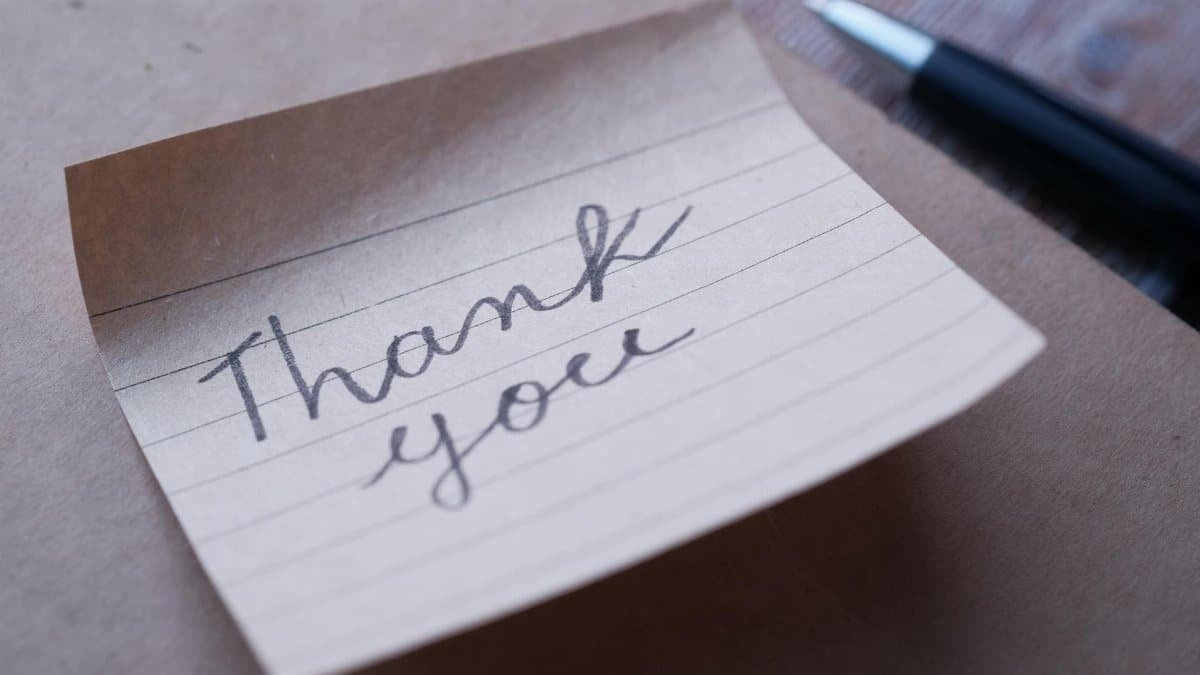
Gratitude journals fill bookshelves, but for sunday anxiety, keep it micro: three quick notes on what went well this weekend. A good meal, time with family, a favorite show. Scribble on a sticky note or phone app. Studies from the Greater Good Science Center at UC Berkeley show this practice rewires negativity bias, fostering optimism. It shifts perspective from loss, the weekends end, to gain. Middle aged professionals, juggling careers and homes, find this especially potent. Ninety seconds later, the spiral halts, replaced by appreciation that carries into Monday.
Preview Mondays Wins

Instead of doom scrolling emails, spend three minutes listing tomorrows top two priorities and one small win you anticipate, like a lunch break or team meeting insight. This proactive step demystifies the week, reducing ambiguity fueled sunday anxiety. Productivity experts at Harvard Business Review advocate such mental rehearsals for confidence. Visualize success briefly. Parents report it helps balance work and family pull. By framing Monday as opportunity, not threat, the habit dissolves dread, turning evenings productive and poised.
Step Outside for Fresh Air

A five minute walk around the block disrupts rumination. Fresh air oxygenates the brain, sunlight cues serotonin, even at dusk. Urban dwellers in cities like New York swear by this to combat sunday anxiety amid concrete jungles. The Journal of Environmental Psychology links nature exposure to anxiety drops. Leave phone behind; notice leaves rustling, neighbors chatting. Movement clears mental fog, physical rhythm soothes nerves. Returning refreshed, the nights weight lifts, sleep improves, priming a stronger start tomorrow.
Silence Notifications
Screens amplify sunday anxiety with endless pings and previews. Set devices to do not disturb for thirty minutes, or until bedtime. This digital detox creates mental space. Data from Pew Research shows average adults check phones 144 times daily; evenings compound stress. Reclaim time for reflection. Many find thoughts settle, worries fade without constant input. In a connected age, this boundary asserts agency, quieting the external noise that fuels inner turmoil.
Brew a Soothing Herbal Tea

Chamomile or peppermint tea, steeped for four minutes, offers ritual and warmth. Caffeine free, these herbs contain compounds like apigenin that mildly sedate, per herbal medicine reviews in Phytotherapy Research. Holding the mug grounds senses, sipping slows pace. For those battling sunday anxiety after busy weekends, its a gentle anchor. Add honey if desired. This habit evokes comfort, signaling wind down, easing bodies into rest mode naturally.
Perform a Gentle Neck Stretch
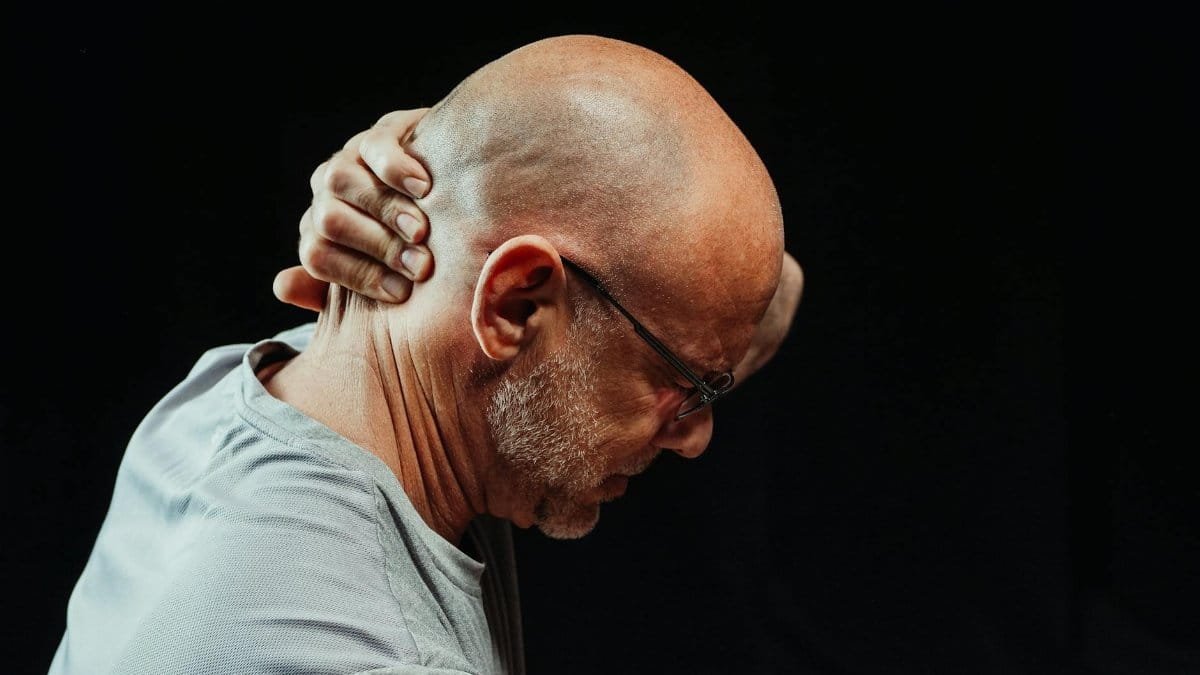
Tension lodges in shoulders and neck during stress. Roll head side to side, ear to shoulder, ten times each way. Follow with shoulder shrugs. Two minutes total releases knots from hours hunched over work previews. Physical therapists recommend this for desk bound professionals prone to sunday anxiety. Blood flows freer, endorphins release. Feel immediate relief, posture improves, mind lightens. Its a body first approach, proving tension physical before mental.
Text a Friend One Positive
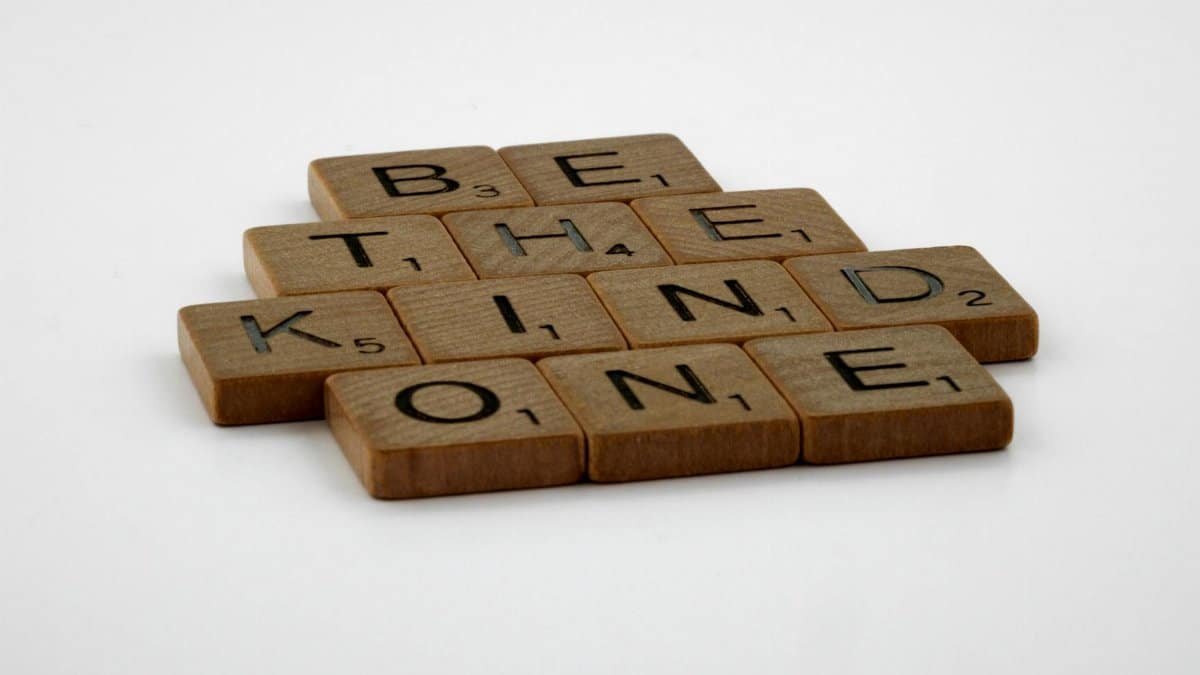
Reach out with a quick message: Share a weekend highlight or ask theirs. Connection combats isolation that sunday anxiety thrives on. Social support buffers stress, as outlined in APA guidelines. Brief exchanges remind of bonds beyond work. Middle aged readers value this amid evolving friendships. Response or not, sending lifts spirits, fosters reciprocity. In minutes, loneliness ebbs, replaced by warmth that fortifies against the week.
Read a Page of Fiction

Dive into a novel or short story for five minutes. Fiction transports, reducing amygdala activity linked to anxiety, per fMRI studies. Choose light reads like mysteries over heavy news. Libraries and apps abound. This escape hatch pulls from future worries into narrative now. Book lovers attest it halts spirals effectively. Emerging relaxed, perspective renews; sundays end not in dread, but story.
Lay Out Tomorrows Clothes

Select outfit, shoes, bag in two minutes. Visualizing readiness eliminates morning friction. This foresight ritual, favored by executives, shrinks decision fatigue. Sunday anxiety often stems from overwhelm; prep counters it. Place items visible. Parents with kids routines find it cascades calm. Accomplishment sense builds, sleep comes easier knowing starts set.
Dim Lights and Set Bedtime Alarm
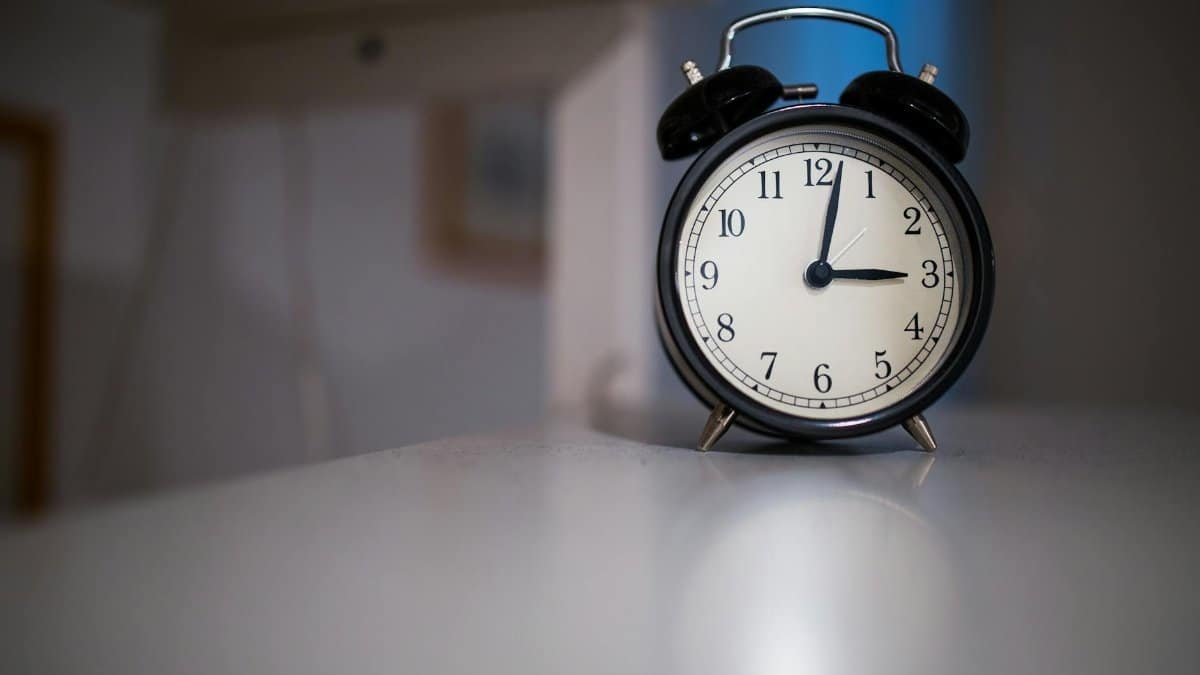
Lower lights, set a gentle alarm twenty minutes hence for final wind down. Blue light suppresses melatonin; dimming cues sleep. Sleep Foundation research ties poor prep to heightened anxiety. This caps evening positively. Reflect briefly on progress. Habit closes loop, preventing late spirals. Wake renewed, monday manageable. Mastering sunday anxiety lies in these tiny pivots toward peace.