

Local government leaders across Florida are raising urgent alarms, pressing state lawmakers to overhaul a controversial new measure that’s handcuffing their ability to plan for the future. At the heart of the dispute is the florida home rule law embodied in Senate Bill 180, which prohibits municipalities from implementing any restrictive planning policies until at least 2027. This restriction, advocates say, is blocking critical steps to bolster flood defenses, expand affordable housing, and safeguard fragile wildlife areas as unchecked residential growth surges forward. With time ticking down ahead of the legislative session, the plea underscores a deepening rift between state oversight and local needs,as reported by Central Florida Public Media.
The Roots of the Home Rule Restriction
Senate Bill 180 represents a sharp pivot in Florida’s approach to local governance, imposing a firm moratorium on restrictive planning measures by cities and counties. This florida home rule law curbs the traditional authority municipalities have wielded to tailor land-use decisions to their unique circumstances. Until 2027 at the earliest, officials cannot enact policies that might slow or shape development in ways deemed too stringent. Proponents of the bill framed it as a way to streamline growth, but critics now highlight how it’s paralyzing proactive responses to pressing environmental and social challenges.
Local Leaders Sound the Alarm

From coastal counties to inland communities, Florida’s local government heads are uniting in a chorus of frustration. They’re lobbying lawmakers with intensity, arguing that the current framework under Senate Bill 180 is not just inconvenient but actively harmful. The push for amendments stems from a shared conviction that without flexibility, their regions can’t keep pace with evolving threats. This collective urgency reflects broader tensions in states where home rule traditions clash with centralized mandates, leaving leaders feeling sidelined in their own backyards.
Flooding Protections Hamstrung by Delay

One of the most immediate casualties of this florida home rule law is the ability to strengthen flooding safeguards. Florida’s low-lying geography and frequent storms demand robust local strategies, yet Senate Bill 180 ties officials’ hands until 2027. Advocates emphasize that without the power to adopt targeted planning restrictions, counties struggle to mandate elevated structures, wetland buffers, or drainage improvements in high-risk zones. This freeze comes at a precarious moment, as intensifying weather patterns amplify vulnerabilities that local policies could otherwise mitigate.
Affordable Housing Stalled in Growth Hotspots
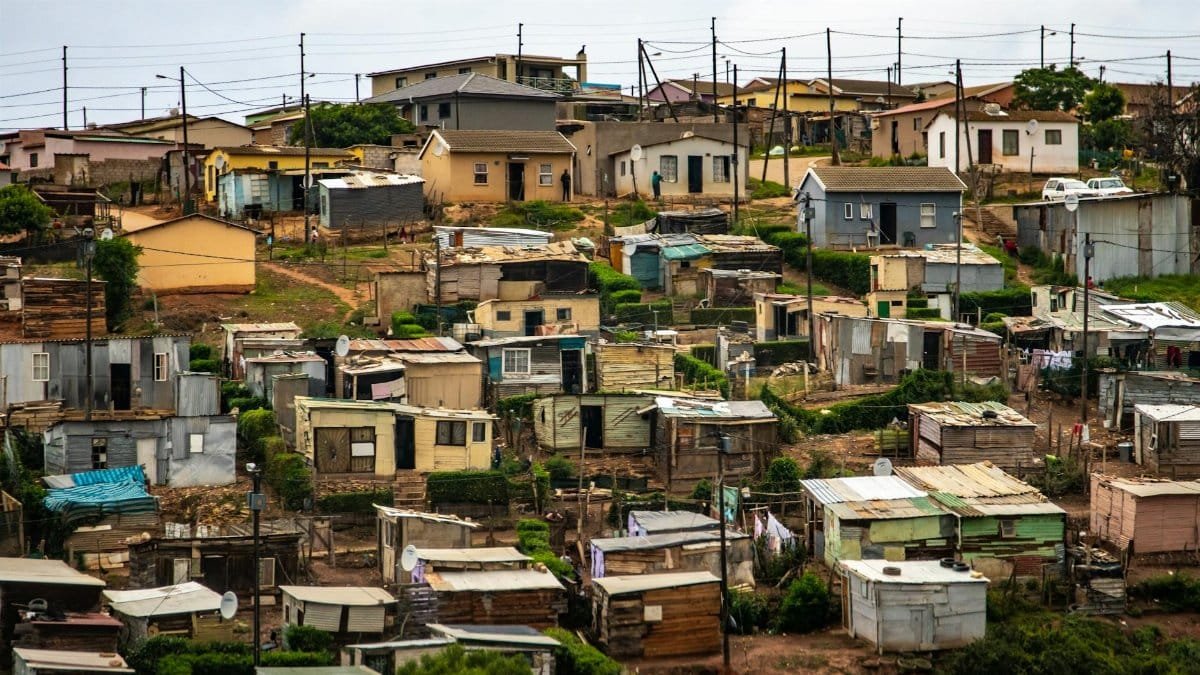
The legislation’s reach extends to housing, where rapid residential expansion has outstripped supply for working families. Senate Bill 180 prevents municipalities from using restrictive measures to prioritize affordable units or density controls that could foster mixed-income developments. Local leaders argue this bottleneck exacerbates shortages, forcing counties to watch helplessly as market-driven builds dominate. In a state grappling with population booms, the inability to steer growth toward inclusive housing options underscores a policy misstep with real human costs.
Wildlife Habitats Under Siege

Vulnerable ecosystems hang in the balance as Senate Bill 180 blocks protections for wildlife habitats. Amid sprawling residential projects, counties can’t impose land-use rules to preserve mangroves, wetlands, or upland forests that serve as critical buffers and biodiversity havens. Advocates warn that this florida home rule law is accelerating habitat fragmentation, where once-contiguous natural areas give way to subdivisions. The result is a quiet erosion of the environmental resilience that Florida’s wildlife depends on, with local governments sidelined from meaningful intervention.
The Surge of Residential Development

Florida’s residential boom is the unrelenting backdrop to this debate, fueling both economic vitality and strain. Senate Bill 180’s restrictions arrive just as demand for housing skyrockets, driven by migration and job growth. Without local tools to guide this expansion—such as limits on sprawl or incentives for sustainable builds—counties face a deluge of projects that prioritize speed over stewardship. This dynamic amplifies every challenge, from flood risks in new builds to the pressure on habitats and housing affordability.
Why Lawmakers Must Act Now

The timeline imposed by Senate Bill 180—stretching to 2027—feels interminable to those on the ground. Local advocates contend that waiting exacerbates problems that compound daily, turning manageable issues into crises. They’re urging swift amendments to restore a measure of home rule flexibility, allowing tailored responses without upending state goals. As the legislative window narrows, the question looms: Will Florida’s lawmakers heed the call before irreversible damage sets in?
Navigating the Path Forward for Home Rule

Resolving the impasse over this florida home rule law will test Florida’s balance between state uniformity and local innovation. Senate Bill 180’s intent to foster development hasn’t quelled concerns that it’s swung too far, stifling essential policies. By amending it, lawmakers could empower communities to address flooding, housing, and habitats head-on, amid the residential tide. The debate highlights enduring questions about governance in a fast-changing state, where local insights often prove vital. For now, leaders remain steadfast, betting that targeted changes can realign priorities with reality.