
Is the golden honey in your plastic bear bottle the real deal, or just sweetened impostor? Food fraud investigations announced on February 5, 2026, expose a harsh reality: many cheap brands sold in those iconic squeeze bottles are ultra-filtered and diluted with corn syrup to slash costs. A simple fake honey test highlights this adulteration, urging consumers to read labels closely before buying. These findings spotlight ongoing battles against deceptive food practices in U.S. supermarkets.
Food Fraud Hits Honey Shelves
Investigators delving into food fraud have zeroed in on honey products. Their probes reveal widespread issues among budget-friendly options. Cheap brands dominate grocery aisles, promising natural sweetness at low prices. Yet, analysis shows these often fall short of pure honey standards. The February 5, 2026, report drives home the need for vigilance. Consumers face a market flooded with questionable goods, where cost-cutting trumps authenticity.
Plastic Bears Hide a Secret
Those familiar plastic bear bottles signal convenience and tradition. They evoke childhood memories and easy drizzling over toast. But investigations uncover a downside. Many cheap honeys in these containers undergo ultra-filtration. This process strips away natural pollen and flavors, leaving a blank canvas for additives. Corn syrup steps in to bulk up volume and mimic texture. Sold nationwide, these bears pack more filler than flower nectar.
Ultra-Filtered: What It Means

Ultra-filtration sounds technical, but it’s a red flag in honey production. This method pushes honey through fine filters at high pressure. It removes pollen, proteins, and wax—hallmarks of genuine bee-made product. The result? A clear, shelf-stable liquid that stretches further for manufacturers. Food fraud probes confirm cheap brands rely on this to meet demand cheaply. Purity suffers as natural elements vanish, paving way for syrup blends.
Corn Syrup Enters the Mix
Corn syrup, a staple sweetener, infiltrates honey supplies. Producers cut genuine honey with it to lower expenses dramatically. The mixture flows like honey, tastes similar, and costs pennies per jar. Investigations pinpoint this tactic in many plastic bear varieties. High-fructose corn syrup blends seamlessly, fooling casual buyers. This adulteration boosts profits while shortchanging nutrition. U.S. trends in 2026 show no slowdown in such practices amid rising import pressures.
Cheap Brands Under Fire
Budget honey brands bear the brunt of scrutiny. Aimed at price-conscious shoppers, they line discount shelves. Food fraud teams tested samples rigorously. Findings? Ultra-filtration and corn syrup dominate these lines. Manufacturers prioritize volume over quality, flooding markets with imitations. The 2026 revelations echo long-standing concerns, as detailed in federal oversight reports like the GAO analysis of honey imports. Consumers must navigate this minefield daily.
Read the Label First

“Read the label” emerges as the key defense. Investigations stress checking ingredients and processing claims. Pure honey lists one item: honey. Spot ultra-filtered mentions or vague sweeteners? Walk away. Plastic bear packaging often glosses over details in fine print. Educated buyers spot discrepancies fast. This simple step combats fraud, ensuring breakfast spreads deliver true bee goodness. In 2026, label literacy stands as essential consumer armor.
Fake Honey Test Basics
A fake honey test cuts through deception. Investigators deploy lab methods mirroring home checks. Dissolve a drop in water: real honey clumps, fakes dissolve quick. Thumb press reveals stickiness—pure clings, adulterated slips. These align with fraud findings on ultra-filtered, syrup-laced bears. While pros use spectrometers, basics empower shoppers. The 2026 report validates such tests, exposing corn syrup dilutions in cheap brands. Try it on your next bottle.
Impacts on U.S. Consumers
Adulterated honey ripples through American kitchens. Families pour corn syrup unknowingly into tea, yogurt, and recipes. Nutritional perks like antioxidants fade with dilutions. Cheap brands lure with deals, but deliver lesser value. Food fraud erodes trust in everyday staples. 2026 data underscores persistent vulnerabilities, as tracked by watchdogs like Food Safety News honey coverage. Shoppers pay full price for partial product.
Push for Better Oversight

February 5 announcements signal ramped-up enforcement. Food fraud investigations demand transparency from producers. Calls grow for stricter labeling on ultra-filtration and additives. Corn syrup cutters face potential recalls and fines. U.S. regulators eye import chains, where cheap honey originates. Consumers benefit from heightened awareness. This momentum promises cleaner shelves ahead, protecting plastic bear buyers from ongoing scams.
Steps to Authentic Honey
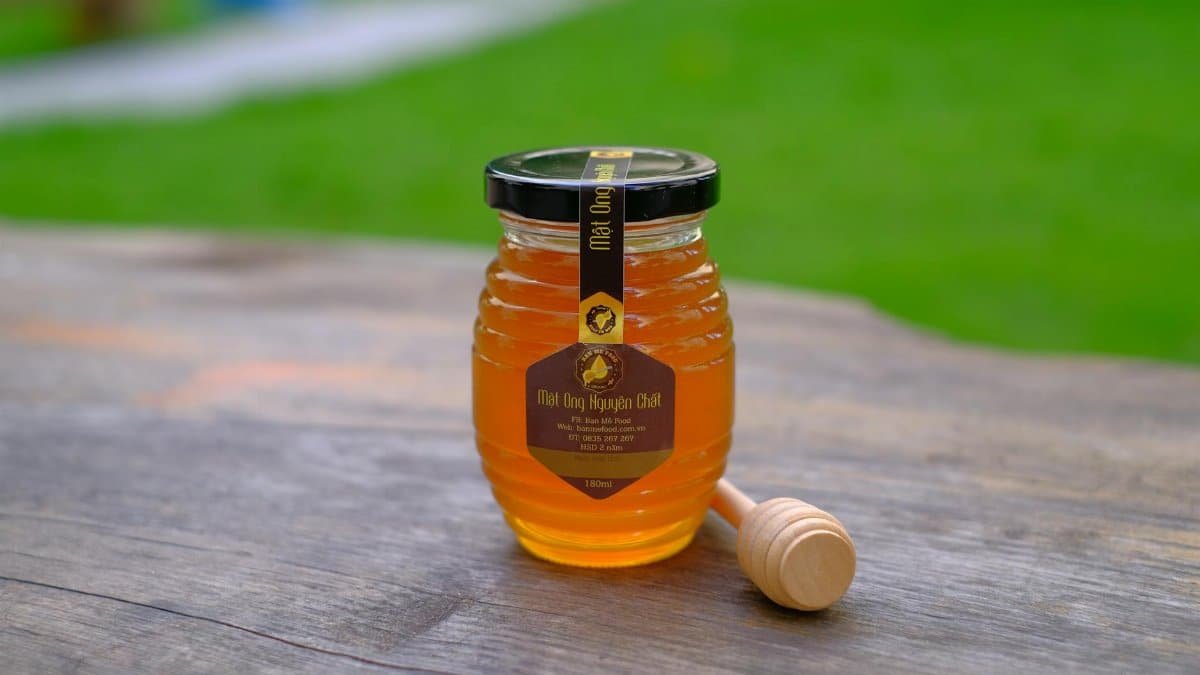
Seek raw, unfiltered options from local apiaries. Farmers’ markets offer pollen-rich jars sans syrup. Verify certifications for purity. Ditch bargain bears if labels raise doubts. Fake honey test at home confirms suspicions. These habits align with 2026 fraud insights, favoring quality over quantity. True honey supports bees and delivers flavor. Informed choices restore confidence in the sweetener aisle.