
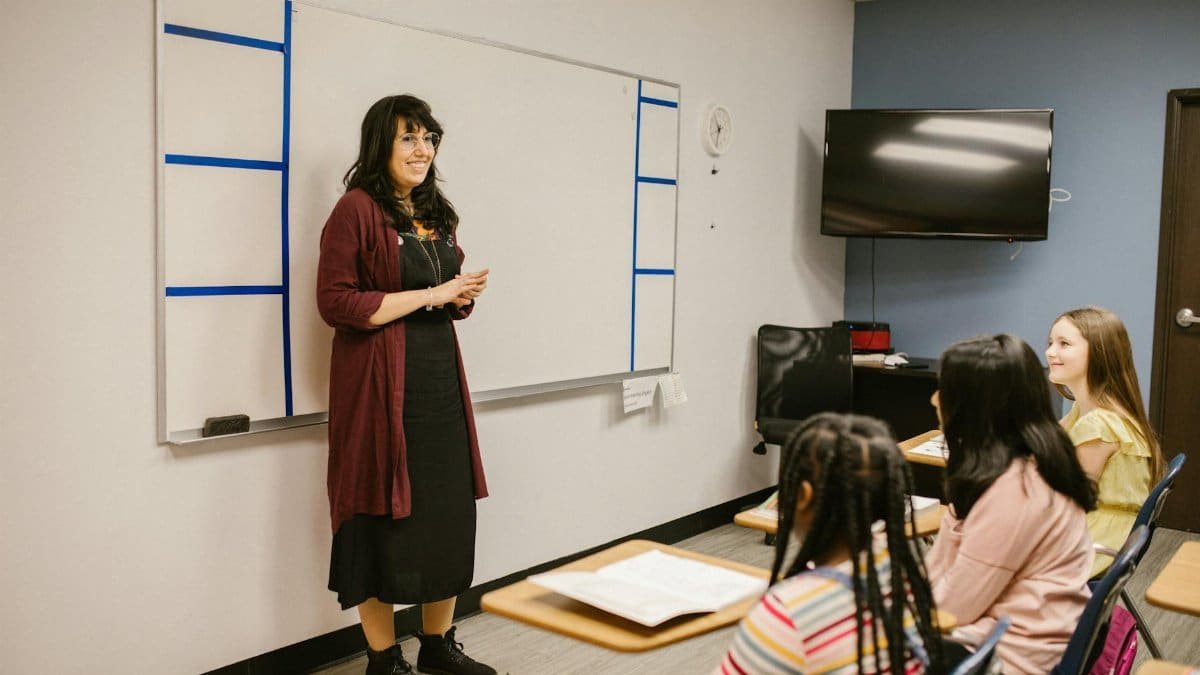
February 17, 2026 – Teachers across U.S. classrooms face a stark reality: iPad kid behavior has turned lessons into battles for attention. These screen-raised children can’t sit still, disrupting the flow of traditional learning. Educators report a generation struggling with basic tasks, like gripping a pencil, due to underdeveloped fine motor skills. The alarm is clear. Schools grapple with restlessness that hinders progress.
Teachers Raise the Red Flag

Educators stand united in their concerns. They describe daily chaos as iPad kids fidget endlessly. Classrooms buzz with movement, not focus. Teachers note this behavior stems from constant screen exposure. Simple instructions fall flat amid the unrest. The issue hits hard in early grades, where sitting still forms the foundation of learning. Frontline reports paint a picture of exhausted instructors fighting an uphill battle.
The Screen-Raised Generation Emerges

iPad kids grew up with tablets as constant companions. Screens replaced hands-on play from toddler years. This shift reshaped development. Devices demand swipes and taps, not precise grips. Teachers observe the fallout: a cohort wired for digital interaction over physical control. Early immersion builds habits that clash with school demands. The result shows in every wiggly desk.
Restlessness Takes Over Classrooms

They can’t sit still. That’s the core complaint. iPad kid behavior manifests as nonstop motion. Kids bounce, twist, and wander during lessons. Teachers struggle to maintain order. This hyperactivity disrupts peers and stalls group work. Traditional seating arrangements fail against such energy. Educators link it directly to screen dominance, where passive viewing trumps active engagement. Calm focus feels foreign.
Fine Motor Skills Fall Short

A key deficit stands out: fine motor skills. Holding a pencil proves challenging. Fingers untrained by screens fumble the task. Teachers watch as writing turns frustrating. Letters wobble; grips slip. This gap widens with age, affecting note-taking and art. Screen habits prioritize broad gestures over delicate control. The classroom pencil becomes a symbol of lost basics. Development stalls without intervention.
Health experts echo these observations. The American Academy of Pediatrics Media Use Guidelines highlight how excessive early screen time can impact physical development, urging limits to foster motor skills.
Pencil Grip Becomes a Battleground

The pencil symbolizes the struggle. iPad kids grasp it awkwardly. Thumbs overpower; control lacks. Teachers spend extra time on basics, delaying core curriculum. Handwriting lags behind expectations. Screens bypass this skill, favoring touch interfaces. Now, classrooms pay the price. Frustration builds for students and staff alike. Remediation eats into teaching hours, spotlighting the screen effect.
Classroom Control Slips Away

Uncontrollable defines the scene. Teachers report losing authority to restlessness. iPad kid behavior overrides routines. Transitions between activities spark mayhem. Group projects crumble under distraction. Discipline measures prove ineffective against ingrained habits. Schools adapt with movement breaks, yet challenges persist. The traditional model strains under this pressure. Educators call it a generational shift demanding response.
Roots in Early Screen Exposure

Screens start young. Tablets entertain infants, shaping neural paths. Fine motor practice gets sidelined. Swiping builds different muscles. Teachers see the long-term toll: kids entering school unprepared. iPad dominance crowds out crayons, blocks, and books. Physical literacy suffers. This foundation gap echoes through grades. Awareness grows as patterns solidify.
Federal resources align with teacher insights. The CDC Positive Parenting Tips for Child Development stress active play for motor skill building, noting sedentary screen time’s risks.
Broader School Impacts Unfold

The ripple effects hit learning outcomes. Restless kids absorb less. Writing deficits slow progress. Teachers divert energy to management. Class morale dips amid constant disruption. iPad kid behavior challenges equity, as some adapt faster. Schools nationwide feel the strain in 2026. Resources stretch thin. The alarm urges systemic looks at tech in homes.
Educators Demand Action
Teachers push for change. They advocate balanced screen policies. Training in motor skill support gains traction. Awareness campaigns target parents. Classrooms test pencil alternatives, like adaptive grips. Yet core issues persist without home shifts. The iPad kid era tests resolve. Educators remain vocal, framing it as an urgent education pivot. Solutions brew amid the unrest.