

Beige flags aren’t deal-breakers. They’re just… off. On February 11, 2026, TikTok users declared these boring or odd quirks—like eating pizza with a fork—the new benchmark for sizing up partners. No longer just red flags for toxicity, beige flags spotlight the mundane weirdness that tests compatibility. This viral shift has daters rethinking what makes a match click, turning everyday habits into relationship X-rays. As videos rack up millions of views, the trend exposes how the seemingly trivial can reveal deeper mismatches.
Beige Flags Defined

Beige flags mark behaviors that fall short of alarming but still grate. Think neutral tones: neither vibrant green for go nor crimson for stop. The term captures actions too bland or peculiar to ignore, yet harmless on the surface. TikTok has popularized this as a relationship test, where partners’ quirks become conversation starters—or silent deal reconsiderations. Unlike glaring warnings, these flags wave subtly, prompting users to question long-term fit.
Not Red, Just Weird

The distinction hits home in the trend’s core pitch: “It’s not a red flag, it’s just weird.” Red flags signal danger, like dishonesty or aggression. Beige flags, by contrast, highlight tedium or eccentricity. They invite scrutiny without panic, fostering discussions on compatibility. This nuance resonates in 2026’s dating scene, where post-pandemic singles prioritize authenticity over perfection. TikTok’s format amplifies it, with quick clips dissecting the ordinary into viral gold.
Pizza with a Fork: The Poster Child
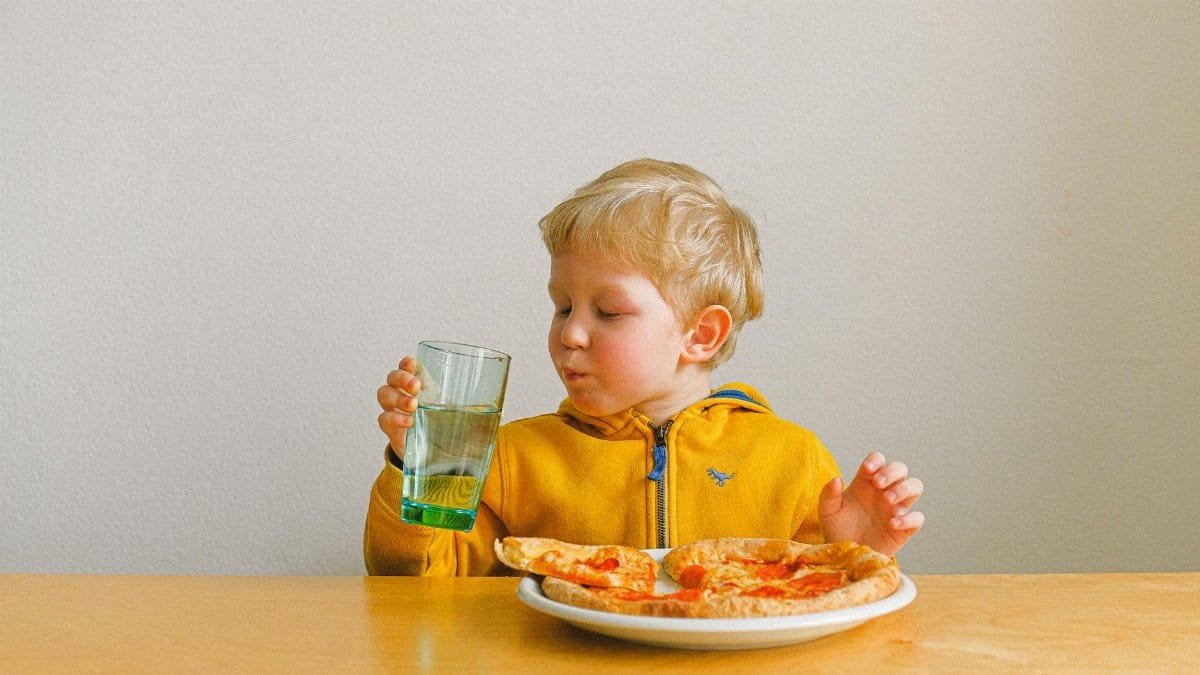
Eating pizza with a fork embodies the beige flag perfectly. It’s not unhygienic or rude—merely odd in a hands-on food culture. Videos showcase partners folding slices neatly or wielding utensils like formal dinners, sparking debates in comments. This example underscores the trend’s focus: habits that clash with norms, revealing lifestyle gaps. What one sees as quirky, another views as boring, making it a low-stakes litmus test for shared vibes.
TikTok’s Viral Engine
TikTok drives the beige flag explosion. Short-form videos tag partners in everyday scenarios, tallying likes on the weirdest flags. The platform’s algorithm pushes relatable content, turning niche observations into global chatter. By February 2026, searches for “beige flag” dominate feeds, with creators dueting clips to share their own. This user-generated wave positions TikTok as the arbiter of modern courtship signals. For deeper context on social media’s role in relationships, see TikTok’s official newsroom.
From Quirk to Relationship Test
Beige flags elevate minor traits to compatibility checks. Users post about partners who alphabetize spice racks or insist on socks in bed—behaviors that bore or baffle without harm. The test lies in reactions: amusement fosters connection, while irritation hints at mismatch. This approach democratizes dating advice, bypassing therapists for crowd wisdom. In 2026 U.S. trends, it reflects a craving for substance amid swipe fatigue, as noted in broader online dating patterns from Pew Research Center.
Why Boring Traits Matter Now

In an era of curated profiles, beige flags pierce the polish. They expose unfiltered selves, like methodical grocery unpacking or aversion to spontaneity. TikTok thrives on these revelations, with trends evolving weekly. Daters report using them to gauge emotional sync early, avoiding future letdowns. The appeal? They’re relatable, sparking empathy or exit strategies without drama. This subtle vetting tool aligns with 2026’s emphasis on sustainable partnerships over fireworks.
Cultural Shift in Partner Scrutiny

Beige flags signal a pivot from extremes to everyday evaluation. Past trends fixated on red flags amid #MeToo awareness. Now, the beige variety humanizes dating, acknowledging nobody’s flawless. TikTok’s youth demographic leads, but it ripples to all ages via shares. Videos dissect flags like over-explaining jokes or flavorless coffee orders, normalizing quirk audits. This fosters healthier dynamics, where weirdness becomes a feature, not a bug.
Implications for Modern Dating

As beige flags dominate feeds, they reshape expectations. Partners now self-audit habits, prepping defenses or reforms. The trend empowers observers to voice discomfort lightly, strengthening communication. Critics call it nitpicking; proponents see empowerment. Either way, it’s taking over, with pizza-fork clips alone inspiring response videos. In U.S. culture, this underscores a quest for alignment in minutiae, vital for enduring bonds amid rising singledom rates.
The beige flag trend proves small things loom large in love. TikTok’s grip ensures its staying power into 2026 and beyond, challenging daters to embrace—or evade—the beige.