

Touch a receipt after shopping, and you might absorb a hormone-disrupting chemical through your skin in seconds. A new study released on February 16, 2026, confirms thermal paper receipts are coated in BPA. This everyday item, known as bpa receipts in consumer warnings, poses a hidden risk during routine transactions. Researchers emphasize immediate handwashing to limit exposure. The findings reignite concerns over chemical safety in retail practices across the U.S.
New Study Spotlights Receipt Risks
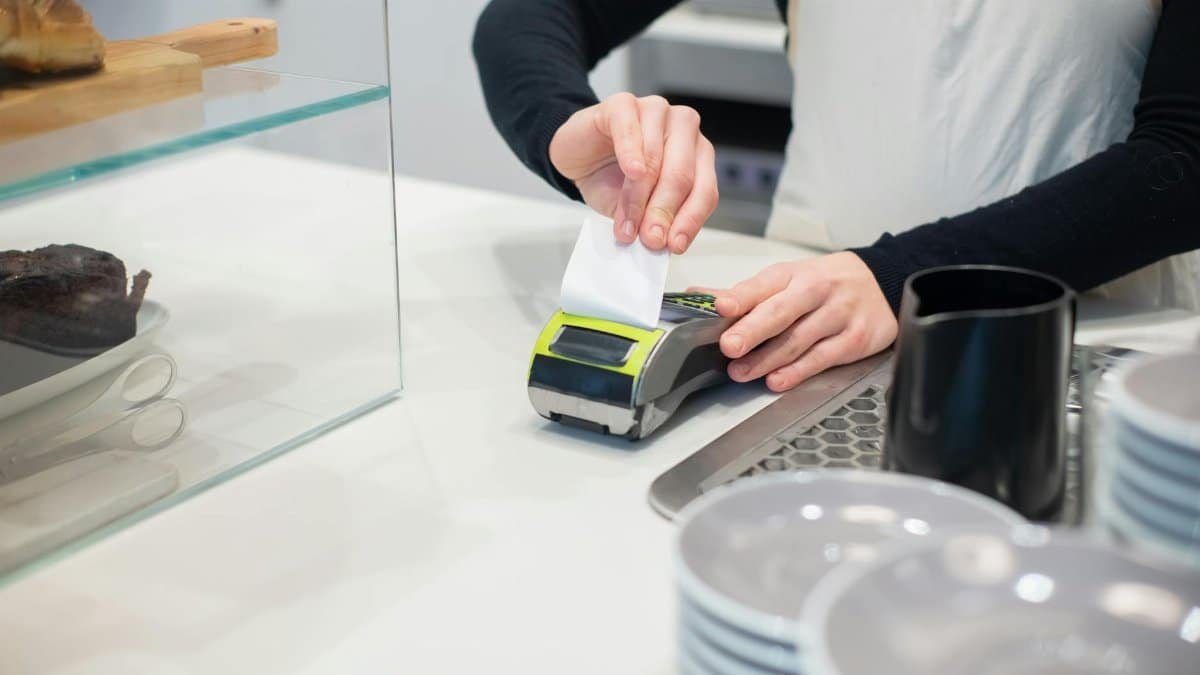
The study, dated February 16, 2026, delivers clear evidence on thermal paper receipts. It verifies that these common slips are coated with BPA, or bisphenol A. This chemical transfers directly from the paper to human skin. Shoppers handle receipts multiple times daily, amplifying potential contact. The research underscores how quickly absorption occurs, urging vigilance in daily habits. U.S. consumers, who receive billions of such receipts yearly, face repeated exposure points at checkout lines nationwide.
Thermal Paper’s BPA Coating Explained
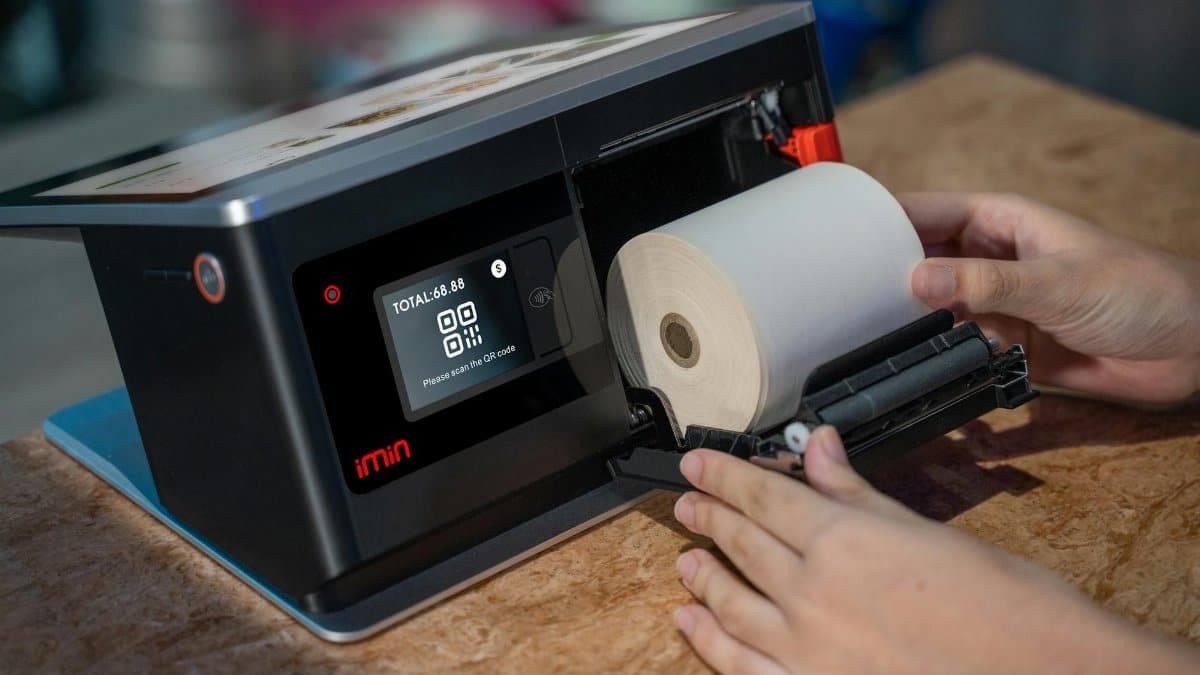
Thermal paper powers most point-of-sale receipts. Its surface relies on BPA as a developer to produce printed text when heated. This coating makes receipts shiny and smooth. The study confirms high BPA levels on these surfaces. Handling them bare-handed allows the chemical to rub off easily. In 2026, with cashless trends rising, paper receipts persist in many stores, maintaining this exposure pathway for millions.
BPA as a Hormone Disruptor

BPA mimics estrogen, a key hormone. The study labels it a hormone-disrupting chemical. This interference can affect bodily functions regulated by hormones. Fingertip absorption introduces BPA into the bloodstream rapidly. Long-term implications tie to endocrine systems. For details on BPA’s effects, see the National Institute of Environmental Health Sciences fact sheet. U.S. health agencies have tracked this chemical for years.
Skin Absorption Happens in Seconds

The study’s key revelation: BPA penetrates skin almost instantly. Fingertips, with thin barriers, absorb it within seconds of contact. No cuts or abrasions needed. Wet hands or lotions speed uptake further. Shoppers crumple receipts or pocket them, prolonging touch. This fast transfer means exposure starts at the register. The 2026 findings validate prior lab tests on dermal penetration.
Daily Shopping Heightens Exposure

Americans shop frequently, grabbing receipts at groceries, gas stations, and retailers. Each touch adds BPA dose. The study ties this to cumulative risk from bpa receipts. Families with multiple shoppers compound household exposure. In urban areas, high transaction volumes mean more contacts. Rural spots see it too, from farm supply stores to diners. Routine errands turn into chemical encounters.
Wash Hands Immediately After

The study’s advice is straightforward: wash hands after shopping. Soap and water remove BPA residue before absorption peaks. Do this before eating or touching face. Avoid hand sanitizers alone; they may not suffice. Retailers could post reminders at checkouts. This simple step cuts risk from thermal receipts. Public health messages in 2026 stress this post-study.
Health Warnings Gain Traction

Hormone disruption from BPA raises red flags. The study prompts renewed scrutiny of consumer products. U.S. shoppers now question everyday papers. Exposure via skin adds to dietary sources. Vulnerable groups, like pregnant women, face extra caution. For regulatory context, review the FDA’s page on bisphenol alternatives. Calls echo for awareness in daily life.
Toward Safer Receipt Practices
The 2026 study fuels discussion on alternatives. BPA-free thermal paper exists, using substitutes. Some chains test digital receipts via apps. Email or text options reduce paper handling. Retail shifts could phase out coated thermal stock. Until widespread, handwashing remains key. Consumers drive change by opting for digital where possible. This revelation spotlights bpa receipts as a fixable flaw in shopping norms.
By Natasha Weber