
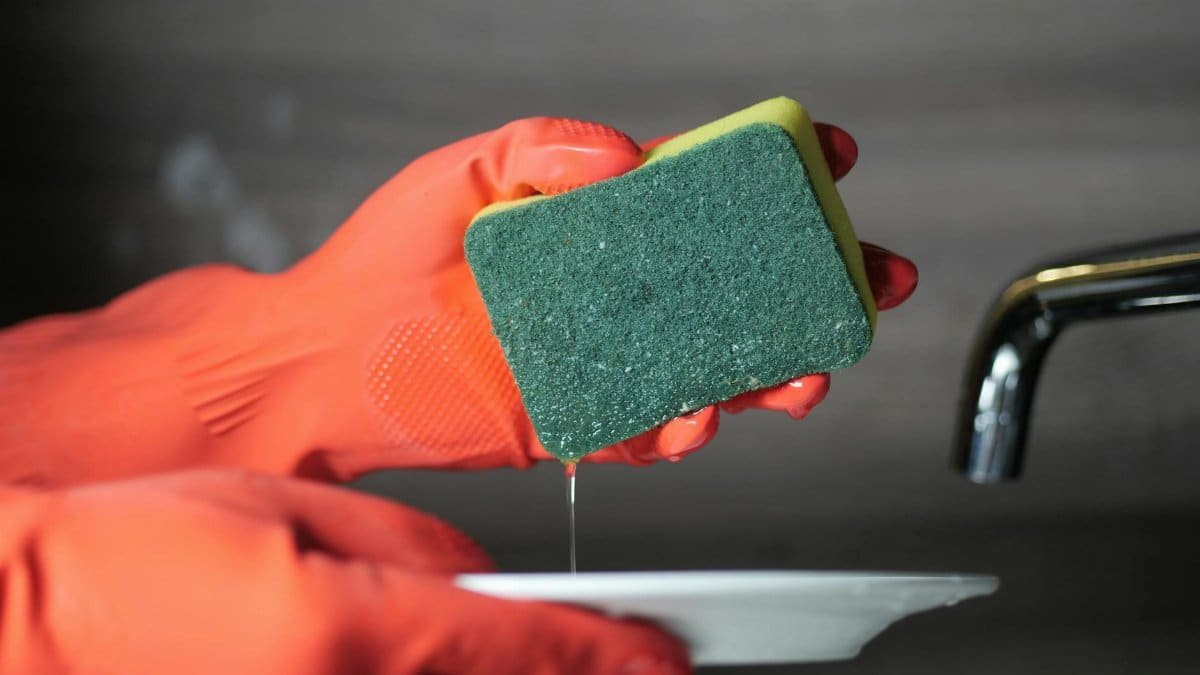
Microbiologists have a stark warning for home cooks: the humble kitchen sponge harbors more E. coli bacteria than your toilet seat, making it the dirtiest item in your home. This revelation, dated February 13, 2026, urges a simple switch to brushes for dishwashing. Kitchen sponge bacteria thrive in the moist, food-trapping pores, posing unseen hygiene risks right at the sink. Experts emphasize that ditching sponges could slash bacterial loads dramatically.
The Microbiologists’ Alert

Microbiologists are sounding the alarm on a household staple. Their findings pinpoint the kitchen sponge as the prime bacterial hotspot. Unlike other surfaces, sponges retain moisture and organic scraps, creating ideal conditions for E. coli proliferation. This isn’t mere speculation—it’s a direct comparison showing higher E. coli counts than on toilet seats, which get regular sanitizing attention.
Why Sponges Top the Dirt Chart

What makes the kitchen sponge the dirtiest? Its spongy structure absorbs water, dish soap residues, and food particles. Bacteria like E. coli embed deeply, multiplying unchecked. Toilets flush away contaminants, but sponges stay damp between uses, fostering growth. The warning underscores this disparity: sponges outpace even high-traffic bathroom fixtures in harboring harmful pathogens.
E. coli: The Hidden Threat

E. coli bacteria in kitchen sponges represent a serious contamination risk. These microbes can survive dishwashing routines and transfer to clean plates, utensils, and hands. While toilet seats carry E. coli from waste, microbiologists note sponges accumulate more due to constant kitchen exposure. Cross-contamination here could lead to foodborne issues, amplifying everyday hygiene concerns.
Direct Comparison to Toilet Seats
Picture the irony: your toilet seat, often vilified for germs, actually fares better. Microbiologists’ analysis reveals kitchen sponges host higher E. coli levels. Toilets benefit from bleach and drying cycles, while sponges remain soggy sponges for bacteria. This 2026 update reframes home cleaning priorities, spotlighting sinks over bathrooms.
Health Implications for Families
In U.S. homes, where dishwashing is routine, kitchen sponge bacteria could quietly undermine health. E. coli exposure risks stomach upset or worse, especially for vulnerable groups. The microbiologists’ caution highlights how a tool meant to clean becomes a vector. Regular replacement falls short; the structure itself invites trouble.
The Push for Brushes

“Use a brush instead,” the experts advise plainly. Brushes lack the absorbent pores that trap kitchen sponge bacteria. They dry quickly, denying E. coli a moist haven. Rigid bristles scrub effectively without retaining debris, offering a hygienic upgrade. This shift aligns with emerging 2026 trends toward simpler, safer tools.
Practical Tips from the Warning

Implementing the switch is straightforward. Opt for nylon or plastic brushes designed for dishes. Rinse thoroughly after each use and air-dry upright. Microbiologists stress avoiding sponges altogether to sidestep E. coli buildup. For those attached to sponges, the message is clear: they’re outmatched by even toilet seats.
Broader Hygiene Wake-Up Call
This revelation extends beyond sponges. It prompts scrutiny of other damp kitchen items. In 2026, as hygiene awareness rises amid health campaigns, microbiologists’ findings reinforce proactive habits. Kitchen sponge bacteria exemplify how overlooked spots breed trouble, urging vigilance across U.S. households.
Supporting research backs these claims. A study highlighted by the National Sanitation Foundation (NSF) confirms sponges harbor massive bacterial loads, often exceeding other surfaces. Similarly, peer-reviewed work in Scientific Reports details the diverse, resilient microbes in sponges, including pathogens like E. coli, far surpassing typical toilet contaminants.
The bottom line from February 13, 2026: toss the sponge, grab a brush, and reclaim your sink’s safety. Microbiologists’ warning delivers a punchy hygiene hack with immediate impact.