

Were you the “easy” one in your family? On February 16, 2026, a spotlight hit “glass child syndrome,” the viral psychology concept capturing the hidden emotional scars borne by siblings whose parents poured all their energy into a child with greater needs. These “glass children” often fade into the background, their own struggles unseen amid the chaos. As discussions explode online and in therapy rooms across the U.S., this trauma trend is reshaping how we view family dynamics and childhood wounds.
What Is Glass Child Syndrome?

Glass child syndrome names a specific kind of emotional neglect rooted in family imbalance. It spotlights the sibling who appears fine—the compliant, self-reliant one—while a brother or sister demands constant parental focus due to illness, disability, or crisis. This concept has surged in popularity, framing long-ignored pain as a legitimate psychological phenomenon. Experts note it resonates widely because it validates experiences many dismissed as minor gripes. In 2026 U.S. conversations, it’s no longer whispered; it’s trending as families unpack hidden legacies.
The “Easy” Child Trap

Parents often label the unaffected sibling as the “easy” one, praising their independence. But this label masks deep isolation. With mom and dad consumed by medical appointments, therapies, or daily caregiving for the needier child, the glass child’s needs—emotional support, playtime, guidance—slip through invisible cracks. The syndrome highlights how this dynamic fosters quiet resentment and self-suppression, turning a child’s natural adaptability into a survival strategy. Viral posts in early 2026 amplified real stories, thrusting the term into mainstream awareness.
Invisible Trauma Unpacked

Unlike overt abuse, glass child trauma thrives in silence. These kids learn early to minimize their presence, fearing they’ll burden overwhelmed parents. The result? Lifelong patterns of people-pleasing, perfectionism, and difficulty voicing needs. Psychologists describe it as “invisible” because outsiders see a stable family, missing the emotional voids. A Psychology Today analysis underscores how such children develop hyper-independence, often at the cost of authentic relationships. In 2026, U.S. therapy trends reflect this, with more adults seeking help for buried childhood invisibility.
Why Siblings Bear the Brunt

When one child requires all parental attention, the others adapt by stepping back. Glass child syndrome pinpoints this shift: the healthy sibling becomes a caretaker, cheerleader, or ghost. Parents, stretched thin, unintentionally prioritize the crisis, leaving the “easy” one to fend emotionally alone. This isn’t blame—it’s recognition of systemic strain. The viral wave since February 2026 has U.S. forums buzzing with nods of agreement, as shared anecdotes reveal patterns across diverse families facing chronic illness or disability.
Signs of Glass Child Experience
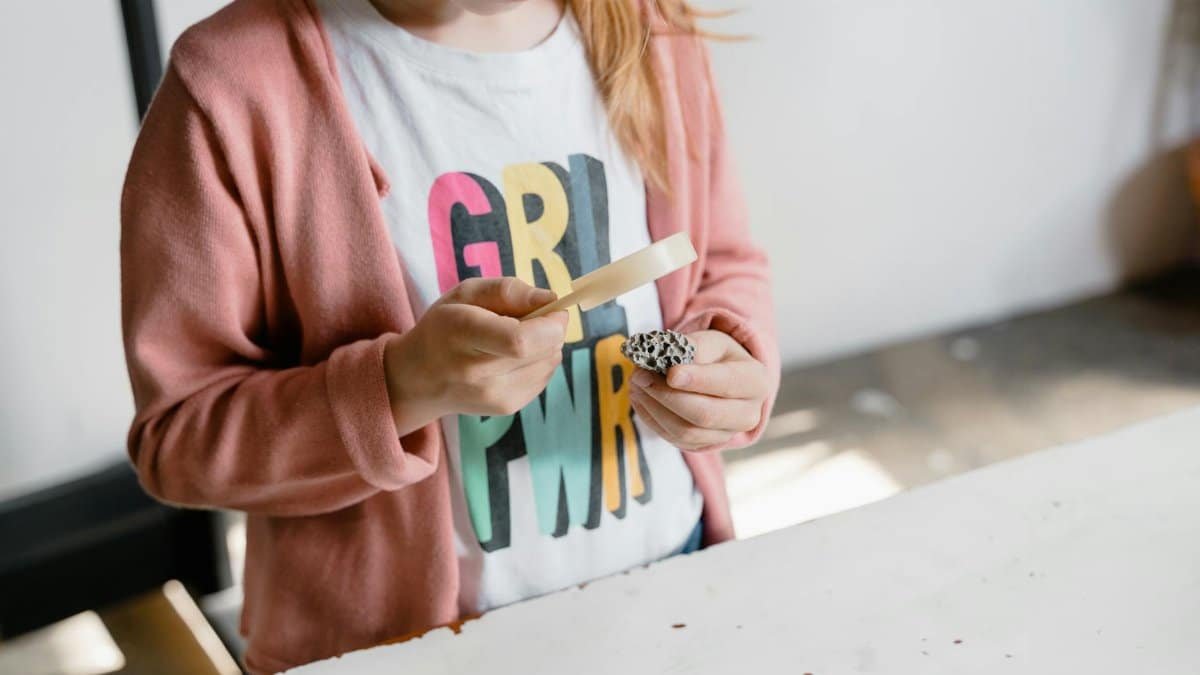
Common markers include feeling like a bystander in your own home, excelling academically to gain notice, or harboring unexplained anger toward the sibling or parents later in life. These children often parent themselves, mastering silence over sobs. The syndrome’s rise exposes how such traits persist into adulthood, fueling anxiety or relational struggles. Without intervention, the “easy” facade cracks under accumulated neglect. 2026 data from mental health platforms shows searches for the term spiking, signaling a U.S. reckoning with overlooked sibling pain.
Family Dynamics Under the Microscope

Parental attention isn’t infinite, and glass child syndrome illustrates the zero-sum game in imbalanced homes. The needier sibling’s demands—endless doctors, equipment, emotional labor—eclipse everyday parenting. The “easy” child internalizes this as their role, but trauma brews from unmet validation. This concept challenges U.S. cultural ideals of resilient kids, urging parents to scan for quiet suffering. As it went viral, discussions in 2026 highlighted prevention: scheduled one-on-one time, open family talks, and therapy to redistribute emotional resources.
Long-Term Ripples into Adulthood
Adults identifying as glass children report strained marriages, burnout from over-giving, and a core belief they’re unworthy of attention. The syndrome explains why the “easy” kid grows into someone who avoids vulnerability. In U.S. psychology circles this year, it’s fueling memoirs and support groups. A deeper Psychology Today piece links it to broader attachment issues, emphasizing early awareness as key to breaking cycles. February’s buzz has made healing conversations commonplace.
The Viral Surge Explained

Glass child syndrome exploded because it names the unnamed, offering language for pain without villainizing families. Social media in 2026 propelled it, with U.S. users sharing “Were you the easy one?” prompts that hit millions. Therapists report client upticks, as the concept demystifies why some thrive outwardly but ache inwardly. It’s not a clinical diagnosis but a framework gaining traction in American mental health, bridging personal stories to collective empathy.
Moving Forward for Families

Acknowledgment is step one: parents checking in with the “easy” child combats isolation. Siblings connecting via online communities fosters solidarity. In 2026 U.S. trends, glass child syndrome pushes proactive care—family counseling, sibling workshops—to prevent invisible wounds. Its virality signals progress: trauma once hushed now sparks change, helping the overlooked reclaim their space in the family narrative.