
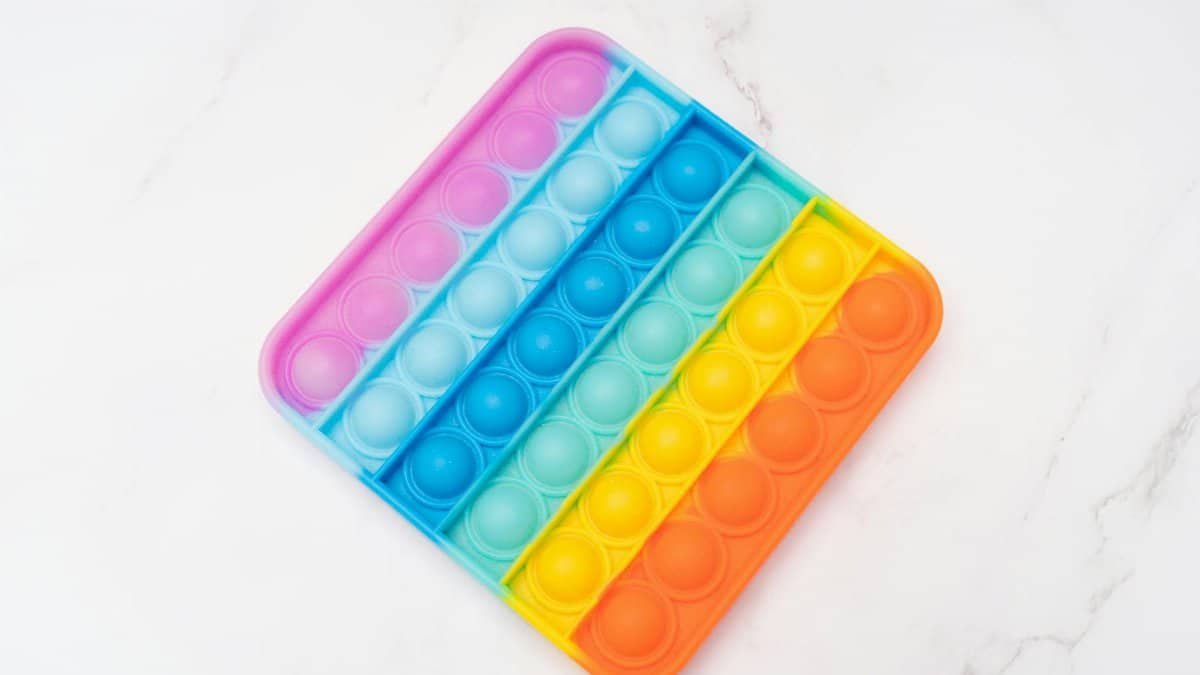
Shriners Burn Centers have issued a stark warning: microwaving “NeeDoh” stress toys can cause devastating facial burns in children. On February 9, 2026, the centers treated multiple kids for severe injuries linked to this dangerous trend. Dubbed “needoh toy burn” incidents, these cases highlight a viral fad turning playtime into emergency room visits. Parents are urged to discard the toys immediately to prevent further harm.
The Urgent Alert
Shriners Burn Centers released the alert on February 9, 2026, after handling a series of troubling cases. Medical staff reported treating multiple children who suffered severe facial burns from attempting to microwave NeeDoh stress toys. The message was blunt: “Throw them out.” This direct call to action underscores the immediate risk posed by these once-popular items. In 2026, as stress-relief gadgets flood the market, such warnings cut through the noise, prioritizing child safety.
NeeDoh Toys Go Viral
NeeDoh stress toys exploded in popularity through social media virality. These squishy, colorful balls promised endless squeezing for anxiety relief, captivating kids nationwide. But the trend took a dark turn when users experimented with microwaving them, likely chasing a puffed-up or glowing effect seen online. Shriners’ alert ties directly to this phenomenon, noting how viral challenges have led real-world consequences. U.S. parents in 2026 face a growing challenge: distinguishing fun fads from hidden dangers.
Severe Facial Burns Emerge

The injuries are no minor mishaps. Children presented with severe facial burns, the kind that demand specialized burn center care. Superheated materials inside the toys reportedly erupted upon microwaving, causing direct contact burns to delicate skin. Shriners staff emphasized the gravity, treating cases that could result in scarring or long-term complications. This pattern of needoh toy burn highlights how household appliances amplify toy hazards, turning kitchens into accidental hotspots.
Multiple Children Treated

It’s not isolated incidents. Shriners confirmed multiple children affected, signaling a cluster of similar mishaps. While exact numbers remain undisclosed in the initial alert, the repetition prompted the public advisory. Burn centers across the U.S., known for pediatric expertise, saw these cases converge, likely fueled by shared online videos. In early 2026, this uptick reflects broader trends in youth experimentation with viral hacks, demanding swift parental intervention.
Why Microwaving Spells Disaster
Microwaves heat unevenly, and NeeDoh toys aren’t designed for it. The toys’ gel-like filling expands rapidly under heat, potentially bursting and spewing scalding contents. Facial exposure occurs when kids hover close, expecting a fun transformation. Shriners’ experience with these burns reveals the explosive reaction’s speed—too fast for reaction. For more on microwave safety risks, see guidance from the FDA’s Microwave Oven Radiation page.
Shriners Burn Centers’ Expertise
Shriners Burn Centers stand as leaders in pediatric burn treatment, with facilities equipped for complex facial reconstructions. Their alert draws from frontline data, treating kids from diverse regions. Staff issued the warning to halt the trend before more arrive. This 2026 advisory builds on their history of public education, saving young lives through timely alerts. Parents can explore their burn prevention resources at Shriners Children’s Burn Care page.
Clear Call: Throw Them Out
The directive is unambiguous—dispose of NeeDoh toys now. Shriners advises against any microwaving attempts, even as experiments. Trashing them eliminates temptation, especially for curious children. This proactive step prevents needoh toy burn tragedies at home. In a year marked by gadget crazes, such commonsense measures resonate, urging families to check play areas routinely.
Parental Vigilance in 2026
Parents must monitor viral toy trends closely. NeeDoh’s appeal to stressed kids makes oversight essential. Discuss kitchen appliance rules and spot online dares early. Shriners’ alert serves as a 2026 wake-up call amid rising social media influences on youth behavior. Schools and pediatricians could amplify this, fostering safer habits nationwide.
Broader Implications for Toy Safety
Needoh toy burn cases spotlight gaps in viral product oversight. While toys pass initial safety checks, user modifications create blind spots. U.S. trends in 2026 show increased emergency visits from home hacks, straining burn units. Shriners’ response pushes for manufacturer warnings and platform accountability, ensuring stress relief doesn’t come at a scorching cost.
Word count: 812