

Is that fresh shower curtain aroma slowly poisoning your morning routine? On February 6, 2026, experts issued a stark warning: vinyl shower curtains made from PVC release volatile organic compounds, or VOCs, when hit by hot shower steam. That signature “new curtain smell” turns toxic, potentially irritating lungs with every steamy rinse. Health advocates urge immediate swaps to safer options like fabric to cut exposure in tight bathroom spaces.
The Toxic ‘New Curtain’ Odor

Many households know it well—the sharp, chemical whiff from a freshly unpacked shower curtain. This isn’t harmless freshness. Experts pinpoint it as a red flag for toxicity. Vinyl PVC shower curtains off-gas harmful substances right out of the package. The smell lingers, building up in steamy bathrooms where ventilation often lags. In 2026, renewed testing highlights how this everyday item turns personal hygiene routines risky.
Vinyl PVC: A Bathroom Staple Under Fire
PVC dominates shower curtains for its waterproof shine and low cost. But its chemical makeup spells trouble. Polyvinyl chloride, the base polymer, breaks down under heat, spewing VOCs into the air. U.S. homes stock millions of these curtains, exposing families daily. The February warning spotlights PVC as the prime suspect, urging consumers to rethink this staple before lung issues mount.
Shower Steam: The Hidden Trigger

Hot water transforms bathrooms into saunas, amplifying dangers. Steam heats PVC surfaces to levels that accelerate VOC release. What starts as a faint odor intensifies, saturating the air with irritants. Experts note this process peaks during peak shower times—mornings and evenings—when multiple users compound exposure. Poorly vented spaces trap the fumes, making every hot rinse a potential health hit.
Decoding Volatile Organic Compounds

VOCs are gaseous chemicals that evaporate easily at room temperature. In PVC shower curtains, they include dozens of compounds linked to indoor air woes. The EPA details how VOCs from household products degrade air quality, often without visible signs. Heat from steam supercharges this off-gassing, turning a simple curtain into a VOC hotspot.
Lung Irritation: The Direct Health Toll
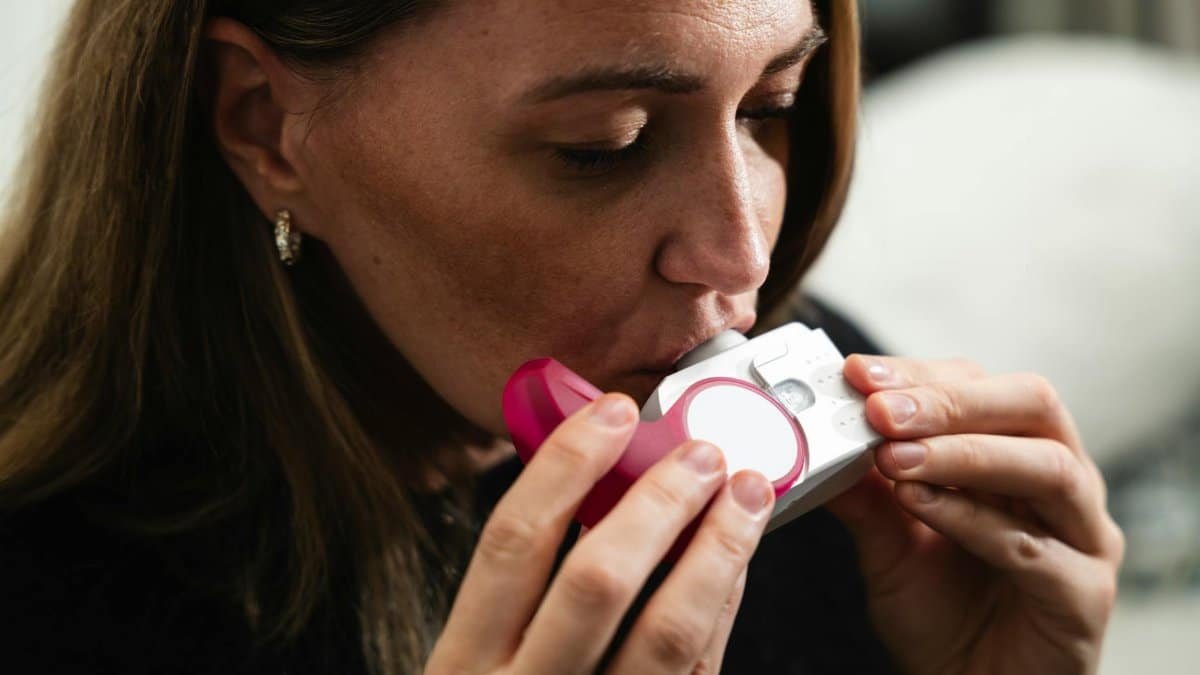
Breathing these VOCs irritates lung tissues, sparking inflammation and discomfort. Sensitive groups feel it first—those with asthma or allergies report worsened symptoms. Long-term exposure raises broader concerns, though experts focus on immediate risks from daily showers. The 2026 alert stresses how repeated inhalation in confined spaces mimics low-level pollution, chipping away at respiratory health over time.
Expert Consensus on the Hazard
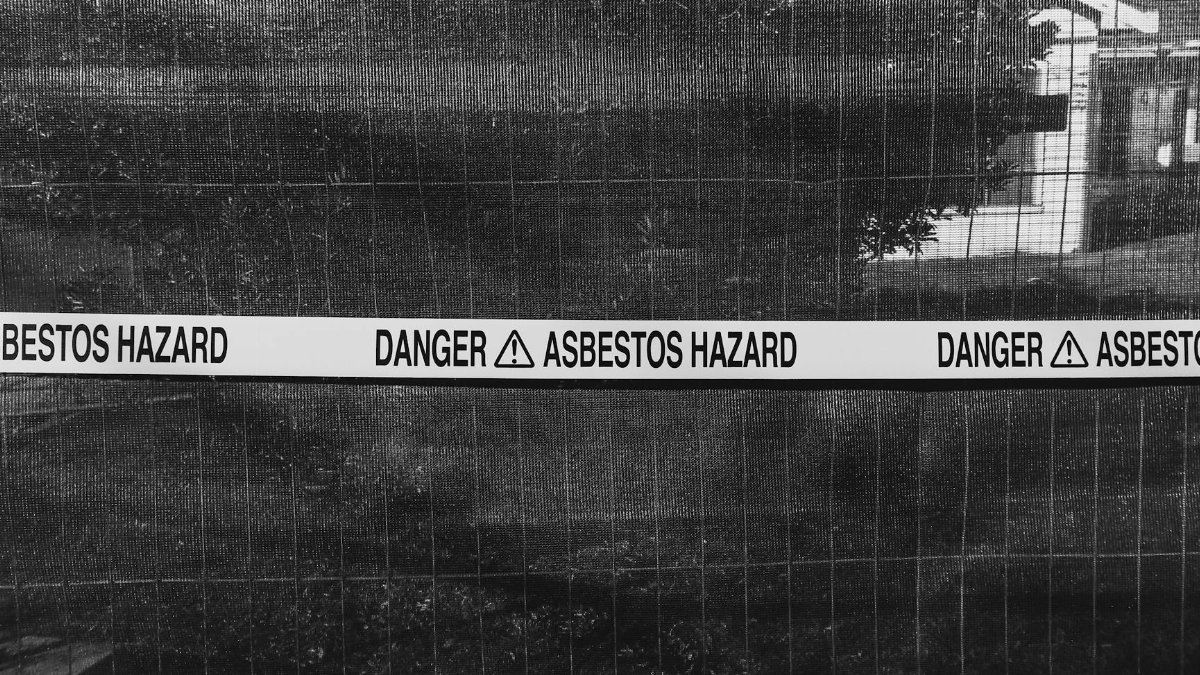
Health and environmental specialists unite on this issue. Their February 6 statement cuts through: ditch PVC to avoid VOC buildup. Research backs the call, showing measurable emissions from new vinyl curtains. The CDC outlines indoor environmental risks from VOCs, aligning with warnings about heated plastics. No safe threshold exists for routine exposure in homes.
Bathroom Air: A VOC Hot Zone

Showers generate steam that clings to curtains, prolonging chemical release. Add mildew-resistant treatments on PVC, and VOC levels climb. In 2026 U.S. trends, bathroom remodels boom, yet many stick with cheap vinyl. Experts push awareness: test your curtain’s smell—if it’s strong, it’s suspect. Ventilation fans help, but they can’t fully counter embedded toxins.
Why Now? Rising Awareness in 2026

Fresh data and consumer tests fuel the urgency. Families report odd odors correlating with coughs or eye stings post-shower. The timing aligns with green home pushes, where PVC scrutiny grows. Health outlets amplify expert voices, noting how steam’s heat mimics industrial processes that regulate VOCs elsewhere. American bathrooms, it turns out, host unregulated emitters.
Swapping to Safer Fabric Options

The fix is straightforward: replace PVC with breathable fabric curtains. These lack the volatile chemistry, slashing VOC risks without sacrificing function. Experts endorse PEVA or cotton blends as vinyl alternatives—waterproof yet fume-free. Early adopters note cleaner air and no chemical tang. In 2026, retailers stock these amid demand spikes from health alerts, making the switch accessible for all budgets.