

Rage applying is reshaping how workers fight for better pay in 2026. This aggressive tactic—firing off resumes to dozens of competitors right after a bad day at work—is delivering massive raises, especially for Gen Z. No more quiet suffering or rash quits. Instead, young professionals channel frustration into action. The trend, spotlighted on February 10, 2026, urges: Don’t quit, apply. It’s a raw, immediate response turning workplace anger into career leverage.
What Drives Rage Applying

A tough workday sparks it. Picture the moment: a frustrating meeting, unfair feedback, or overload hits hard. Rather than stew, workers grab their resumes. They target rival companies, blasting applications to dozens at once. This isn’t passive job hunting. It’s fueled by raw emotion, transforming irritation into momentum. Gen Z, facing high burnout rates, leads this charge. The approach flips the script on traditional career advice.
Gen Z’s Aggressive Edge

Younger workers dominate rage applying. Gen Z sees it as a smart play in a competitive market. They net massive raises by shopping their skills aggressively. No waiting for internal promotions that rarely come. Instead, external offers force bosses to counter or lose talent. This generation, entering the workforce amid economic shifts, demands more. Their success stories spread fast online, fueling the trend across industries.
Targeting Competitors Directly

Competitors become prime targets. Why chase unrelated roles when rivals pay better? Applicants flood similar firms, leveraging insider knowledge of the field. Dozens of submissions in one furious session amplify chances. It’s volume meets precision. Recruiters notice the surge, especially from disgruntled talent at peer companies. This strategy pressures current employers to match incoming offers, securing those big pay bumps without jumping ship.
The Payoff: Massive Raises

Results speak loudest. Rage applying lands Gen Z substantial salary jumps. External bids create bidding wars. Current jobs suddenly look stingy next to competitor packages. Many stay put after negotiations yield 20% or higher boosts—though exact figures vary by role. The trend proves emotion-driven moves can pay off big. It’s not luck; it’s calculated aggression in a tight labor market.
Don’t Quit—Apply Instead

The mantra is clear: Don’t quit, apply. Quitting in anger risks gaps in income and resumes. Rage applying keeps paychecks flowing while testing the waters. It builds leverage without bridges burned. Workers test loyalty from afar. Employers, sensing poach risks, often sweeten deals. This measured fury beats impulsive exits, aligning with 2026’s pragmatic career mindset.
Rage Applying as a Career Trend
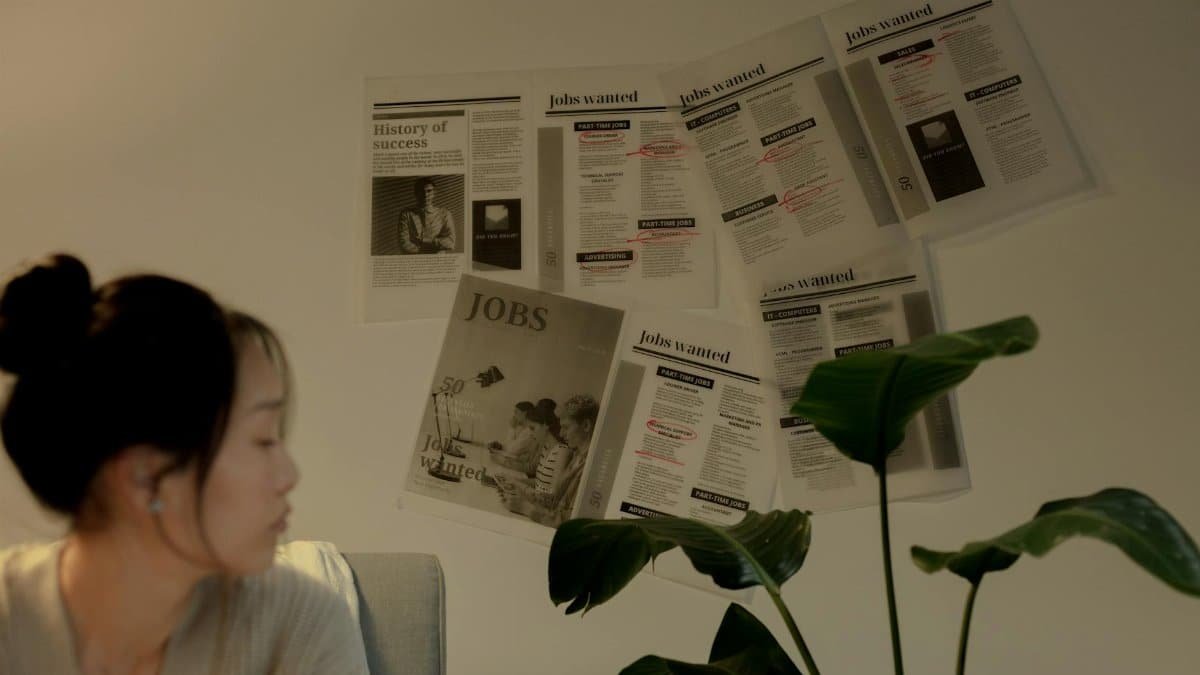
By February 10, 2026, rage applying cements itself as a defining trend. It’s aggressive, yes, but effective. Gen Z normalizes it, sharing tips on platforms. The shift challenges old norms of loyalty. In a world of stagnant wages, it’s a rebellion tool. Companies adapt, offering retention bonuses preemptively. The movement grows as more secure wins.
Challenges in the Heat of the Moment

Not every blast lands perfectly. Hasty applications demand strong, updated resumes. Typos or weak tailoring can backfire. Yet, the volume offsets misses. Gen Z hones this skill, treating bad days as opportunity drills. Discipline tempers the rage, turning it strategic. Success hinges on preparation amid emotion.
Broader Impact on Workplaces

Employers feel the heat. Sudden application spikes signal unrest. Retention teams scramble. The trend forces transparency on pay. Gen Z’s moves ripple, inspiring others. In 2026, it redefines power dynamics. Managers now watch for signs of rage-fueled exits. The aggressive tactic elevates worker bargaining across sectors.
For deeper context on Gen Z’s job strategies, see Pew Research Center’s analysis of young workers’ attitudes: Pew Research on Gen Z Job Mobility. CNBC also covers the rise of this tactic: CNBC on Rage Applying.
(Word count: 748)