

Arizona residents are discovering bark scorpions in their shoes, turning daily routines into nightmare scenarios. Pest control companies across the state report a massive spike in calls, triggered by unseasonal heat pushing these arachnids indoors. The surge marks a stark departure from typical winter patterns, with scorpions seeking refuge in homes. Dated February 17, 2026, this scorpion infestation highlights how weather anomalies disrupt wildlife behavior and invade living spaces. Homeowners now face unexpected encounters in the most personal places.
Unseasonal Heat Fuels Indoor Invasion

February warmth in Arizona has upended scorpion habits. Normally dormant during cooler months, bark scorpions activate early. This unseasonal heat drives them from outdoor habitats straight into residences. Pest control logs show the pattern clearly: warmer nights prompt scorpions to hunt and shelter inside. Homes become prime targets as temperatures climb unexpectedly. The shift underscores Arizona’s vulnerability to climate quirks, where mild winters amplify pest pressures.
Bark Scorpions Emerge as Primary Threat
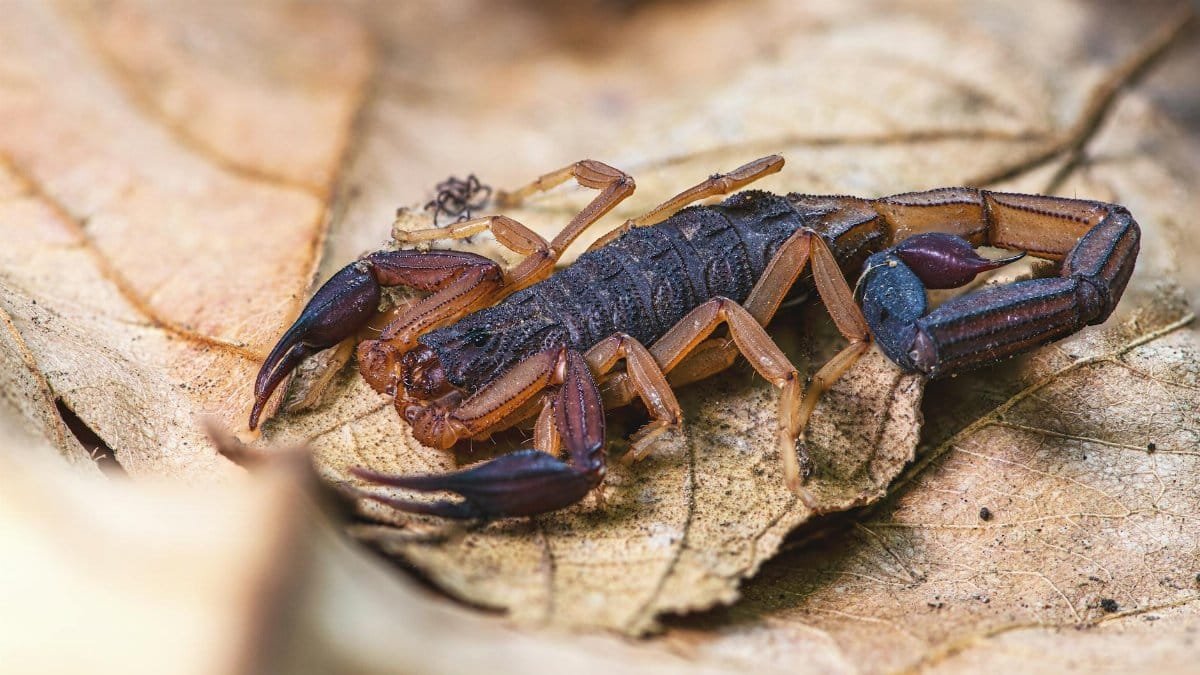
Bark scorpions lead this wave of intrusions. These agile creatures favor cracks and crevices but now infiltrate living areas en masse. Their lightweight bodies allow easy access through tiny gaps. Reports pinpoint them clustering in dark, humid spots within homes. The infestation reflects their adaptability to Arizona’s desert environment. For context on these pests, see the University of Arizona Cooperative Extension guide on scorpions.
Pest Control Companies Overwhelmed

A massive spike in service calls swamps Arizona’s pest control firms. Operators field urgent requests daily as homeowners battle the influx. Dispatch teams race from suburb to suburb, treating scorpion hotspots. The volume strains resources, with backlogs forming amid peak demand. Companies note this as one of the busiest periods on record for winter months. The trend signals broader challenges for the industry in handling weather-driven outbreaks.
Shoes and Boots: Unexpected Hotspots

Scorpions target footwear left near doors or outdoors. Residents report finding them nestled inside boots and shoes overnight. The phrase “shake out your boots” now carries urgent weight. These invasions happen quietly, with scorpions drawn to the dark, enclosed spaces. Morning surprises jolt homeowners, prompting immediate checks of all personal items. This scorpion infestation personalizes the threat, turning closets and entryways into danger zones.
Homes Under Siege from the Shadows

Bark scorpions slip into homes via doors, windows, and vents. They favor garages, bathrooms, and bedrooms for moisture and cover. The unseasonal heat accelerates their movement, bypassing usual seasonal barriers. Families across Arizona suburbs now inspect bedding and floors routinely. Pest control data ties the uptick directly to these indoor migrations. The pattern disrupts sleep and security in equal measure.
Weather’s Direct Link to Scorpion Surge
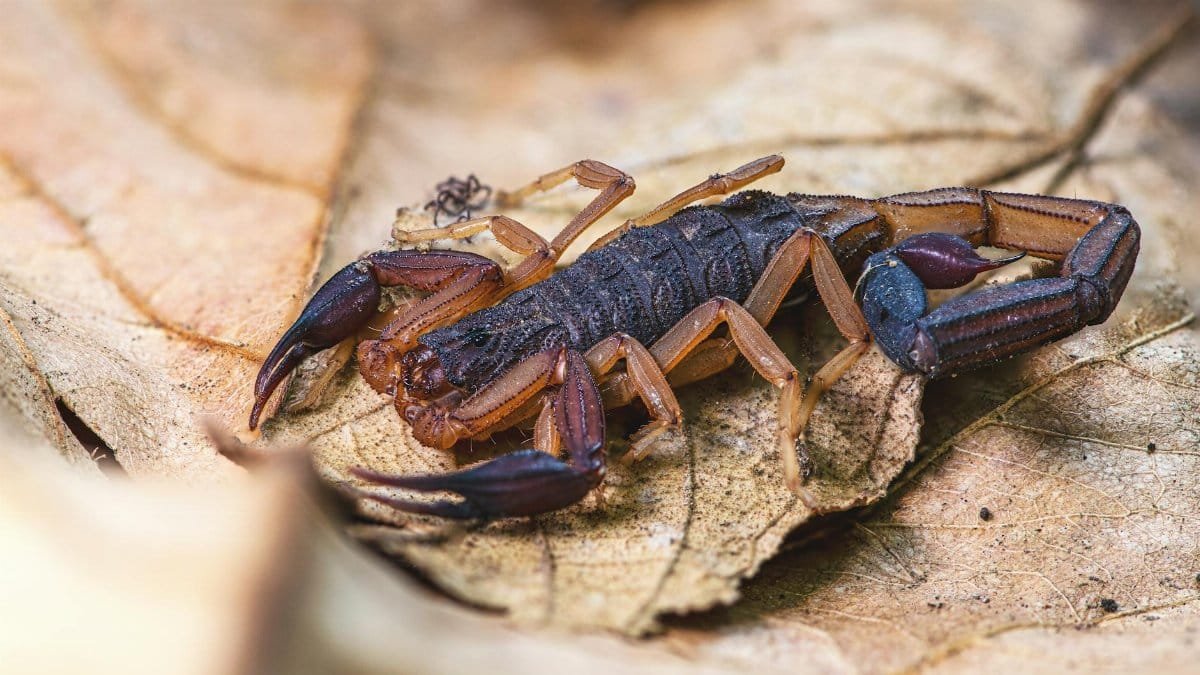
Temperatures lingering above seasonal norms propel scorpions active. Heat mimics summer conditions, spurring foraging and shelter-seeking. Arizona’s pest experts connect the dots: warmer air means more movement toward human dwellings. This dynamic explains the call volume explosion. Long-term, it raises questions about recurring patterns in a changing climate. Residents adapt by sealing entry points amid the ongoing push.
Daily Life Disrupted by Infestation
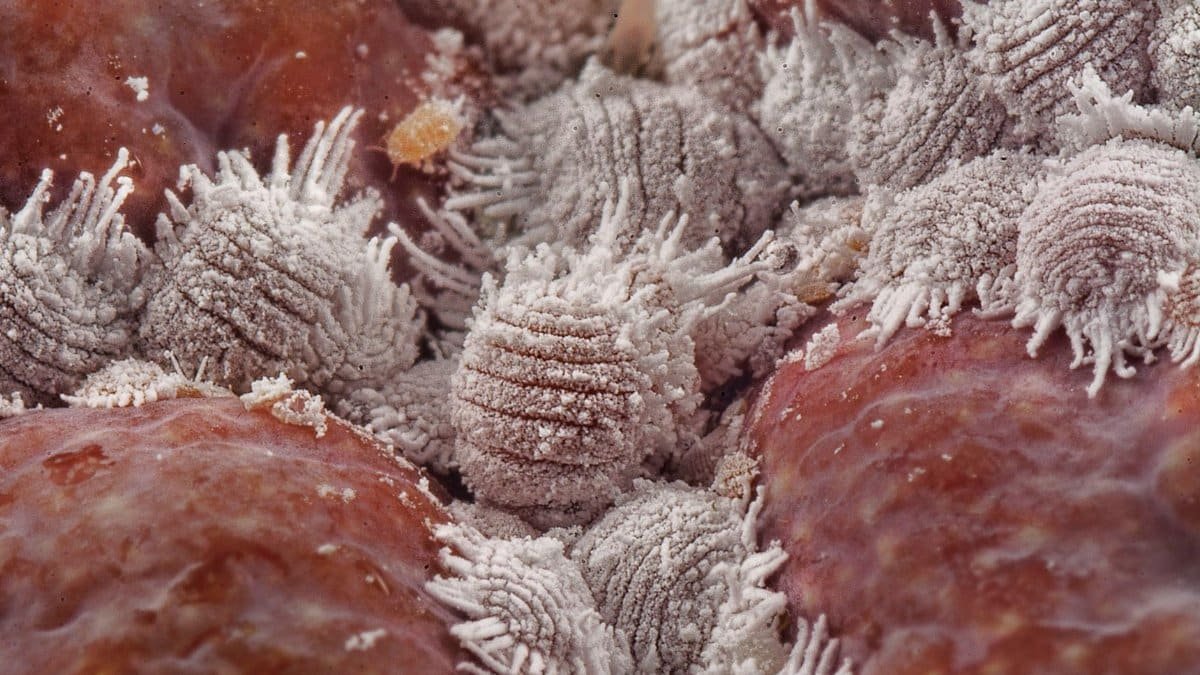
Arizona suburbs grapple with heightened vigilance. Morning boot shakes become ritual. Pest control teams document cases where scorpions appear in kitchens and living rooms too. The infestation alters routines, from laundry to nighttime sweeps. Homeowners share frustrations over relentless intrusions. The massive call spike reflects widespread impact, hitting urban and rural areas alike. For venomous scorpion details in the region, refer to the University of Arizona’s Arthropod Gallery on scorpions.
Pest Control Response in High Gear
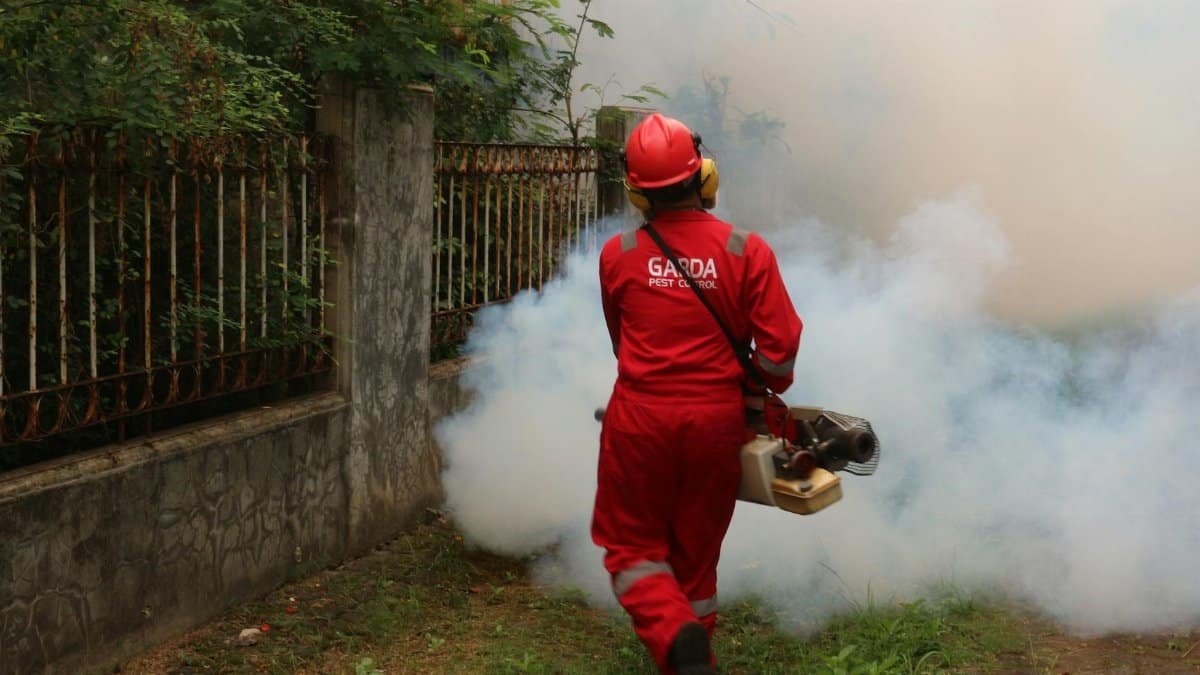
Firms deploy specialized treatments targeting bark scorpion behaviors. Calls pour in from concerned families, prompting rapid interventions. Technicians emphasize perimeter barriers and interior sweeps. The surge tests operational limits, with overtime common. Arizona’s industry pivots to meet demand, educating clients on heat-related risks. This response keeps the infestation in check, though challenges persist.
Implications for Arizona Residents
The scorpion infestation reshapes winter safety protocols. Unseasonal heat guarantees no off-season respite. Pest control’s massive spike underscores the scale. Homeowners prioritize prevention, from footwear checks to home sealing. The February 17 report captures a pivotal moment in 2026’s pest landscape. Arizona braces for prolonged encounters, blending caution with routine life.