
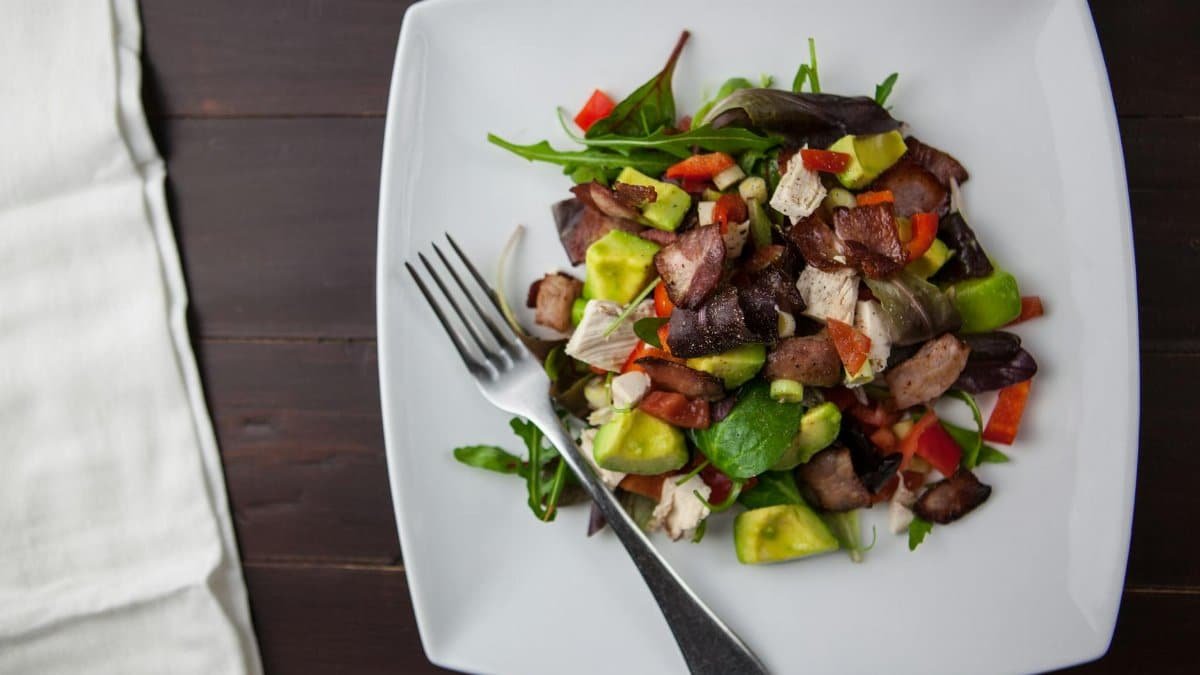
Can you say “bacon avocado” fast enough? This bizarre, nonsensical phrase has ignited a viral challenge exploding across TikTok. Dubbed the bacon avocado trend, it demands rapid repetition, tripping up participants in hilarious fails. Parents, however, are sounding alarms, labeling it “pure brain rot” that dumbs down youth. Reported on February 5, 2026, the phenomenon highlights TikTok’s power to propel absurdity into mainstream obsession, drawing millions of views overnight.
The Challenge Takes TikTok by Storm

TikTok users worldwide have latched onto the bacon avocado challenge with fervor. Videos flood the For You Page, showing teens and young adults attempting to chant “bacon avocado” at breakneck speed. The goal? Spit it out cleanly without mangling the words. Success clips rack up likes, while epic stumbles go mega-viral. This simple mechanic propels shares, turning a silly string of syllables into a platform-wide frenzy. No props needed—just a camera and relentless tries.
Decoding the Nonsensical Core

At its heart, “bacon avocado” defies logic. Why these words? Bacon evokes crispy breakfast strips; avocado suggests creamy green fruit. Paired together, they form a rhythmic tongue twister primed for chaos. The alliteration and vowel shifts make it devilishly hard to accelerate. Challengers push limits, often dissolving into laughter or frustration. This absurdity fuels endless remixes, from slow-motion breakdowns to beat-synced versions. It’s peak TikTok: meaningless yet magnetic.
Parents Sound the Brain Rot Alarm

Outrage brews among parents monitoring their kids’ screens. “Pure brain rot,” they decry, arguing the trend wastes time on vapid repetition. Concerns mount over hours lost to futile chants instead of productive pursuits. Social media feeds brim with parental rants, videos of confiscated phones, and pleas for sanity. One common thread: fears it erodes attention spans in an already distracted generation. The backlash amplifies the trend’s visibility, creating a cycle of controversy.
For context on “brain rot” as a cultural critique, see Oxford Languages’ 2024 Word of the Year, which traces the term’s rise in describing low-value online content.
How the Trend Sweeps the Platform

Sweeping TikTok means algorithmic magic. A single video hits critical mass, then duets and stitches explode it further. Hashtags like #BaconAvocadoChallenge trend globally, pulling in creators from every niche. Teens dominate, but adults join for laughs or to mock it. View counts soar into the millions daily. By February 5, 2026, it dominated U.S. feeds, mirroring past hits like ice bucket challenges—but stripped to linguistic mayhem.
Tongue Twister Mechanics Exposed
Saying “bacon avocado” fast tests phonetic agility. Start slow: ba-con a-vo-ca-do. Ramp up tempo, and consonants clash. The “b” to “v” shift, plus rolling “c” sounds, creates slip-ups. Top videos showcase 10-second bursts or group relays. Failures—slurred to “bacon avodado”—spark comment wars on technique. Pros share tips like breath control, yet most embrace the mess. This accessibility hooks casual scrollers into active participants.
Teen Appeal in a Scroll-Heavy World

Teens fuel the fire. Amid endless content streams, bacon avocado offers instant gratification. No skills required beyond persistence. It bonds friends in live sessions or schoolyard dares. U.S. youth, glued to TikTok per recent surveys, find escape in its stupidity. Data underscores the platform’s teen stronghold: nearly two-thirds of U.S. 13-17-year-olds use it daily, per Pew Research Center. The trend thrives here.
Parental Pushback Gains Traction
Parents aren’t passive. TikTok comments sections host debates, with moms and dads urging blocks on the sound. Some launch counter-videos, demoing “smarter” challenges like vocabulary builders. Schools report classroom echoes of “bacon avocado,” prompting talks on digital wellness. The “brain rot” label sticks, evoking broader worries about viral slop over substance. Yet, bans often backfire, spiking curiosity.
Cultural Ripple Effects Emerge

Beyond laughs, the bacon avocado trend probes deeper questions. Does viral nonsense signal creativity or decay? In 2026 America, it underscores TikTok’s cultural chokehold, where food-inspired gibberish outpaces news. Marketers eye it for brand tie-ins, though none confirmed yet. Parents’ fury spotlights generational divides: what kids see as fun, adults view as mental junk food. The clash defines the moment.
Why It Persists in 2026

Persistence stems from TikTok’s engine. Algorithms reward engagement, and bacon avocado delivers. Low barrier to entry means anyone joins. Global reach hits U.S. shores hard, blending with local humor. Parents’ scorn adds edge, making rebellion sweeter for youth. As of February 5, 2026, no signs of fizzle—expect more mutations ahead. Check TikTok Discover for live action.
This trend cements 2026 as the year of the weird, proving nonsense needs no reason to conquer screens.