
Is the “trad wife” aesthetic a harmless throwback or a dangerous trap? The trad wife controversy is heating up as influencers glamorize 1950s-style subservience, drawing sharp backlash for pushing women toward financial dependence. Dated February 7, 2026, critics argue this trend looks pretty on social media but leaves women vulnerable and stuck. What starts as vintage dresses and homemaking tips risks real harm in modern life.
The Aesthetic Appeal of Trad Wife Life
The trad wife trend captivates with its polished visuals: flowing aprons, perfectly baked pies, and smiling faces in retro kitchens. It promises simplicity amid chaos, evoking a time when roles felt clear. Social media amplifies this, turning daily chores into aspirational content. Women post about ditching careers for full-time homemaking, framing it as liberation. Yet beneath the filters, the controversy brews. This aesthetic sells an idealized past, but detractors say it ignores the era’s harsh realities for women.
Glamorizing 1950s Subservience
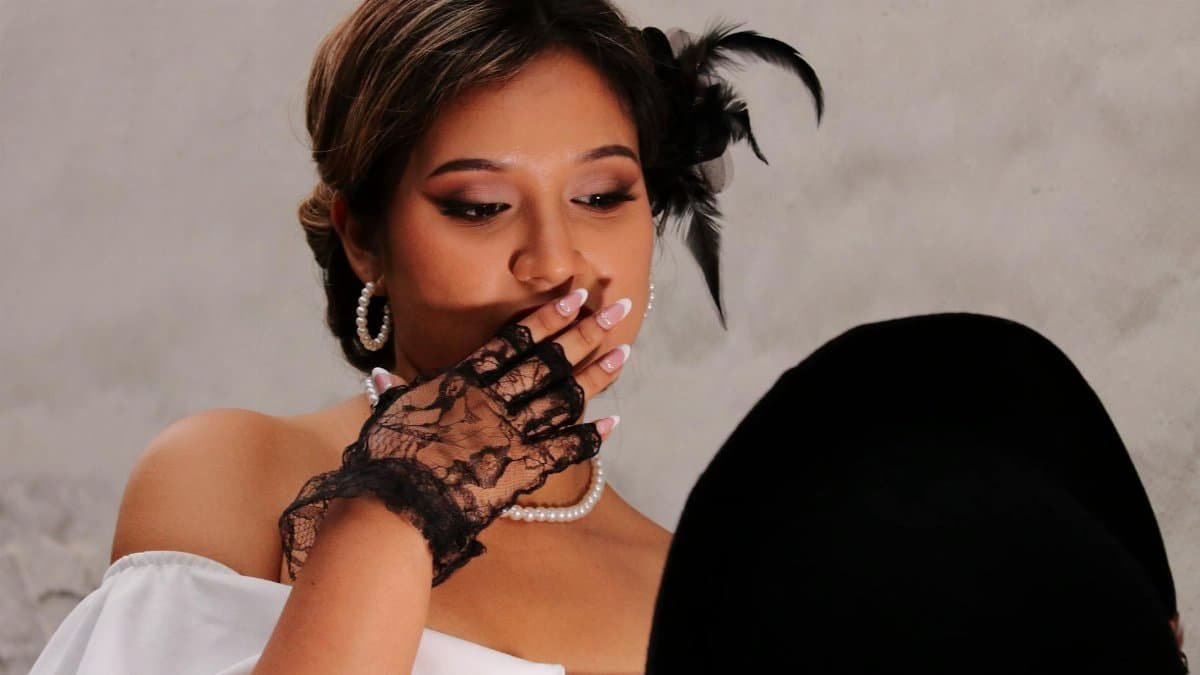
At its core, the trad wife movement revives 1950s gender norms. Wives stay home, submit to husbands, and prioritize family over personal ambition. Influencers portray this as empowering, a rebellion against feminism’s demands. Vintage imagery dominates: pearl necklaces, submissive smiles, and devotion to male providers. The trend gained traction online, blending nostalgia with anti-modern sentiment. But the trad wife controversy spotlights how this glamorization romanticizes control, not choice. In 2026 America, where women hold nearly half of jobs, such subservience clashes with economic independence.
Backlash Builds Nationwide

Critics from women’s rights groups to everyday commentators are pushing back hard. They call the trend regressive, arguing it traps women in outdated roles. Social media threads explode with warnings: what looks cozy online hides isolation. The backlash intensified in early 2026, with viral posts dissecting the dangers. Feminists point out the irony—influencers profit from aesthetics while preaching dependence. This trad wife controversy underscores a cultural divide: nostalgia versus progress. Voices urge women to see beyond the shine.
The Promise of Domestic Bliss
Proponents paint trad wife life as stress-free heaven. No boardroom battles, just nurturing a home. Husbands as sole breadwinners free women from “corporate grind,” they claim. Recipes, cleaning hauls, and marriage advice fill feeds, drawing millions of views. In a high-pressure world, this appeals to those burned out by dual incomes. Yet the summary of risks lingers: aesthetics mask deeper issues. The trend’s pull is strong, but so is the scrutiny in 2026’s evolving gender debates.
Risks Hidden in Plain Sight
It looks aesthetic, but it’s risky—that’s the core warning. Financial dependence emerges as the biggest red flag. Women forgo careers, savings, or skills, relying entirely on partners. Divorce or job loss for him spells disaster for her. Critics highlight vulnerability to abuse, as leaving becomes near impossible without money. The 1950s idyll ignored no-fault divorce or women’s rights; today’s version does too, say opponents. This trad wife controversy forces a reckoning with those overlooked perils.
Financial Dependence: The Real Trap
Promoting financial dependence traps women—that’s the backlash’s sharpest point. Handing over earnings control sounds quaint until hardship hits. No credit history, no resume gaps filled, no escape plan. In the U.S., where single mothers face poverty rates twice that of married couples, this setup amplifies dangers. CDC data on intimate partner violence shows economic abuse as a common tactic, leaving victims powerless. Trad wife advocates downplay this, but reality bites harder.
Trapping Women in Modern America

The trend’s danger lies in its subtlety. Women enter happily, inspired by influencers’ bliss. But years in, with kids and no income, options dwindle. Economic shifts—like recessions or male layoffs—expose cracks. In 2026, with inflation squeezing households, dual incomes are norm. Critics argue trad wife life ignores this, glamorizing a fantasy unsuited to today’s economy. The controversy reveals a push-pull: cultural allure versus practical peril. Women deserve choices, not chains disguised as charm.
Why the Backlash Matters Now

This February 2026 moment feels pivotal. As trad wife content surges, so does opposition. Mental health experts and economists weigh in, stressing independence’s value. Pew Research on shifting marital earnings highlights how equal partnerships dominate U.S. homes. The controversy challenges influencers to address risks head-on. For women scrolling late at night, the message is clear: look past the aesthetic. True freedom demands financial footing, not subservient steps.