
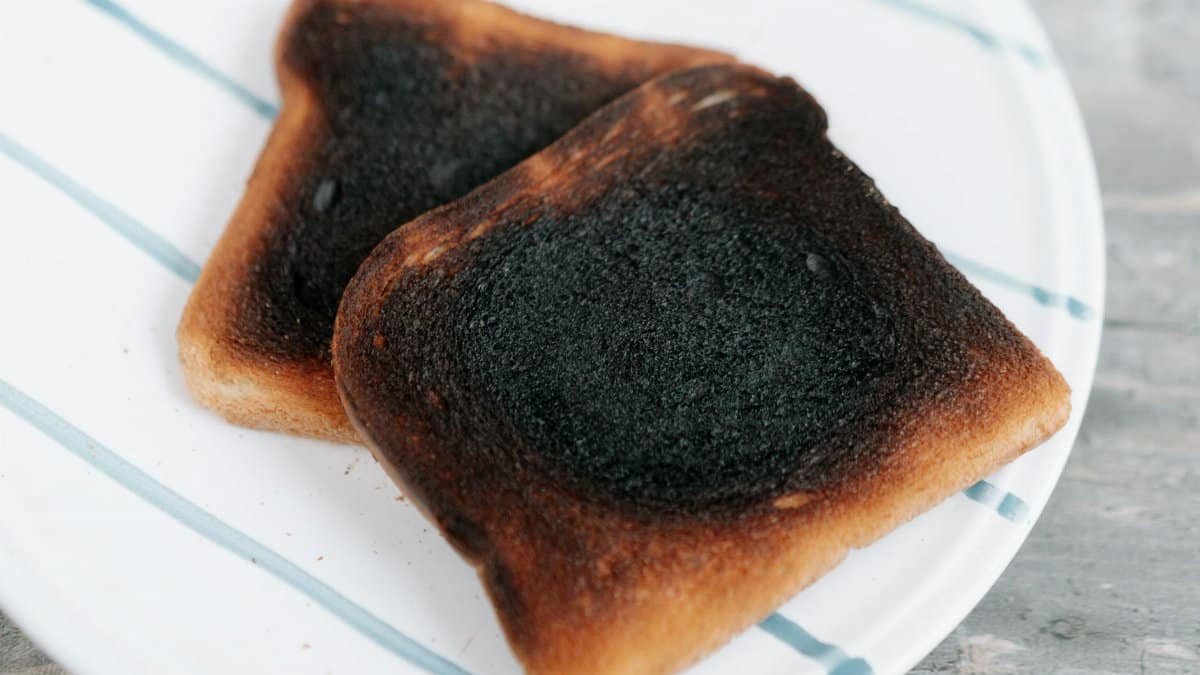
Maybe the traffic jam that ruined your morning commute actually saved your life. On February 14, 2026, the “burnt toast theory” exploded online. This concept holds that everyday annoyances—like scorched breakfast or gridlock—serve as unseen shields against far worse fates. It’s a viral mindset shift reframing irritations as protections, and it’s gaining traction as a cure for mounting anxiety in a chaotic world. Americans are embracing it, turning frustration into quiet relief.
Defining the Burnt Toast Theory
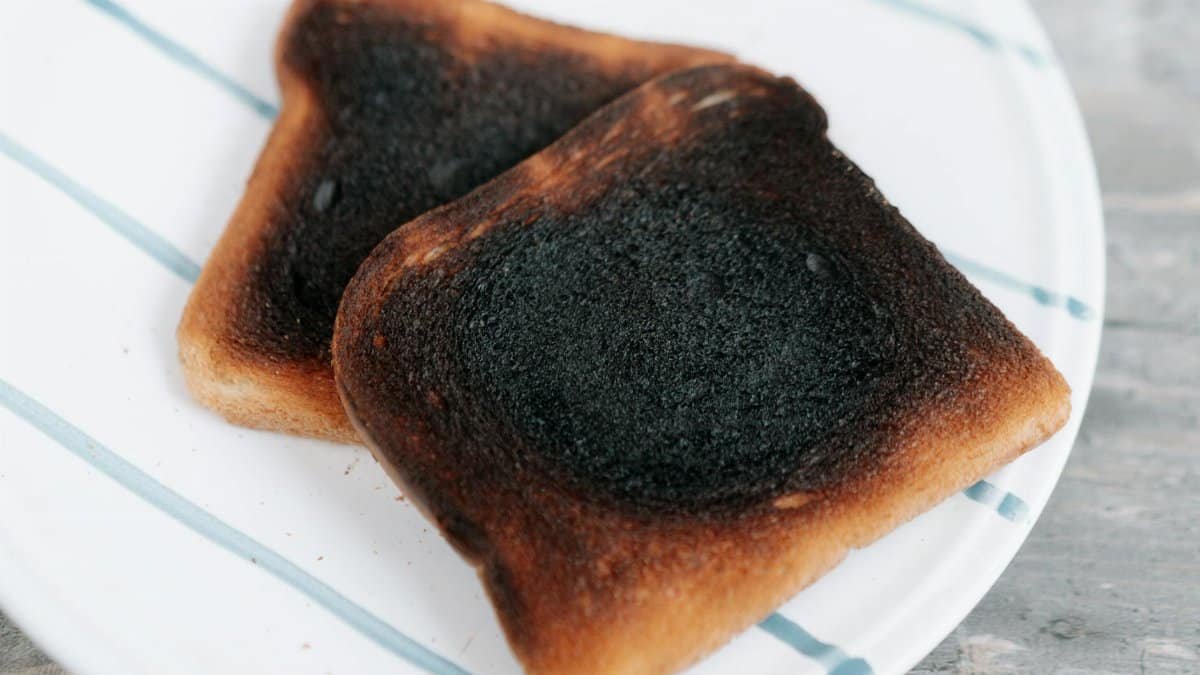
The burnt toast theory boils down to one provocative idea: minor inconveniences act as cosmic bumpers. Picture your toast burning just as you rush out the door. Or that unexpected delay in traffic. According to the theory, these hiccups divert you from potential disasters down the line. It’s not superstition. It’s a perspective flip. Proponents argue these small setbacks buy time or reroute paths, sparing bigger tragedies. The concept surfaced prominently on February 14, 2026, capturing a collective exhale amid daily stresses.
From Annoyance to Protection

At its heart, the theory transforms gripes into gratitude. Burnt toast? It kept you from choking on perfectly crisp slices during a distracted bite. Late to work because of traffic? That snarl-up might have dodged a multi-car pileup ahead. The summary captures this essence: “Maybe the traffic saved your life.” Such reframing turns passive irritation into active reassurance. In 2026, as U.S. commutes lengthen and breakfast routines falter under busy schedules, this view offers instant solace. No grand rituals required—just a mental pivot.
The Viral Spark
By February 14, 2026, the burnt toast theory had gone viral. Social feeds buzzed with stories of dodged bullets disguised as delays. What started as a niche observation swelled into a mindset movement. People shared how a spilled coffee led to skipping a faulty elevator ride. Or how a late bus arrival meant missing a sketchy street crossing. The theory’s appeal lies in its universality. Everyone burns toast sometime. Everyone hits traffic. This shared experience fuels its spread, making it a go-to balm for frayed nerves.
Curing Anxiety Through Reframing
Anxiety thrives on what-ifs and worst-case spirals. The burnt toast theory interrupts that cycle. By viewing small woes as safeguards, users report lighter loads. It’s curing anxiety not with pills or therapy sessions, but with a simple story swap. “That delay protected me,” becomes the new narrative. Mental health experts note reframing boosts resilience, aligning with established practices. For instance, the National Institute of Mental Health highlights how altering thought patterns eases anxiety symptoms. In 2026 U.S. trends, where stress levels hover high, this theory fits perfectly.
Everyday Examples in Action
Traffic jams top the list. Stuck behind a fender-bender, you fume—until the theory kicks in. Maybe that holdup steered you clear of a high-speed crash minutes later. Burnt toast follows suit. Charred edges mean slower eating, perhaps preventing a rush-hour slip-up. These aren’t hypotheticals; they’re the theory’s building blocks. Elaborating on the core idea, minor disruptions create buffers. In a nation of tight schedules, such interpretations turn commutes and kitchens into zones of subtle safety. The mindset shift spreads because it’s relatable, immediate, and free.
Why It Resonates in 2026
America’s pulse quickens in 2026. Remote work fades, offices refill, and roads clog anew. Anxiety metrics reflect this: more adults report daily worries. Enter the burnt toast theory. Its timing on February 14—Valentine’s Day, no less—adds irony. Love and mishaps collide, but the theory whispers protection. Viral shares amplify it, from TikTok testimonials to Twitter threads. Users credit it for calmer days. This isn’t fleeting fad; it’s a sticky mental tool amid uncertainty. U.S. trends show mindset shifts like this gaining ground, echoing broader wellness pushes.
The Psychological Edge
Reframing isn’t new, but the burnt toast theory packages it punchily. Psychologists link it to cognitive behavioral techniques, where thoughts shape feelings. Small protections narrative fosters optimism. Studies back this: positive reinterpretation cuts stress. The American Psychological Association details how such builds resilience against anxiety. Applied here, it means seeing toast char as a win. In 2026, with mental health apps booming, this organic hack stands out. No downloads needed—just awareness.
Practical Ways to Adopt It

Start small. Next burnt slice? Pause. Ask: What worse did this avert? Traffic halt? Breathe. Consider the shield. The theory thrives on repetition. Journal these moments for reinforcement. Share online to join the viral wave. Over time, anxiety ebbs as trust in life’s detours grows. February 14, 2026, marked its rise, but daily practice cements it. U.S. workers, parents, commuters—all find footing. It’s not denial; it’s discernment. Minor woes as major mercies.
Broader Impacts on Daily Life

Beyond individuals, the theory ripples. Families discuss “toast saves” at dinner. Offices buzz with traffic tales. It fosters patience in a haste-driven culture. Anxiety cures at scale mean less burnout, sharper focus. Viral status ensures staying power. As 2026 unfolds, expect more adoption. The core remains: inconveniences guard against disasters. This mindset shift, born from a single day’s buzz, reshapes how Americans navigate nuisances. Relief arrives one delayed moment at a time.
In a world quick to catastrophize, the burnt toast theory delivers clarity. Viral on February 14, 2026, it’s proving minor pains pack protective punch. Anxiety loses ground. Lives gain perspective.