
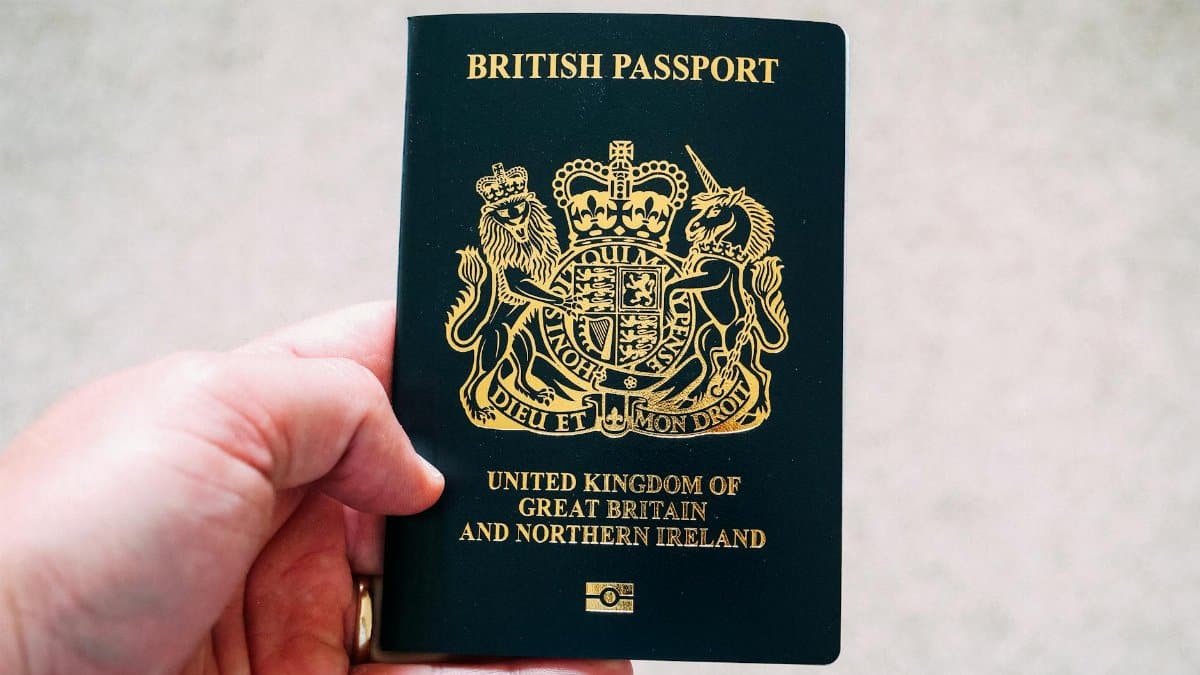
Passport bros—men jetting off to foreign lands in pursuit of “traditional” wives after swearing off American women—are fueling a fierce culture war across social media platforms.
This phenomenon, highlighted on February 11, 2026, captures a growing frustration among some U.S. men. They seek partners abroad who embody values they feel are fading domestically. Online debates rage, pitting supporters against critics in a battle over gender roles, dating norms, and national identity. The term “passport bros” has exploded in usage, turning personal quests into public spectacles.
What Defines Passport Bros?
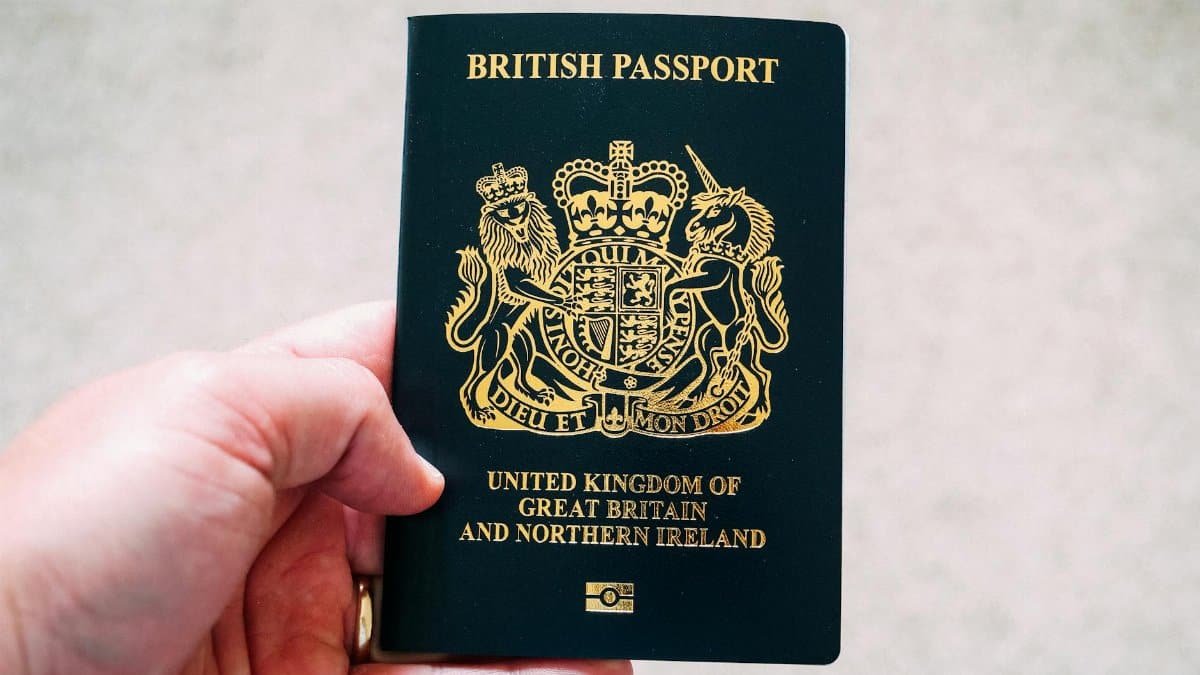
Passport bros represent a distinct group of American men disillusioned with local dating scenes. They actively travel overseas, passports in hand, to meet women perceived as more “traditional.” This isn’t casual tourism. It’s a deliberate strategy born from rejection of what they see as modern American women’s expectations. The label sticks because it underscores mobility and international focus. Social media amplifies their stories, from trip planning to success tales, drawing thousands into the conversation.
Frustration with American Women

At the core, passport bros have “given up” on American women. They cite cultural shifts—feminism, career priorities, and shifting gender dynamics—as barriers to the relationships they desire. No longer willing to navigate what they view as mismatched values, these men look elsewhere. This sentiment resonates widely online, where posts vent about failed domestic pursuits. It’s not universal, but vocal enough to spark backlash. Critics label it misogynistic; fans call it pragmatic self-preservation.
The Hunt for Traditional Wives

“Traditional” wives, in this context, mean women who prioritize family, homemaking, and deference—qualities passport bros believe are scarce in the U.S. Destinations vary, often Southeast Asia, Eastern Europe, or Latin America, where cultural norms align closer to their ideals. These men invest time and money, learning languages or customs to build connections. Success stories shared online portray blissful unions, fueling the trend. Yet, the pursuit raises questions about authenticity and power imbalances in cross-cultural romances.
Overseas Travel as a Dating Strategy

Travel defines the passport bros movement. These men pack bags for extended stays abroad, using apps, agencies, or local networks to meet prospects. It’s hands-on, contrasting swipe-right culture at home. February 11, 2026, reports underscore this exodus, with social feeds filled with visa tips and relocation advice. The strategy promises escape from U.S. dating fatigue, but it demands commitment—financially and emotionally. Supporters hail it as empowerment; detractors see exploitation.
Social Media as the Battleground

Social media ignites the fire. Platforms like X, TikTok, and Reddit host endless threads on passport bros. Viral videos of happy expat couples clash with takedowns accusing them of colonialism or evasion. Hashtags trend daily, pulling in influencers, feminists, and men’s rights advocates. The volume is massive, turning niche gripes into mainstream discourse. Algorithms boost the outrage, ensuring the culture war escalates without pause.
This online frenzy mirrors broader U.S. trends in relationship dissatisfaction. For context on shifting marriage views, see Pew Research Center’s analysis of single Americans.
Sparking a Massive Culture War

The culture war is no exaggeration. Passport bros divide opinions sharply. Proponents argue it’s a rational response to Western feminism’s excesses, reclaiming masculinity through global choice. Opponents decry it as regressive, dodging accountability at home. Debates spill into podcasts, forums, and news cycles, questioning everything from patriotism to gender equality. By February 11, 2026, the rift was palpable, with each side digging in deeper.
Reactions from Critics and Supporters

Supporters flood comments with testimonials: happier lives abroad, wives who “get it.” They frame passport bros as pioneers breaking free from societal pressures. Critics counter with stories of failed marriages, cultural clashes, or abandoned U.S. families. Women’s groups call it a threat to progress; some men nod in agreement. The polarization grows, with memes and manifestos weaponizing the divide. No middle ground emerges amid the noise.
Broader data on international relationships supports examining these dynamics. Pew’s insights on global marriage patterns appear in their global attitudes survey summary.
Implications for U.S. Dating in 2026

In 2026, passport bros challenge domestic dating norms. Their exodus signals deeper discontent, potentially reshaping how Americans approach partnerships. Will more follow, or will backlash strengthen local scenes? Social media ensures the debate endures, influencing policy talks on immigration, gender, and family values. The movement exposes fault lines in a polarized society, where personal choices ignite national fury. As of February 11, observers watch closely for escalation.
Why It Matters Now

This isn’t fringe. Passport bros tap into real anxieties about loneliness, roles, and globalization. Their travels highlight globalization’s double edge—opportunity abroad, tension at home. The culture war rages on, forcing reflection on what “traditional” truly means in modern America. With social media as megaphone, the story evolves daily, captivating a nation grappling with change.