
The Consumer Product Safety Commission has delivered a decisive blow to a popular children’s toy: a strict water beads ban. Announced on February 12, 2026, the order demands parents throw out these expanding orbs immediately. Reports of kids swallowing the beads, which then swell inside their bodies, have led to life-threatening intestinal blockages. This move underscores urgent safety risks in everyday playthings. No more second chances—these toys pose clear dangers.
CPSC Steps In with Firm Ban

The U.S. Consumer Product Safety Commission, known as CPSC, took bold action on February 12, 2026. It issued a strict ban targeting water beads marketed specifically as toys. The directive is clear: throw them out. This isn’t a recall or warning. It’s an outright prohibition driven by mounting evidence of harm. CPSC, tasked with protecting consumers from unsafe products, acted after reviewing reports of severe incidents. For more on CPSC’s role in product safety, visit the official CPSC website.
Water Beads: Marketed as Harmless Fun
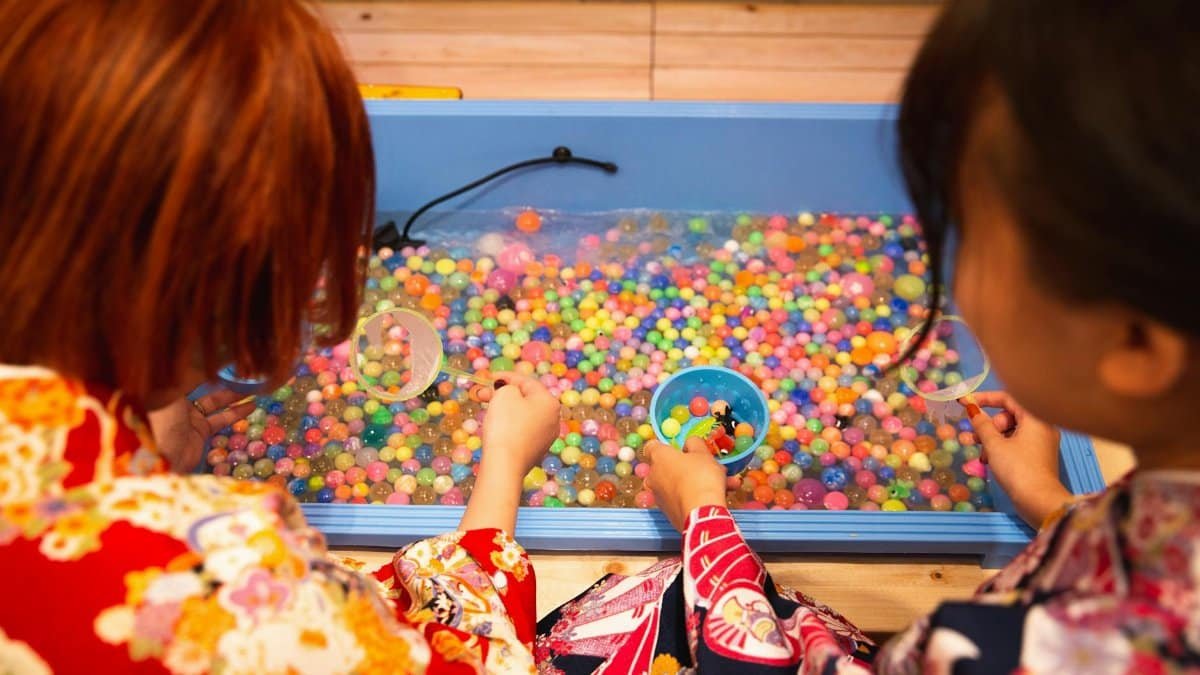
These small, colorful orbs start tiny, like marbles. Marketed aggressively as toys, they promise sensory play and educational value. Parents buy them for slime-making or calm-down jars. But the summary reveals a darker side. Once exposed to water, the beads expand dramatically. What seems playful turns perilous in seconds. The CPSC ban zeroes in on this marketing angle, stripping away the toy label to highlight the risk.
The Swallowing Hazard Emerges

Children swallow water beads easily. Their small size mimics candy or treats. Curiosity drives toddlers and young kids to put them in their mouths. Reports detail this pattern repeatedly. Once ingested, the beads absorb moisture in the digestive tract. They grow larger inside the intestines. This expansion creates chaos. The CPSC cites these cases as the trigger for the ban. No child should face such a threat from a supposed toy.
Life-Threatening Intestinal Blockages

The core danger lies in intestinal blockages. Swallowed beads expand rapidly, sometimes to marble size or bigger. They lodge in narrow passages, halting normal digestion. This leads to severe pain, vomiting, and potential ruptures. Medical intervention becomes urgent—often surgery. The CPSC describes these as life-threatening. Blockages demand immediate attention to save young lives. The ban addresses this exact nightmare scenario head-on.
Why Expansion Makes Them Deadly
Water beads rely on superabsorbent polymers, the same tech in diapers. They soak up hundreds of times their weight in water. In the gut, stomach fluids trigger the same reaction. A tiny bead balloons, pressing against intestinal walls. Reports confirm this process causes the blockages. The CPSC ban recognizes the science: expansion inside the body is unforgiving. Tossing them prevents tragedy.
Direct Call to Parents: Throw Them Out

The CPSC message cuts straight: throw them out. Check toy bins, craft supplies, sensory kits. Locate any water beads labeled as toys. Dispose of them safely—do not reuse or donate. This water beads ban leaves no room for storage or second thoughts. Parents must act now to comply. Retailers face scrutiny too, with sales halted under the new rules.
Broader Implications for Toy Safety
This ban signals heightened scrutiny on expandable toys. CPSC prioritizes child safety amid rising reports. Water beads join a list of phased-out hazards. The February 12, 2026, announcement sets a precedent. It reminds manufacturers: market as toys, prove safety first. Families in 2026 gain clearer guidelines. For historical context on CPSC toy actions, see their recalls archive.
Recognizing Signs of Trouble
Parents should watch for symptoms post-exposure. Abdominal pain, bloating, or refusal to eat signal issues. If a child swallows a bead, seek emergency care fast. X-rays detect expanded orbs. The CPSC ban aims to eliminate these scares entirely. Awareness saves time in crises.
Moving Forward in 2026
The water beads ban reshapes playrooms nationwide. Safer alternatives emerge, minus the expansion risk. CPSC enforcement ramps up inspections. This 2026 development prioritizes prevention over cure. Families adapt quickly, ditching the orbs for verified safe options. The message resonates: toy safety evolves with real threats.