

Could the weighted blanket soothing your anxiety be fueling weighted blanket joint pain? It mimics a comforting hug with its substantial heft, delivering deep pressure that many swear by for calming nerves. Yet on February 16, 2026, physical therapists raised red flags. These blankets shine for anxiety relief but risk overloading joints, especially in folks with arthritis or hip troubles. The pressure meant to relax can instead compress sensitive areas overnight, sparking stiffness and discomfort.
The Comfort of a Heavy Embrace

Weighted blankets deliver a sensation akin to being hugged. Their weight—often 10 to 30 pounds—provides even, firm pressure across the body. This design triggers a calming response, much like swaddling an infant. Users report sinking into bed feeling cradled, which promotes relaxation. Physical therapists acknowledge this appeal but stress the “heavy” aspect demands caution. What feels supportive during calm nights turns problematic when joints already fight inflammation or wear.
Anxiety Benefits Drive Popularity
These blankets excel at tackling anxiety. The deep pressure therapy they offer mimics techniques used in occupational settings for stress reduction. People toss and turn less, waking refreshed amid mental health challenges. In the U.S., where anxiety disorders affect millions, weighted blankets have surged as a non-drug aid. Therapists note their value here remains strong. Yet this success story collides with physical limits for some sleepers. The same weight easing worries can bear down too hard elsewhere.Mayo Clinic on Weighted Blanket Benefits details how the pressure aids sleep and anxiety, underscoring broad appeal.
Physical Therapists Issue Urgent Warnings
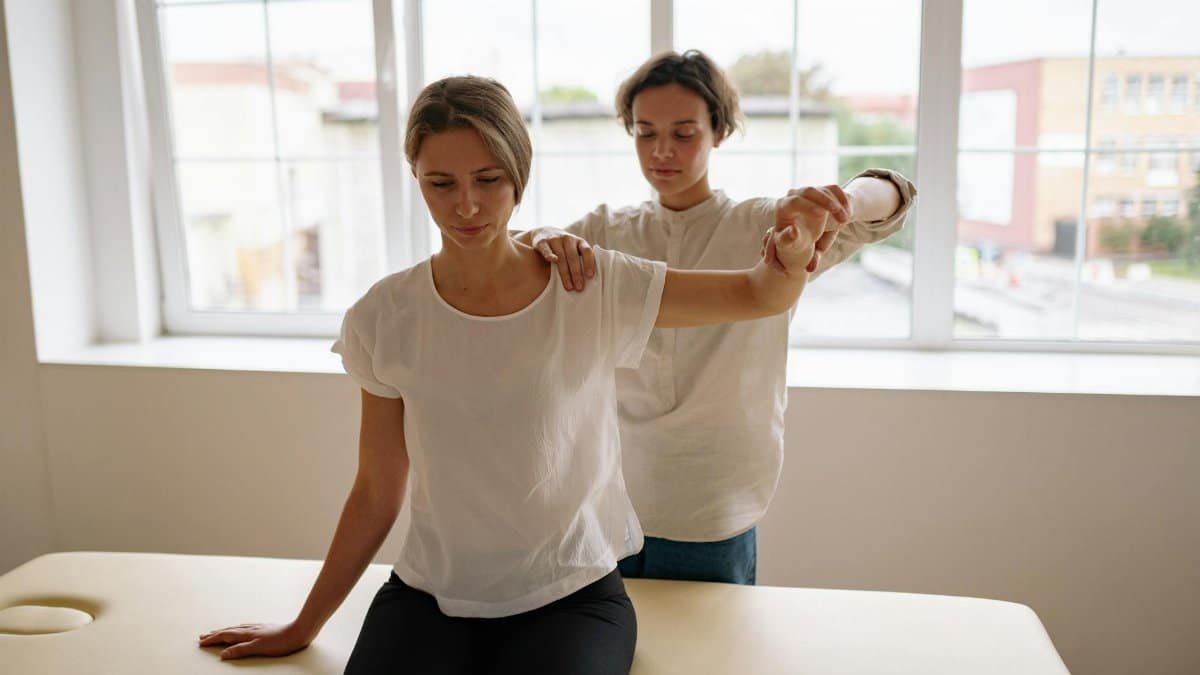
Experts in physical therapy now spotlight risks. On February 16, 2026, their message cut through the hype: heavy blankets apply unrelenting force during hours of immobility. Joints, meant to shift naturally, endure static load instead. Therapists treating daily patients see patterns emerge. Those already managing pain find symptoms worsen post-use. The advisory urges pausing before purchase. It’s not a blanket ban but a targeted alert for vulnerable groups.
How Pressure Builds on Joints
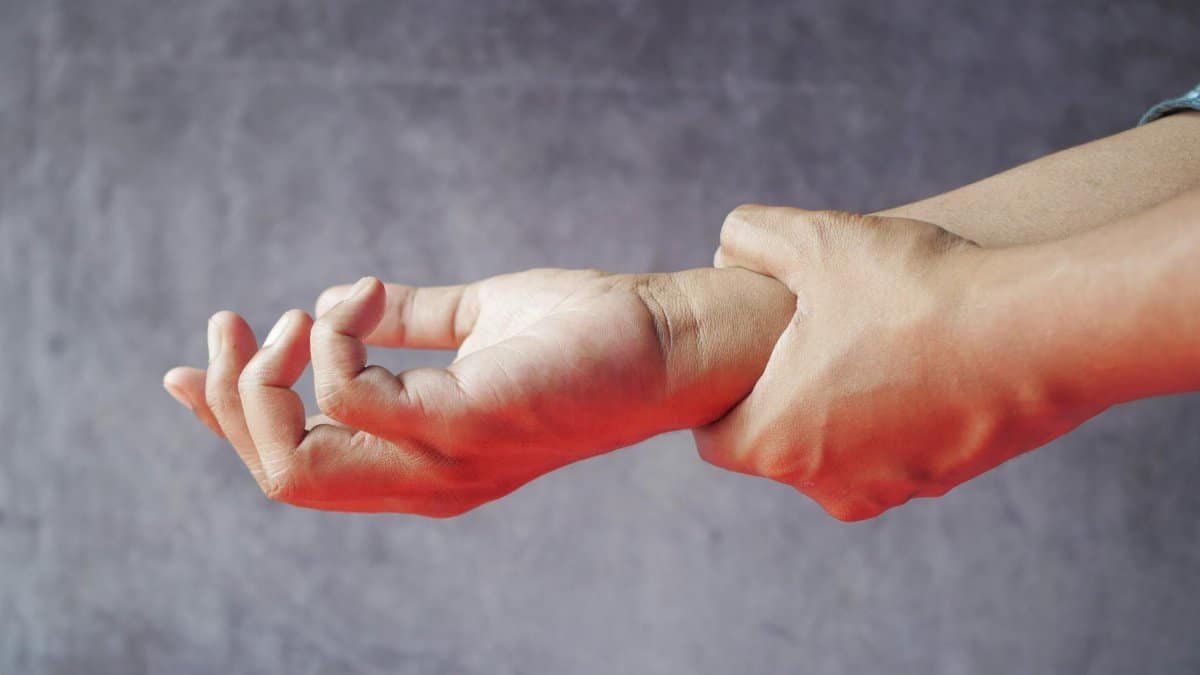
The mechanics are straightforward yet harsh. Blankets conform to body contours, concentrating weight on shoulders, hips, knees, and spine. Overnight, gravity amplifies this. Blood flow dips slightly under sustained compression, stiffening tissues. For healthy users, bodies adapt. But compromised joints rebel. Therapists explain the “too much” threshold varies by weight and duration. Eight hours under 15 pounds tests even resilient frames, let alone pained ones.
Arthritis Sufferers Face Heightened Strain

Arthritis inflames joints, eroding cartilage over time. Weighted blankets exacerbate this. The pressure mimics poor posture or overload, swelling tender knuckles, knees, or wrists. Morning stiffness intensifies, delaying daily function. Therapists report clients ditching blankets after flare-ups. In 2026 U.S. clinics, arthritis cases climb with aging populations, amplifying the issue. What starts as anxiety aid ends in joint lockdown.Cleveland Clinic Weighted Blanket Guide highlights joint cautions, aligning with therapist views on arthritis risks.
Hip Problems Under Extra Duress
Hips bear much of the blanket’s load in side-sleeping positions. Issues like bursitis or replacements falter here. The weight pins the pelvis, restricting subtle shifts needed for circulation. Therapists warn of grinding sensations or pain spikes upon rising. Hip patients, often post-surgery or degenerative, tolerate less. February 2026 advisories pinpoint this vulnerability, urging lighter options or none at all.
Spotting Weighted Blanket Joint Pain
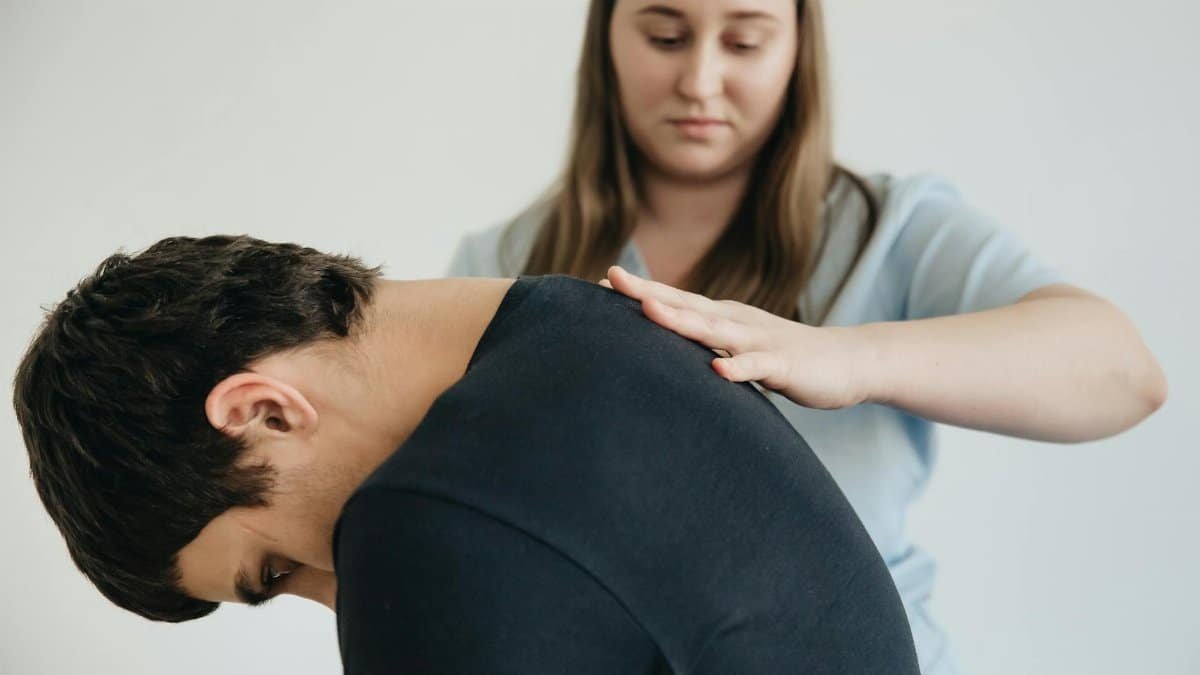
Signs emerge subtly. Users note sharper aches upon waking, lingering into day. Joints feel locked, mobility lags. If anxiety eases but physical toll mounts, correlation points to the blanket. Therapists advise tracking symptoms over a week. Persistent weighted blanket joint pain signals a mismatch. Early awareness prevents chronic setbacks.
Navigating Safer Choices in 2026
Physical therapists recommend consulting pros before bed. Lighter blankets or non-weighted alternatives suit high-risk users. Cooling fabrics or body pillows distribute load better. U.S. trends in 2026 lean toward personalized sleep gear amid health warnings. Prioritize anxiety wins without joint costs. The hug-like feel deserves balance—relief shouldn’t breed regret.