
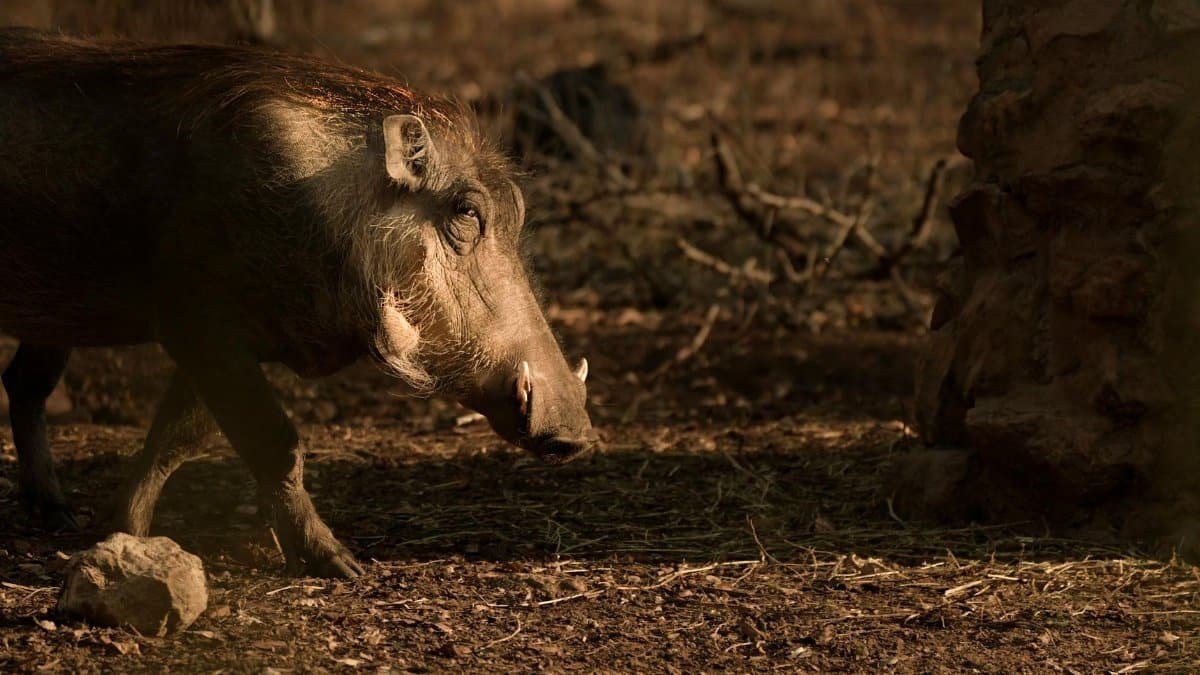
Texas suburbs are under siege from massive, furious feral hogs tearing up lawns overnight. On February 14, 2026, reports emerged of sounders—large groups of these aggressive beasts—pushing ever closer to urban edges. Residents now face a rude awakening: pristine yards reduced to churned mud. These feral hogs in Texas, known for their size and temper, signal a bold new front in the state’s long battle with invasive swine.
The Scale of the Beasts
These are no ordinary pigs. The feral hogs ravaging Texas suburbs dwarf typical wild swine. Residents describe them as huge, capable of uprooting entire lawns in a single night. Their bulk allows them to bulldoze through fences and vegetation with ease. Sounders, those packs numbering in the dozens, amplify the destruction. One homeowner’s yard, once a manicured green space, now resembles a plowed field after a sounder passed through. The sheer size of these animals turns routine foraging into wholesale devastation.
Aggression Fuels the Fear
Anger defines these invaders. Texas residents report feral hogs charging at anything in their path. No longer content with remote woodlands, these sounders display heightened aggression as they encroach on human turf. Experts note that hunger and territorial instincts drive this fury, but the result is the same: suburbs on high alert. A single sounder can scatter a neighborhood, leaving behind not just ruined grass but a sense of vulnerability. The hogs’ bold demeanor suggests they’re adapting fast to suburban life.
Lawns Turned Battlegrounds
Waking up to destroyed lawns has become the new normal. Soft, irrigated suburban turf proves irresistible to rooting hogs. They dig for grubs and roots, flipping sod like shovels. In Texas suburbs, this nightly ritual leaves craters and ruts. One resident stepped out to find his front yard eviscerated, the work of a sounder that vanished by dawn. Such scenes repeat across neighborhoods, turning pride-of-ownership properties into eyesores. The damage mounts quickly, with repair costs soaring for beleaguered homeowners.
Sounders on the March

Sounders represent the real threat. These organized groups move as units, amplifying individual hogs’ impact. In Texas, they’re shifting patterns, drawn by easy food sources near cities. Feral hogs texas packs probe closer each night, testing suburban boundaries. Their coordinated rooting strips away topsoil, erodes landscapes, and invites further incursions. Wildlife officials track these movements, warning that sounders grow bolder with success. What starts as isolated raids escalates to persistent occupation.
Closer to the City Limits

The creep toward the city unnerves everyone. Texas suburbs, once a buffer, now host nightly hog visits. These aggressive sounders ignore traditional barriers, slipping past highways and developments. Residents hear grunts and crashes echoing from backyards, a stark reminder of urban sprawl meeting wild fury. The proximity raises stakes: what happens when huge hogs breach denser areas? For now, suburbs bear the brunt, but the trend points inward.
Residents’ Rude Awakenings

Mornings bring shock. Texas families open doors to chaos: lawns shredded, gardens obliterated. The feral hogs strike under cover of darkness, exploiting quiet hours. One account details a sounder dispersing just as lights flicked on, leaving mud-caked evidence. Homeowners scramble with rakes and calls to authorities, but cleanup barely keeps pace. This pattern, reported widely on February 14, 2026, underscores a crisis unfolding in real time. Frustration builds as defenses falter.
Roots of the Suburban Surge
Why now? Feral hogs in Texas thrive on abundance. Suburban waste, irrigation, and lack of predators fuel population booms. Sounders exploit these edges, where rural meets residential. Their aggression spikes in resource-rich zones, driving them cityward. Texas has battled these invasives for years, but 2026 marks a tipping point for suburbs. The huge animals’ adaptability turns fringe habitats into launchpads for deeper raids. Containment efforts lag behind the hogs’ momentum.
Daily Life Disrupted

Suburban routines shatter under hog pressure. Kids avoid trampled play areas. Pets cower from distant squeals. Property values dip amid the mess. Texas residents invest in traps and lights, yet sounders evade most measures. The emotional toll mounts: anger mirrors the hogs’ own fury. Communities buzz with shared stories of dawn discoveries, fostering a collective siege mentality. This isn’t distant news—it’s doorsteps under attack.
For deeper context on feral hogs’ spread in Texas, see the Texas Parks & Wildlife Department feral hog page. The USDA also details management challenges in southern states via their National Wildlife Research Center resources.
Calls for Action Grow Louder

Residents demand response. Local leaders eye hunts and barriers, but feral hogs texas prove resilient. Sounders rebound fast, their aggression undimmed. The February 14 alert galvanized suburbs, spotlighting the need for unified strategy. Until then, destroyed lawns serve as grim sentinels of the advancing threat. Texas faces a pivotal moment: curb the hogs or watch them claim more ground.
(Word count: 812)