
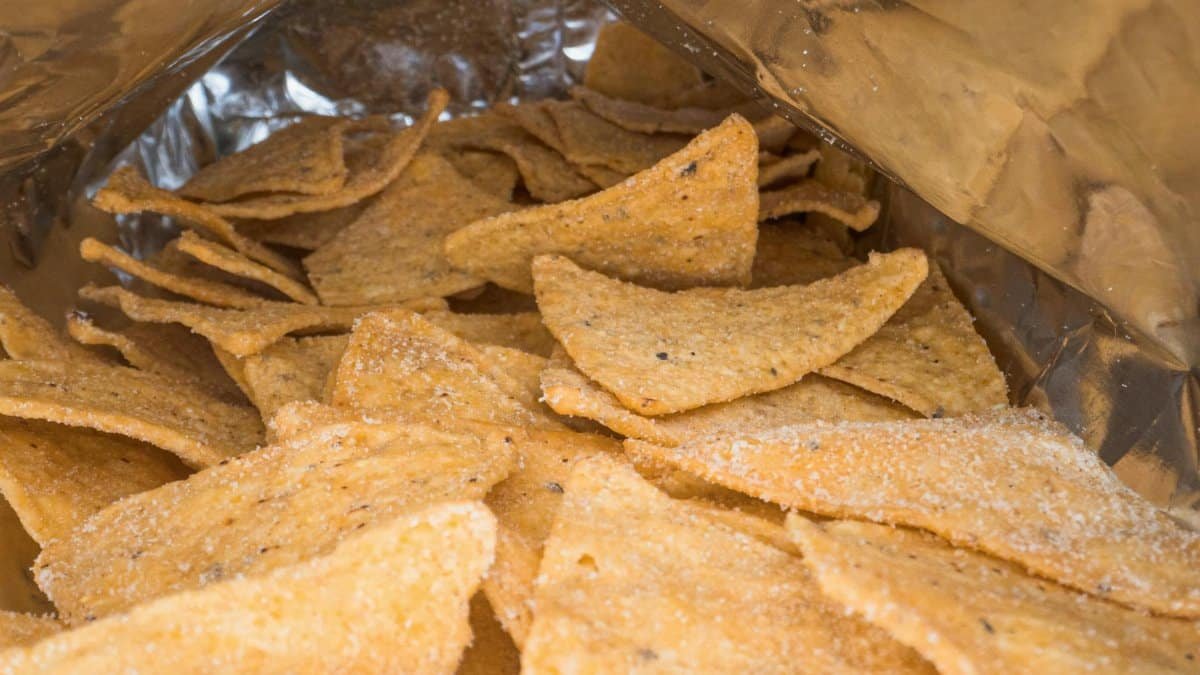
Viral videos don’t lie: brand new bags of shrinkflation chips sit only 30% full on store shelves. Shoppers across the U.S. are capturing the evidence, proving shrinkflation has invaded the snack aisle. Dated February 14, 2026, these clips confirm what consumers suspected—packages are shrinking while prices remain unchanged. This sneaky tactic means less product for the same cost, fueling widespread frustration. No longer just a hunch, the proof is in the half-empty bags staring back from grocery carts.
Viral Videos Spark Awareness

Social media exploded with footage of freshly stocked chip bags that look deceptively full from the outside. Viewers watch in disbelief as new packages flop open to reveal just 30% product inside. These clips, shared widely since early 2026, have turned everyday snack runs into viral moments. Consumers point cameras at brands in major U.S. stores, documenting the air-filled voids. The videos cut through doubt, showing shrinkflation chips in real time. No edits, no tricks—just bags that weigh less than expected.
Shrinkflation Hits the Snack Aisle
The snack aisle, once a reliable indulgence, now battles shrinkflation head-on. Chips lead the charge, with bags arriving lighter than before. Reports from February 14, 2026, highlight this shift as a clear trend. Companies reduce package contents without fanfare, leaving air to fill the space. U.S. shoppers notice the change during routine trips. This isn’t isolated—it’s a pattern across popular crisp varieties. The tactic keeps shelves looking stocked while trimming what buyers take home.
Bags Only 30% Full Confirmed

Measure it yourself: brand new bags of chips hold just 30% of their capacity in product. Viral evidence from store shelves backs this up precisely. The rest? Empty space designed to mimic fuller packaging. Dated observations from February 14, 2026, nail the issue. Shoppers shake bags and pour out contents, proving the shortfall. This 70% void shocks viewers, turning casual posts into national talking points. Shrinkflation chips expose a stark reality—no more chips per dollar.
You’re Not Imagining It

Doubters take note: shrinkflation in chips is real, not a trick of the eye. Viral videos provide irrefutable proof from U.S. grocery stores. Bags stamped with fresh dates flop open to barely 30% fill. February 14, 2026, marked the moment confirmation spread online. Consumers report the same across regions, from coasts to heartland. This validates long-held suspicions. No conspiracy needed—the evidence plays out in plain sight, bag by bag.
Prices Stay the Same Amid Cuts
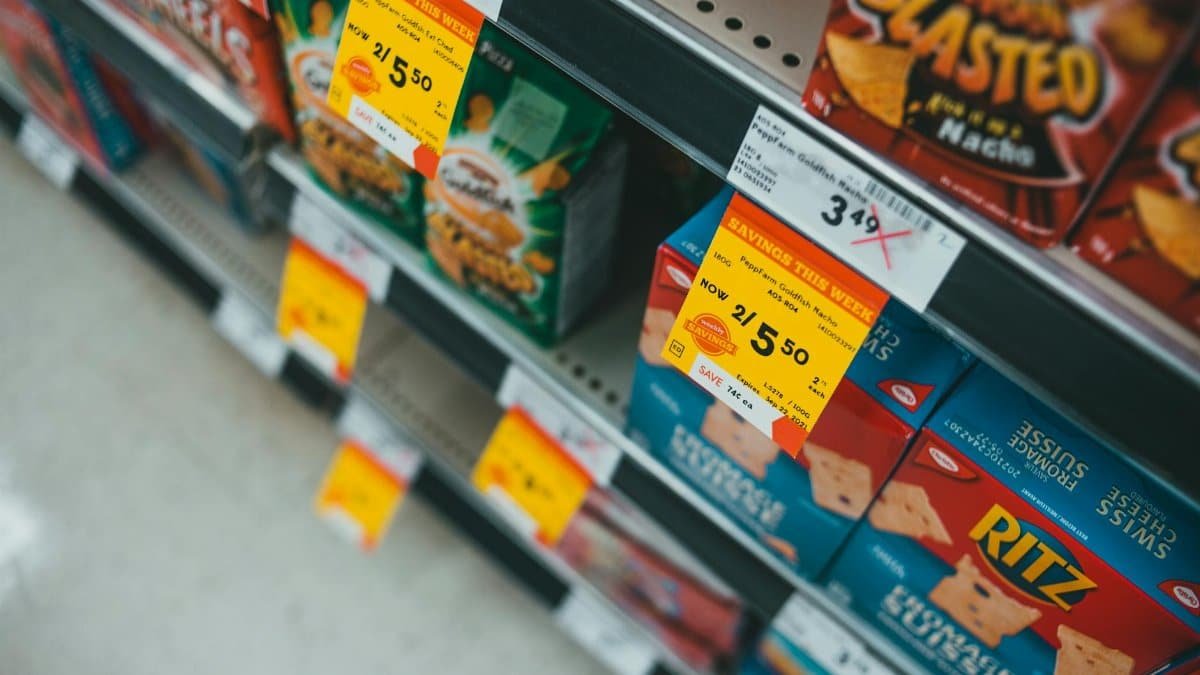
Here’s the sting: companies slash chip quantities but hold prices steady. A bag that once brimmed now offers 30% less for the identical sticker price. Viral clips underscore this disconnect, showing cost per ounce climbing quietly. In 2026 U.S. markets, this means shoppers pay more effectively for snacks. The strategy flies under radar, but social proof outs it. Less product, same shelf tag—pure shrinkflation chips at work. For details on how this ties to broader pricing trends, see Consumer Reports on Shrinkflation.
Consumer Frustration Builds Nationwide

Anger simmers as U.S. snack fans confront lighter bags. Viral videos amplify the rage, with comments flooding in about wasted money. February 14, 2026, clips capture the moment of truth—opening a 30% full package. Shoppers feel cheated, voicing demands for transparency. This isn’t minor; it hits family budgets in aisles everywhere. Social shares turn personal gripes into a chorus. Shrinkflation chips ignite financial fury, pushing calls for better labeling.
How Shrinkflation Works in Snacks

Shrinkflation chips boil down to smaller servings at unchanged prices. Manufacturers trim contents—down to 30% full in viral cases—while packaging stays familiar. Air pads the difference, fooling quick glances. February 14, 2026, reports spotlight chips as prime examples. Economic pressures drive this, but consumers bear the load. Bags weigh less, ounces vanish, yet checkout totals hold. For economic context on such practices, check BLS Consumer Price Index Factsheet, which covers related quality adjustments.
Spotting It on Store Shelves
Next grocery run, inspect those chip bags closely. Shake for heft, check weights if listed. Viral 2026 videos train eyes to spot the signs: puffed exteriors hiding 30% fills. U.S. stores stock them fresh, as February 14 footage shows. Compare old habits to now—less crunch per buck. Awareness spreads via shares, arming buyers. Shrinkflation chips thrive in silence, but vigilance counters it. Demand weighs in at registers.
Broader Impact on U.S. Shoppers

Shrinkflation chips signal deeper 2026 trends in U.S. groceries. Lighter bags mean tighter budgets for everyday treats. Viral proof from February 14 drives home the squeeze—30% less for full price. Families recalculate indulgences, opting for value elsewhere. This reshapes snack choices nationwide. Consumer power grows through exposure, pressuring change. The snack aisle fight reflects wider cost battles, one deflated bag at a time.