

February 12, 2026 – Mouth taping, the practice of using medical tape to seal the mouth shut at night, forces nose breathing and promises real results. It looks scary at first glance—tape across the lips—but doctors insist it works. This viral sleep hack targets snoring head-on, turning a simple nighttime ritual into a cure. As awareness spreads across the U.S., more people wake up refreshed, breathing easier through their noses.
What Exactly Is Mouth Taping?
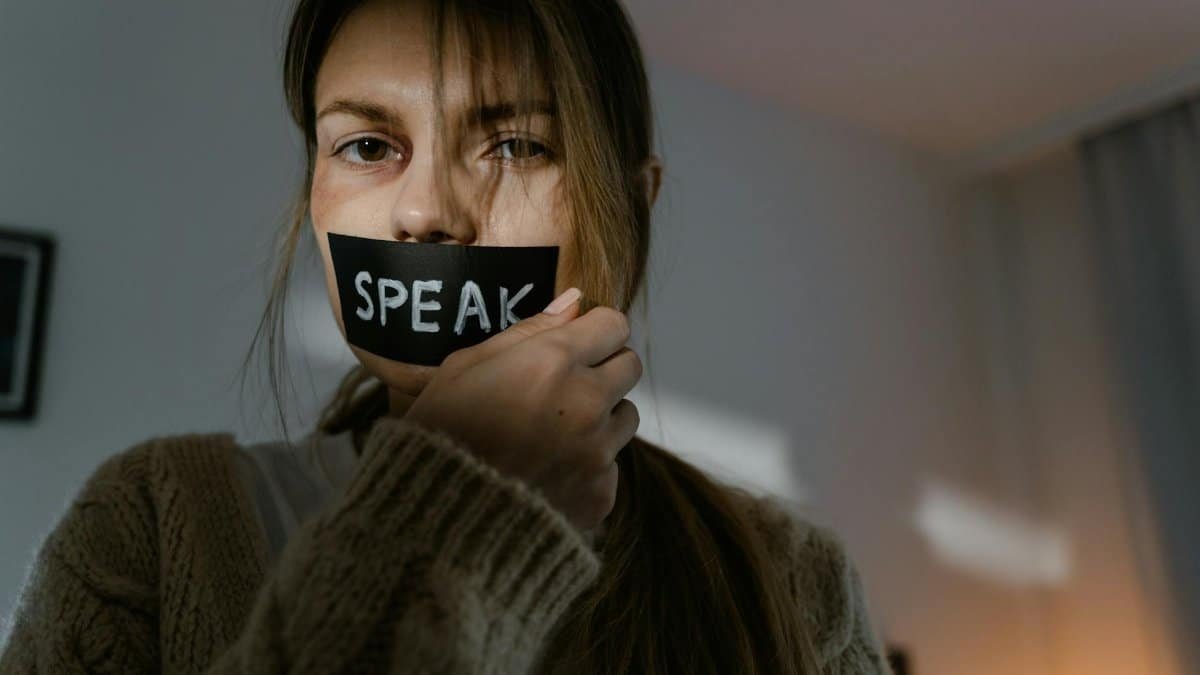
Mouth taping starts with a strip of medical tape applied vertically over the lips before bed. The goal is straightforward: block mouth breathing entirely, compelling the body to rely on the nose. This isn’t some fringe experiment. It’s a deliberate hack designed for nighttime use, rooted in the idea that nose breathing outperforms mouth breathing during sleep. Doctors highlight its precision—gentle pressure ensures compliance without discomfort for most users. The tape, often porous and skin-friendly, peels off easily in the morning. In 2026, this method surges in popularity as a low-tech fix amid rising sleep concerns.
Why It Looks So Scary

Tape on the mouth evokes panic. Images of bound lips trigger instinctive fear, like something out of a thriller. Yet proponents stress the illusion fades fast. The tape sits lightly, allowing jaw movement and speech if needed during wake-ups. No suffocation risk exists for healthy noses; it’s engineered for airflow through nasal passages. Critics pause at the visuals, but users report adaptation within nights. Doctors downplay the fright, focusing on function over form. This visual hurdle hasn’t stopped the trend—virality thrives on shock value turning to success stories.
The Viral Explosion of Mouth Taping

Social media fuels the fire. Videos of before-and-after snoring demos rack up millions of views. Hashtags trend weekly, with everyday Americans sharing tape routines. What began as niche advice from sleep specialists now dominates U.S. wellness feeds in 2026. The hook? Simplicity. No gadgets, no pills—just tape from a drugstore. Word spreads through testimonials: partners reclaim quiet nights, couples report harmony. Doctors amplify the buzz, validating claims in interviews and posts. This grassroots momentum positions mouth taping as the sleep hack of the moment.
Doctors Weigh In: It Actually Cures Snoring
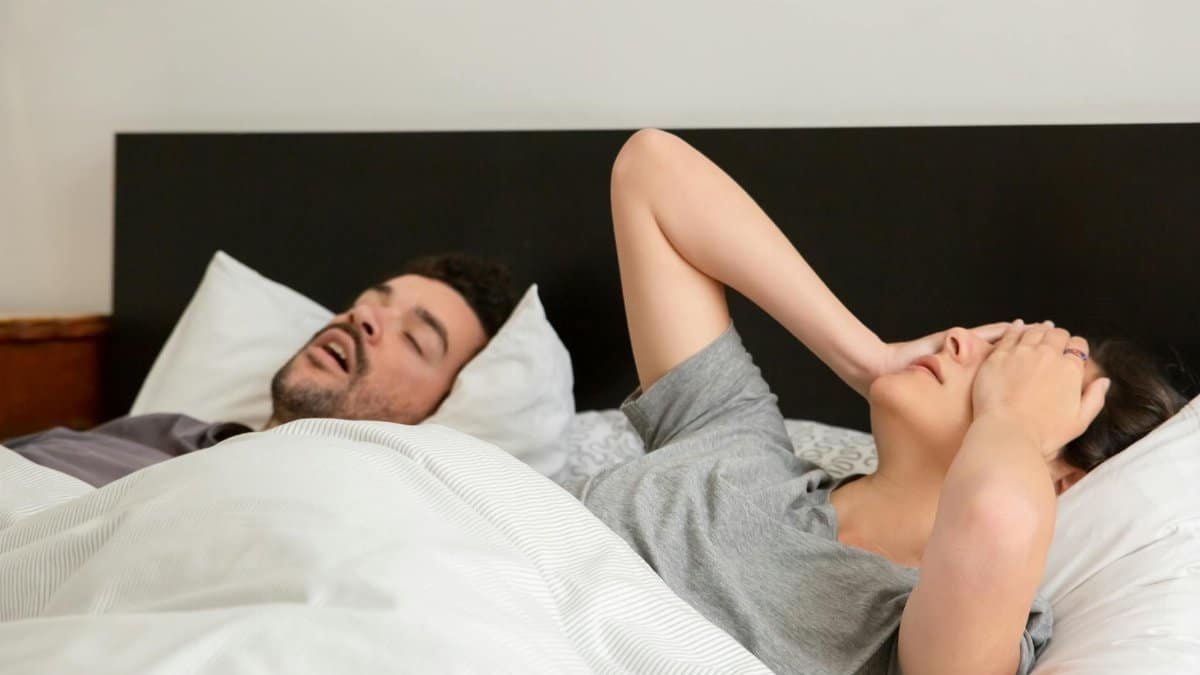
Medical pros don’t mince words. They call mouth taping a snoring cure. Snoring stems from mouth breathing, which vibrates throat tissues and disrupts oxygen flow. By enforcing nasal routes, the hack stabilizes airways. Experts note reduced turbulence leads to quieter, deeper sleep. Not a Band-Aid—it’s a reset. U.S. physicians, from general practitioners to sleep specialists, endorse it for mild cases. For details on mechanisms, the Sleep Foundation outlines how nasal breathing minimizes vibrations. Cleveland Clinic experts echo this, per their guide at health.clevelandclinic.org.
How Nose Breathing Powers the Fix
Nose breathing filters, warms, and humidifies air—essentials mouth breathing skips. At night, this upgrade matters. Nasal passages produce nitric oxide, boosting oxygen uptake and vessel dilation. Mouth openers lose these perks, inviting dry throats and collapses. Tape enforces the switch, training habits over time. Doctors observe consistent use rewires patterns, slashing snores long-term. In 2026 U.S. trends, this physiological edge draws skeptics into believers. No complex science needed—just biology at work.
Snoring’s Toll and Mouth Taping’s Relief

Snoring robs sleep quality. It jolts partners awake, fragments rest, and signals deeper issues like apnea risks. Mouth taping strikes at the root. By curing the noise, it restores calm nights. Users breathe steadily, avoiding the gulps and gasps. Doctors track improvements: fewer interruptions, better oxygenation. This hack shines for everyday snorers, not just extremes. American households feel the shift—less fatigue, sharper days. The proof lies in refreshed mornings, validated by clinical nods.
Safety First: Who Should Try It?
Doctors greenlight mouth taping for clear nasal passages. Test daytime nose breathing first; congestion disqualifies. Start with short trials, quality tape only. Side effects? Rare, mostly skin irritation. Consult pros for doubts—it’s no universal fix. U.S. guidelines stress personalization. In 2026, awareness campaigns push safe adoption, countering viral hype with caveats. The consensus: effective when right.
Beyond the Tape: Real-World Impact
Adopters transform routines. Bedrooms quiet down. Energy rebounds. Mouth taping proves small changes yield big wins. Doctors champion it amid sleep crisis stats—over a third of Americans battle poor rest. This hack democratizes relief, no prescriptions required. Virality meets medicine, reshaping 2026 nights. Skeptics convert; the scary tape delivers.