
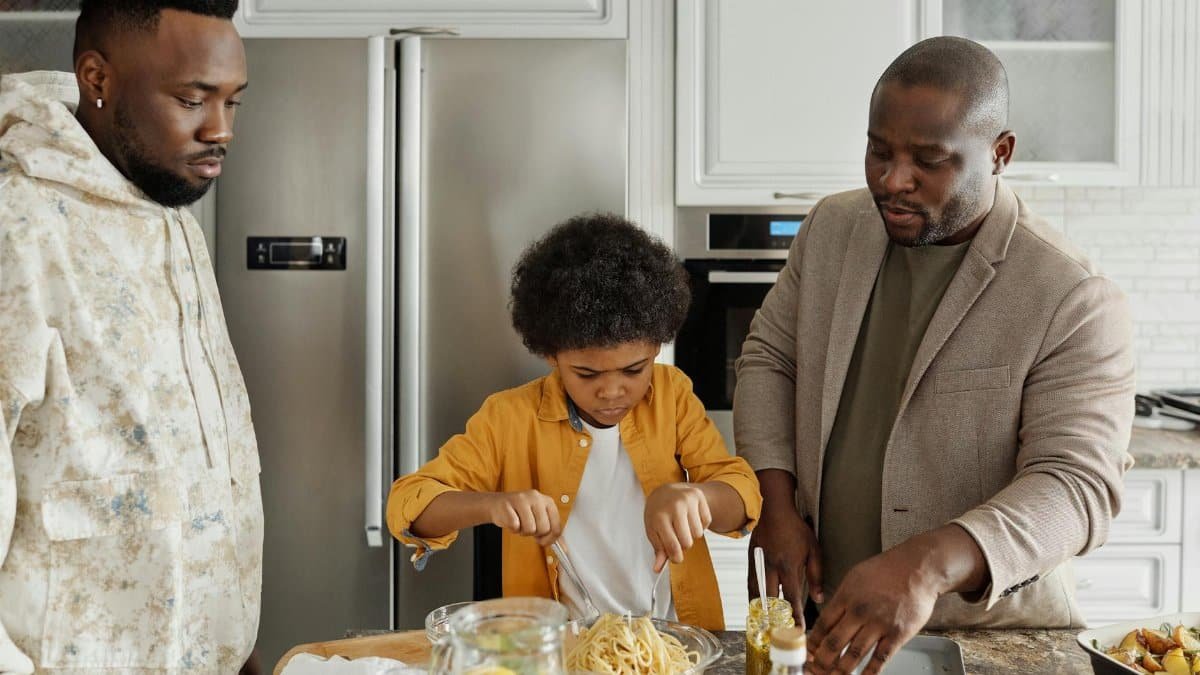
February 10, 2026 – Chaos cooking marks a sharp turn in everyday meals. This trend ditches strict recipes for aggressive blends of global cuisines, such as pastrami tacos or pizza ramen. Home cooks lead the charge, fueling a rebellious food movement that now shapes dinner tables across the U.S. No more rigid guidelines—just bold, rule-breaking experiments that capture the spirit of 2026 dining.
What Defines Chaos Cooking?

Chaos cooking thrives on fusion without limits. It rejects cookbook precision, urging cooks to mash up flavors from distant culinary worlds. Pastrami, a deli staple, meets Mexican taco shells. Ramen noodles tangle with pizza toppings. This approach prioritizes spontaneity over tradition. Diners seek thrill in the unexpected. The result? Meals that spark conversation and defy norms. In U.S. kitchens, this shift signals broader tastes for innovation amid routine.
Putting the Recipe Book Aside
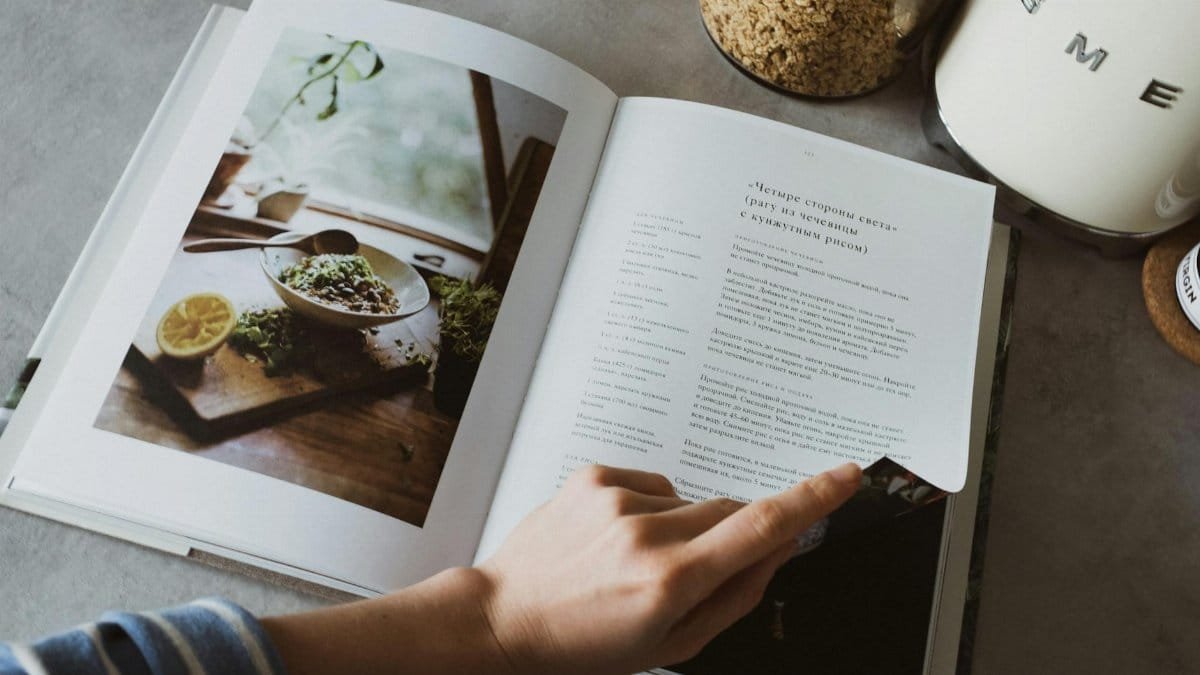
Traditional recipes demand measured steps and proven pairings. Chaos cooking flips that script. Cooks toss aside printed guides, relying on instinct and pantry raids. No timers. No exact ratios. The freedom empowers even novices to create. This rebellion resonates in busy households, where dinner prep often feels like a chore. By ignoring rules, chaos cooking turns cooking into play. Families report more fun at the table, as the process becomes the highlight.
Aggressive Cuisine Mixing at Its Core

The hallmark of chaos cooking lies in its bold clashes. Take savory meats from one culture slamming into carbs from another. Aggression here means no half-measures—full commitment to the mashup. This mirrors rising U.S. interest in global eats, as diverse populations influence home plates. Reports from federal food trackers note increased experimentation with imports and hybrids. For details on evolving consumption patterns, see the USDA Economic Research Service on Food Consumption. Chaos cooking amplifies that momentum into dinner chaos.
Pastrami Tacos Lead the Charge
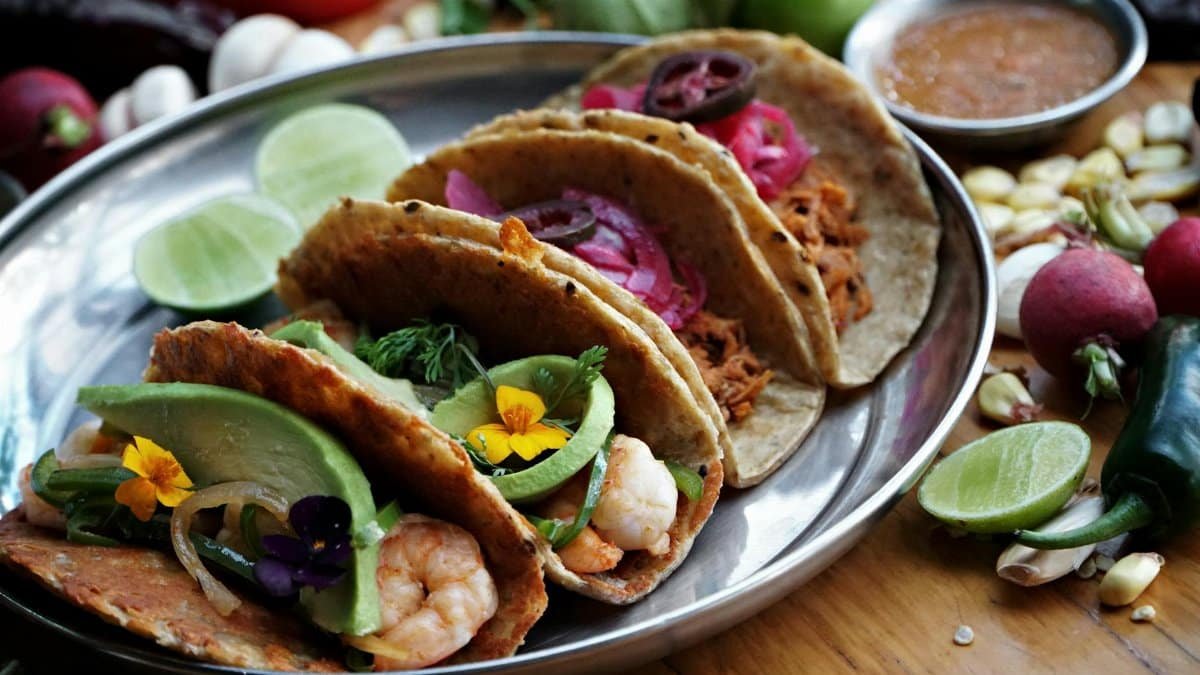
Pastrami tacos embody the trend’s audacity. Smoky, spiced pastrami—rooted in Jewish-American delis—gets wrapped in corn tortillas with fresh toppings. The salt-rubbed beef contrasts crisp shells and zesty salsas. Cooks layer without apology, creating a handheld marvel. This dish exemplifies how chaos cooking bridges continents in one bite. It’s quick for weeknights yet feels indulgent. Variations pop up nationwide, from food trucks to family counters, proving the concept’s stickiness.
Pizza Ramen Breaks Boundaries
Pizza ramen pushes fusion further. Chewy ramen noodles sub for crust, smothered in tomato sauce, cheese, and pepperoni. Italian pizza meets Japanese noodles in a steaming bowl. The mix yields gooey comfort with slurp-worthy fun. Chaos cooking shines here: everyday staples transform into something wild. No oven needed—just a pot and creativity. This dish highlights the trend’s accessibility, drawing in skeptics who crave familiar twists on bold ideas.
The Rebellious Edge of the Movement
Chaos cooking stands as a full food rebellion. It challenges culinary gatekeepers who preach purity. In 2026, amid polished social media feeds, this raw style rebels against perfection. Cooks embrace “imperfect” results—maybe uneven melts or spicy surprises. That grit appeals to a generation tired of trends. It’s democratic: anyone with basics can join. The movement gains traction as diners reject bland repetition for flavorful anarchy.
Redefining the Dinner Hour
Dinner in 2026 bows to chaos cooking. Mealtimes evolve from scripted routines to adventure zones. Families gather not just to eat, but to invent. The trend injects energy into evenings, fostering bonds over shared experiments. U.S. eating habits lean toward variety, per ongoing surveys. For context on shifting nutrition trends, check Pew Research on American Food Habits, which underscores openness to new combos. Chaos cooking cements its role as the dinner definer.
Why This Trend Dominates Now

Timing fuels chaos cooking’s rise. Post-pandemic kitchens saw stockpiled goods begging for use. Global travel memories inspire wild pairings. Economic pressures favor home hacks over takeout. The result? A movement that maximizes what’s on hand. Pastrami tacos and pizza ramen showcase thrift wrapped in excitement. In 2026, it captures a cultural pivot toward joyful disruption. Cooks report higher satisfaction, as meals reflect personal flair over convention.
Chaos Cooking’s Lasting Dinner Impact

This trend reshapes how America eats at home. By defining 2026 dinners, chaos cooking sets a template for flexible feasting. It proves rebellion can be delicious. From pastrami tacos to pizza ramen, the message is clear: mix boldly, eat freely. As the movement spreads, expect more homes to shelve recipes for good. The era of controlled cooking fades, replaced by flavorful free-for-alls.