
Up to 80% of “Extra Virgin” olive oil sold in U.S. supermarkets contains cheap seed oils, according to a February 4, 2026, report. Consumers shell out premium prices for what labels promise as pure, health-boosting olive oil. Instead, they’re getting vegetable oil blends. This fake olive oil scam undercuts the benefits of real extra virgin olive oil, packed with antioxidants and heart-healthy fats. The revelation hits hard in 2026, as demand for Mediterranean diet staples surges amid rising health awareness.
The Shocking Report Unveiled

A bombshell report dropped on February 4, 2026, exposing widespread fraud in the olive oil aisle. It lays bare how shoppers pay top dollar for bottles marked “Extra Virgin.” The reality? Many are diluted with inferior alternatives. This isn’t a minor mix-up. The findings point to a systemic issue plaguing U.S. shelves. For years, suspicions swirled, but this update quantifies the deception at staggering levels. Americans trust supermarket brands for quality. Now, that trust crumbles under the weight of hard data.
80% of Extra Virgin Olive Oil Affected
The report’s core claim stuns: up to 80% of “Extra Virgin” olive oil in U.S. supermarkets fails purity tests. This means the majority of bottles don’t deliver on their label. Shoppers grab familiar names, expecting authenticity. Instead, they encounter widespread adulteration. The figure underscores a crisis in supply chains. From coast to coast, the problem spans major retailers. In 2026, with olive oil prices climbing due to global shortages, the stakes feel even higher. Families stock pantries, unaware they’re buying counterfeits.
Seed Oils: The Cheap Substitute
Fake olive oil thrives on sneaky swaps. Producers cut genuine extra virgin with cheap seed oils like soybean or sunflower varieties. These fillers slash costs dramatically. Vegetable oils mimic olive oil’s look and pour. But they lack the polyphenols and monounsaturated fats that define real extra virgin. The report highlights this blending as routine practice. U.S. consumers foot the bill for purity they never receive. Seed oils dominate the mix, turning premium products into budget blends.
Why “Extra Virgin” Labels Mislead
“Extra Virgin” signals the highest grade—cold-pressed, unrefined, flavorful. Yet the report shows labels mean little. Up to 80% of these bottles harbor seed oil contaminants. Regulations lag behind fraudsters’ tricks. Supermarkets stock them without question. The term “Extra Virgin” loses power when vegetable oils infiltrate. Buyers associate it with health perks, like reduced inflammation. Fake versions deliver none of that. In 2026, label scrutiny becomes essential amid this betrayal.
Health Risks from Inflammatory Oils
Real extra virgin olive oil fights inflammation with its natural compounds. Fake olive oil flips the script. Seed oils, often high in omega-6 fats, promote inflammation when overconsumed. The report flags this swap as dangerous. Americans pour these blends on salads, into dressings, over meals. They seek heart protection and anti-aging benefits. Instead, they ingest pro-inflammatory substitutes. Long-term effects compound in diets heavy on adulterated oils. Wellness trends in 2026 amplify the concern—people chase purity, but find deception.
To back this up, studies on olive oil integrity align with the report’s warnings. The UC Davis Olive Center has long documented sensory and chemical failures in commercial extra virgin olive oils, often due to adulteration.
U.S. Supermarkets at the Epicenter
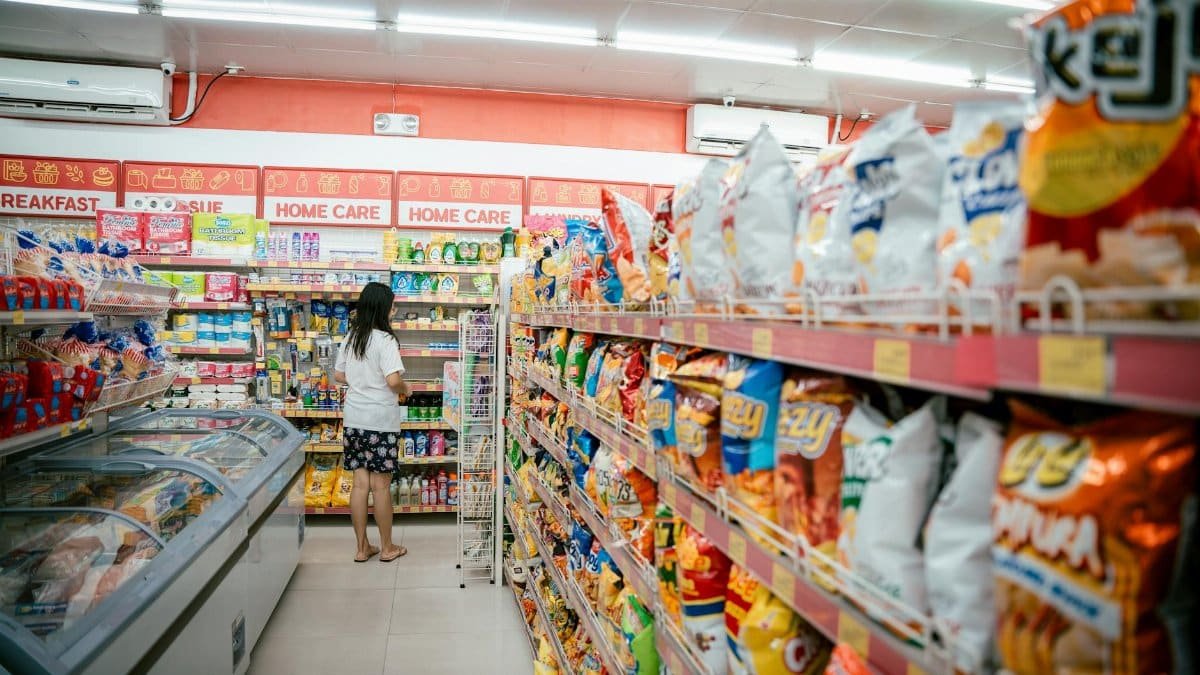
Major U.S. supermarkets bear the brunt. Shelves overflow with suspect bottles from various importers. The report targets domestic retail, not just imports. Everyday chains stock the fakes alongside genuine goods. Shoppers in California, New York, Texas—all face the same odds. Up to 80% adulteration rate spans regions. Global supply disruptions in 2026 exacerbate reliance on questionable sources. Retailers prioritize volume over verification. Consumers pay the price, literally.
Financial Sting for Shoppers
You’re paying for vegetable oil, the report declares bluntly. Extra virgin olive oil commands $10 to $20 per liter. Seed oil blends cost producers pennies. The markup enriches fraudsters while shortchanging buyers. Annual U.S. olive oil sales top billions. If 80% proves fake, billions vanish into thin air. Households waste money on inferior product. In 2026’s economy, every dollar counts. This scam erodes confidence in grocery staples.
Federal oversight echoes these issues. The FDA’s import alerts on misbranded olive oil highlight ongoing adulteration battles, supporting domestic retail concerns.
Broader Implications for 2026 Trends

Olive oil fraud reshapes U.S. eating habits. Health enthusiasts pivot to verified sources. Demand spikes for certified pure options. Yet supply remains tainted. The report ignites calls for transparency, though details stay sparse. In 2026, keto, paleo, and anti-inflammatory diets lean on olive oil. Fake versions undermine those efforts. Seed oil infiltration questions pantry basics. Awareness spreads via social media and news. Shoppers demand accountability from brands and regulators alike.
Spotting the Deception
While the report doesn’t prescribe tests, its scale urges vigilance. Taste real extra virgin: fruity, peppery, bitter. Fakes taste flat, greasy. Check harvest dates—fresh beats aged blends. Dark bottles protect from light degradation. Price extremes signal risks. Supermarket dominance of fakes pushes informed choices. In 2026, apps and labels may evolve, but for now, skepticism rules. The 80% figure demands action. Pure olive oil exists—seek it wisely.
Path Forward Amid the Fraud
The February 2026 report catalyzes change. U.S. consumers deserve untainted extra virgin olive oil. Seed oil cuts betray health promises. With up to 80% affected, urgency builds. Retailers face pressure. Brands tout purity claims. Shoppers adapt, reading between labels. This scandal defines olive oil’s story this year. Vegetable oil in disguise ends now—or at least, buyers fight back informed.