
ENT doctors are issuing a desperate plea: stop using cotton swabs in your ears. The simple act, meant to clean, is actually compacting earwax against the eardrum, leading to serious hearing loss. Dated February 11, 2026, this warning highlights a pervasive q tip danger that’s worsening ear health across the U.S. Patients think they’re helping, but experts say it’s making problems far worse. As cases rise, the medical community urges a nationwide rethink of this everyday habit.
The Urgent Cry from ENT Specialists

Ear, nose, and throat doctors, known as ENT specialists, are at their wits’ end. They’re pleading directly with patients to abandon cotton swabs entirely. These tools, often called Q-tips, promise quick relief from itchy ears or visible wax. Instead, they deliver harm. The message is clear and repeated in clinics nationwide: you’re making it worse. This February 11, 2026, alert underscores a trend where misguided self-cleaning routines dominate U.S. households.
How Cotton Swabs Betray Your Ears
Cotton swabs seem harmless, with their soft tips designed for precision. But inside the ear canal, they act like pistons. Users push wax deeper, compacting it against the sensitive eardrum. This impaction blocks sound waves, muffling hearing over time. ENT doctors emphasize that ears are self-cleaning organs. Wax migrates out naturally. Interfering with swabs disrupts this process, turning a protective barrier into a damaging plug.
Earwax Impaction: The Core Problem

Earwax, or cerumen, shields the ear canal from dust, bacteria, and water. When swabs enter the picture, they shove this wax inward. The result? A hard buildup presses on the eardrum, known medically as the tympanic membrane. This pressure distorts vibrations needed for hearing. Doctors report this as a leading cause of conductive hearing loss, where sound can’t travel properly to the inner ear. The q tip danger lies in this forceful relocation of natural defenses.
Direct Link to Hearing Loss
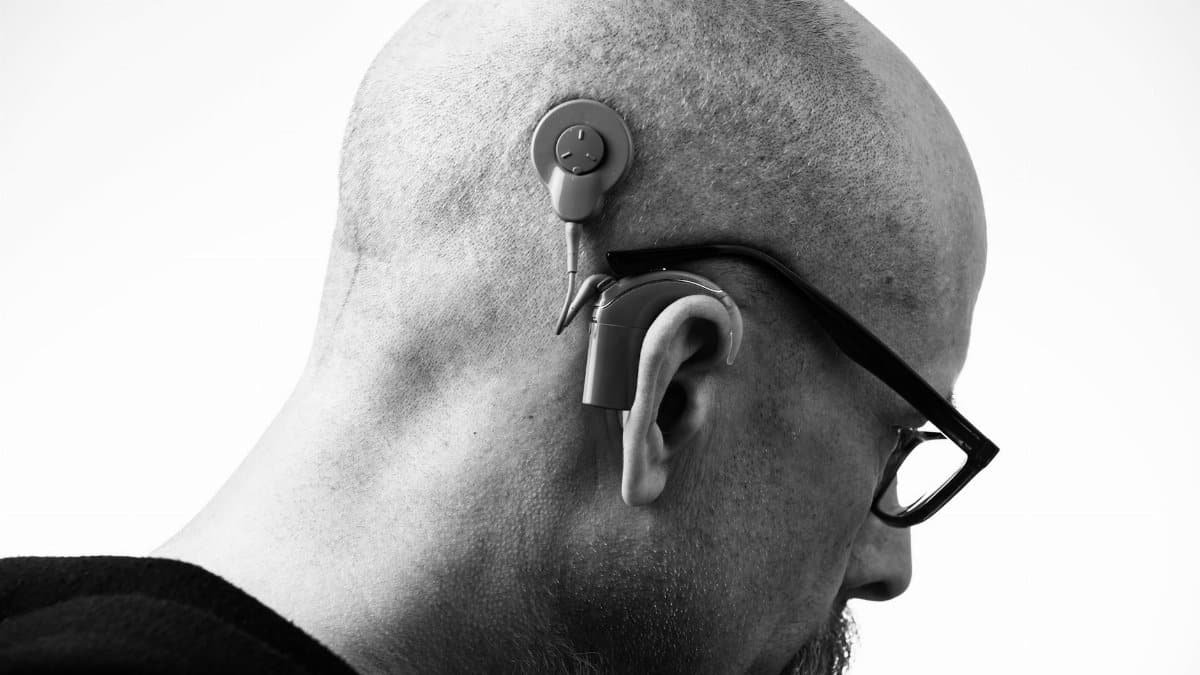
Hearing loss from this habit strikes quietly. Initial symptoms include muffled sounds or a feeling of fullness. Untreated, it escalates. Impacted wax vibrates poorly against the drum, reducing auditory signals to the brain. ENT specialists warn that repeated use guarantees progression. In 2026 U.S. trends, more patients seek help for swab-induced damage, straining healthcare resources. The plea is urgent: halt the practice to preserve hearing.
Why Patients Ignore the Warnings

Despite clear advice, many persist. Marketing portrays cotton swabs as essential for hygiene. Patients feel the swab’s satisfaction, unaware of the deeper push. ENT doctors counter this in every consult: swabs compact, they don’t remove. This denial fuels the cycle. Clinics see repeat visits from those who “clean” weekly, only to return with worsened blockages. Breaking this habit requires rethinking ear care basics.
The Self-Cleaning Miracle of Ears
Ears evolved to manage wax without tools. Jaw movement during chewing pushes wax outward. Shed skin cells carry it to the canal’s opening, where it flakes away. Swabs interrupt this. By jamming wax against the drum, they override nature’s design. Doctors plead for trust in this process. In a 2026 landscape of health awareness, embracing ear anatomy could prevent countless cases of avoidable loss.
Safer Paths Forward

ENT experts offer simple alternatives. Warm water irrigation flushes wax gently. Over-the-counter drops soften buildup for natural exit. Professional cleanings handle stubborn cases. The key? Never insert anything smaller than your elbow. This mantra drives the anti-swab campaign. Patients heeding it report clearer hearing without risk. As warnings amplify in 2026, adoption could slash impaction rates nationwide.
A Growing Public Health Concern

The q tip danger resonates beyond individual ears. It burdens U.S. healthcare with preventable visits. ENT doctors’ pleas aim to shift behaviors early. Education campaigns stress the mechanics: swab meets wax, wax meets drum, hearing fades. Awareness peaked with the February 11 alert, urging media and families to spread the word. Ignoring it risks a silent epidemic of hearing impairment.
For deeper insight, consult resources from trusted health authorities. The Mayo Clinic on Q-tip risks details the compaction dangers. Similarly, the American Academy of Otolaryngology reinforces doctors’ warnings against swab use. These confirm ENT specialists’ stance: stop now to safeguard hearing.