

Doctors are issuing a stark warning: skipping water for days under the banner of “dry fasting” could be deadly. On February 9, 2026, medical experts slammed the viral trend, where influencers push abstaining from all fluids to supposedly “reset” cells. The dry fasting danger is clear—you need water to live. As social media hype grows, physicians urge the public to ignore the fad before it claims lives.
What Is Dry Fasting?

Dry fasting takes intermittent fasting to an extreme. Participants consume no food and, crucially, no water for extended periods, often days. Influencers on platforms like Instagram and TikTok promote it as a cellular “reset,” claiming it triggers autophagy—a process where the body cleans out damaged cells. But doctors say this ignores basic biology. Without water intake, the body can’t function, leading to rapid dehydration.
Influencers Driving the Trend

Social media stars have turned dry fasting into a 2026 sensation. They share before-and-after photos and testimonials, touting clearer skin, weight loss, and mental clarity. Videos rack up millions of views, with challenges daring followers to go 24, 48, or even 72 hours dry. In the U.S., where wellness trends spread fast, this has caught fire among fitness enthusiasts and spiritual seekers. Yet, no evidence supports the “reset” beyond hype.
Doctors’ Stern Warning
On February 9, 2026, physicians across the country spoke out. “You need water to live,” they emphasized in press statements and interviews. The American Medical Association and leading hospitals echoed the alert, calling dry fasting a reckless gamble. Experts warn that even short stints without fluids overwhelm the kidneys and disrupt electrolytes, far outweighing any unproven benefits.
The Essential Role of Water
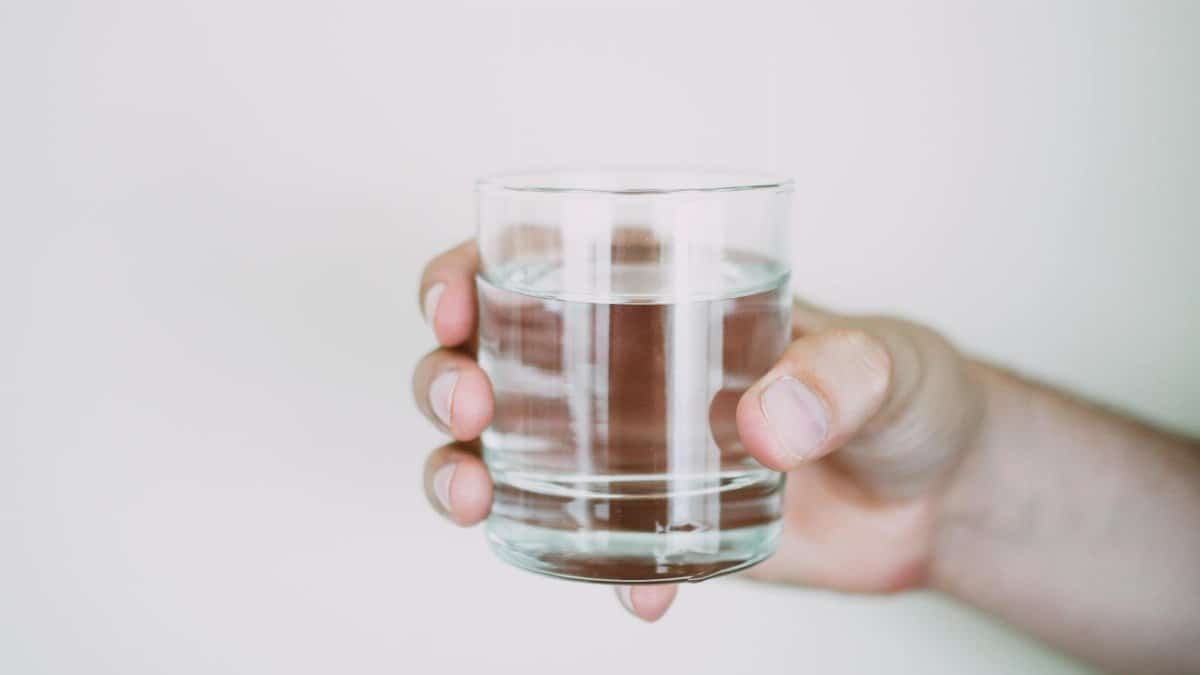
Water makes up 60% of the human body. It regulates temperature, transports nutrients, and flushes toxins. Dehydration hits fast—symptoms start within hours: dry mouth, dizziness, fatigue. Prolonged dry fasting, as influencers advocate, pushes into organ failure territory. For more on dehydration basics, see the MedlinePlus guide from the National Library of Medicine.
Heightened Dry Fasting Danger
The dry fasting danger escalates with duration. Day one brings headaches and confusion. By day two, blood thickens, straining the heart. Days three and beyond risk kidney shutdown, seizures, and coma. Vulnerable groups—athletes, the elderly, those in hot climates—face amplified threats. U.S. doctors note rising ER visits tied to extreme fasts, mirroring 2026 wellness fads gone wrong.
Debunking the Cellular “Reset”

Influencers cite autophagy as justification, but dry fasting perverts the science. Mild calorie restriction can spark cell repair, but zero water halts it. The body shifts to survival mode, breaking down muscle for hydration—a counterproductive “reset.” Medical consensus: hydration is key to any detox. For insights on safe fasting limits, check the Mayo Clinic’s dehydration overview.
Real-World Warnings from Experts

U.S.-based doctors aren’t mincing words. Nephrologists highlight kidney stress, as water scarcity concentrates urine toxins. Cardiologists warn of irregular heartbeats from electrolyte loss. In 2026, with social media amplifying risks, hospitals prepare for a spike in admissions. The message is uniform: trends don’t trump physiology.
Steering Clear of the Fad

Experts recommend safer alternatives like water fasting or balanced intermittent fasting with fluids. Hydrate steadily—aim for half your body weight in ounces daily. Consult a doctor before any fast. The dry fasting danger underscores a broader 2026 lesson: influencer advice isn’t medical counsel. Stick to science-proven habits.
In summary, the February 9, 2026, doctor alerts cut through the noise. Dry fasting promises transformation but delivers peril. Water isn’t optional—it’s survival. As the trend grips U.S. social feeds, heeding professionals could prevent tragedy.