
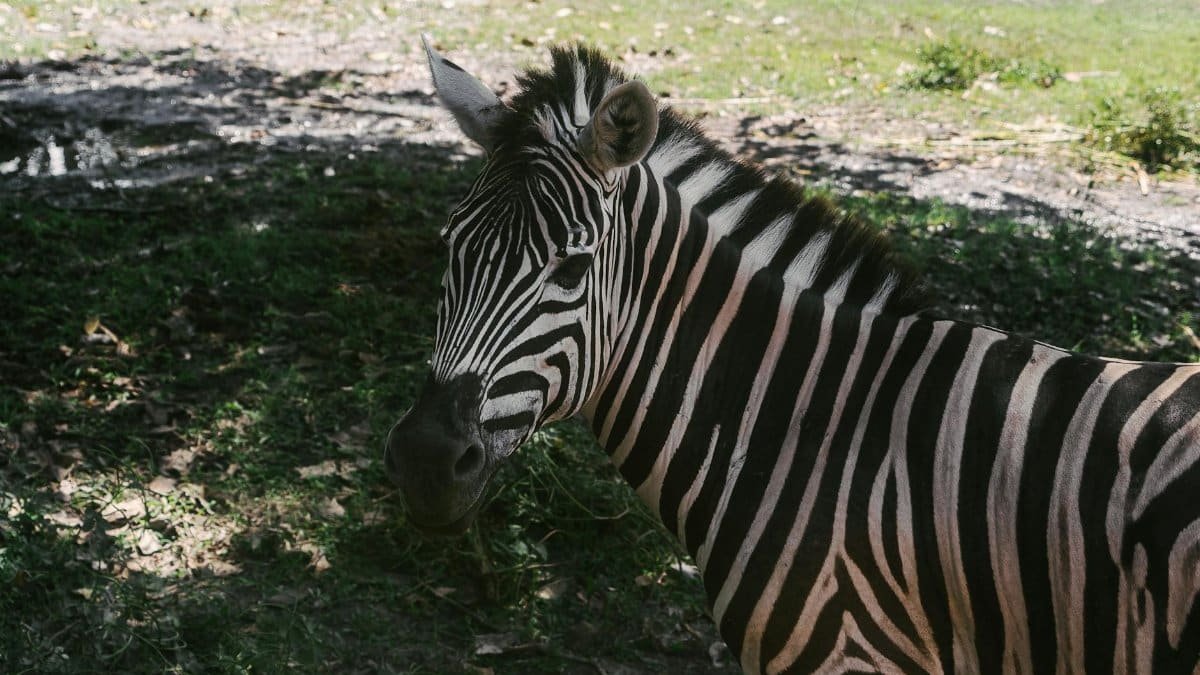
Farmers across the U.S. are grabbing paintbrushes to battle biting flies, turning their herds into walking zebra impressions. What sounds like a prank is pure science: studies confirm zebra stripes on cows confuse the pests, slashing the need for chemical pesticides. Dated February 11, 2026, this trend promises cleaner pastures and healthier livestock without the spray. As “painted cows flies” gains traction, it’s reshaping pest control one black-and-white bovine at a time.
The Illusion of Stripes

Cows decked out in zebra stripes look absurd at first glance. Farmers apply non-toxic black and white patterns mimicking wild zebras. The visual trick works against biting flies, which struggle to land on the disrupted surface. This isn’t guesswork—it’s rooted in optical confusion that throws off insect vision. Biting flies target solid-colored hides for easy meals, but stripes scramble their approach, leading to fewer bites and less irritation for the animals.
Science Over Pranks

Skeptics might laugh, but research validates the method. Studies reveal the pattern significantly cuts fly harassment. Flies rely on polarized light and motion cues to zero in on hosts. Zebra stripes break up these signals, making cows less appealing targets. Japanese researchers pioneered tests showing painted cows endured far fewer attacks than unpainted ones. This approach mirrors nature’s design, where zebras evolved stripes partly for fly defense. U.S. farmers now test it amid rising pesticide resistance concerns.
Farmers Take Action

Practicality drives adoption. Farmers mix safe, washable paints and apply broad stripes across cow flanks and legs—prime fly zones. The process takes minutes per animal, fitting busy routines. Early adopters report calmer herds with less tail-swishing and stomping. In 2026, as fly seasons intensify due to warmer weather, more operations experiment. It’s low-cost compared to sprays, appealing to budget-conscious ranchers nationwide.
Targeting Biting Flies

Biting flies like horseflies and stable flies torment livestock, spreading disease and stressing animals. They cause weight loss, reduced milk production, and open wounds. Painted cows flies disrupts this cycle directly. The stripes create a flickering effect in flight, disorienting insects mid-dive. Research quantifies the drop: painted subjects saw attacks plummet. This targets the pests without broad-spectrum chemicals that harm beneficial insects or soil.
Slashing Pesticide Use

Chemical pesticides dominate fly control but carry risks—residues in milk, environmental runoff, and fly immunity buildup. Zebra stripes offer a chemical-free alternative, significantly reducing spray reliance. Farmers report needing treatments half as often, if at all. This shift supports organic standards and cuts costs. In 2026, with regulations tightening on agrichemicals, the method aligns with sustainable goals, keeping pastures productive without pollution.
Evidence from Key Studies

Solid data backs the buzz. A landmark study by Chiba University researchers tested stripes on cows, documenting fewer landings by tabanid flies. Published in Scientific Reports, it showed painted cows attracted 50% fewer flies than controls. Complementary work on zebras reinforces the mechanism, linking stripes to reduced biting. U.S. extension services now reference these findings, urging trials. Another analysis from the Entomological Society of America highlights real-world applications, available via their publications archive.
Benefits Beyond the Herd

The ripple effects extend farmwide. Healthier cows mean better gains and yields—no pesticides mean cleaner products for consumers. Workers avoid handling toxic sprays, boosting safety. Environmentally, it spares waterways from chemical loads. In 2026, as climate shifts amplify fly populations, painted cows flies emerges as a resilient tactic. Ranchers share photos online, sparking curiosity and trials from California dairies to Midwest beef operations.
Practical Tips for Implementation

Start simple: use livestock-safe acrylic paints in bold black-white contrasts. Focus on belly, sides, and legs. Reapply after rain or weekly checks. Monitor fly counts pre- and post-painting to gauge success. Consult vets for paint approval. While studies focus on beef and dairy cows, early feedback suggests broad viability. This hands-on science empowers farmers to innovate without waiting for new regs.
A Shift in Pest Management
Painted cows flies challenges old-school fly control. It proves biomimicry—copying nature—beats synthetics in targeted defense. As 2026 unfolds, expect wider rollout. Universities and ag co-ops run demos, bridging research to fields. The prank-like visual packs serious punch, proving science hides in plain stripes. Farmers lead the charge, one painted hide at a time, toward pesticide-light futures.