
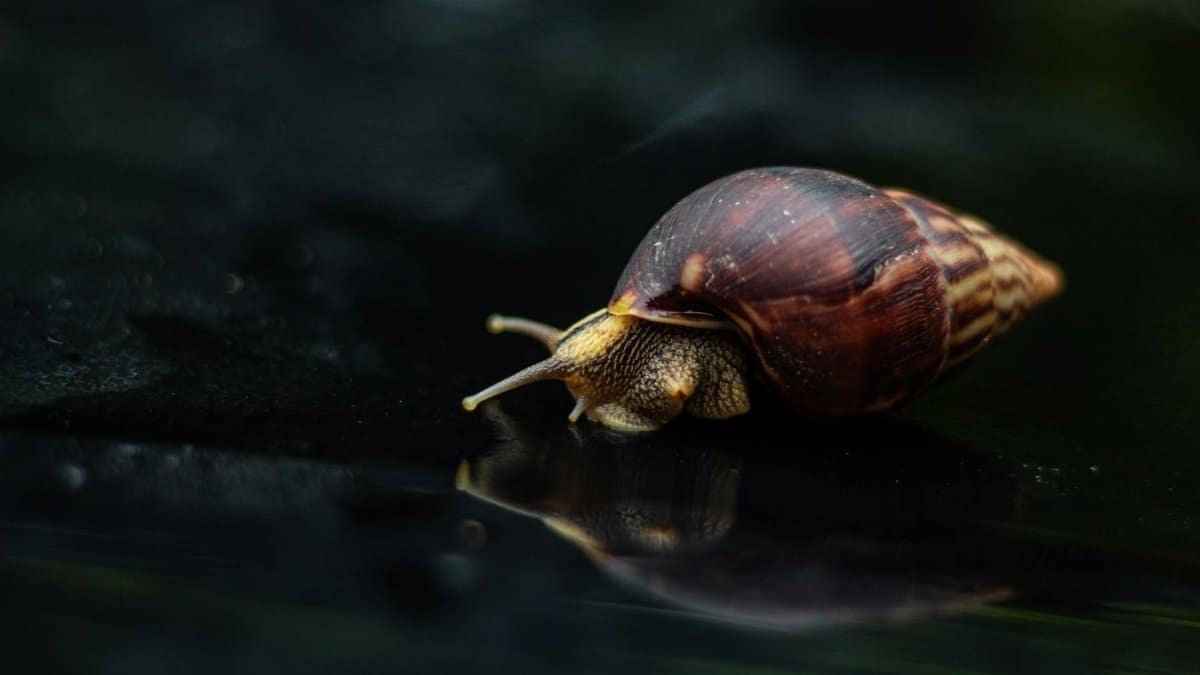
Florida’s Broward County faces a slimy nightmare: giant african snails, rat-sized invaders that devour stucco walls and carry meningitis, have returned, prompting an immediate quarantine by state officials.
Announced February 15, 2026, the quarantine locks down the area to curb the spread of these destructive pests. Officials warn residents to stay alert, as the snails’ ability to chew through home exteriors and transmit serious illness heightens the stakes. This resurgence echoes past battles with the species in the state, demanding swift action to protect property and public safety.
Quarantine Hits Broward County
Florida officials moved fast. On February 15, 2026, they imposed a strict quarantine across Broward County. The measure aims to contain the giant african snails before they overrun more turf. Movement of plants, soil, and certain goods now faces heavy restrictions. Inspectors patrol hotspots, hunting for egg clusters and trails of slime. Residents report sightings, fueling the crackdown. This isn’t optional—violations carry penalties. The quarantine buys time to eradicate the threat at its source.
Rat-Sized Menace Returns
These aren’t your garden-variety snails. Giant African land snails match a rat in size, growing up to eight inches long with thick, tough shells. Their bulk makes them hard to miss—and tough to ignore. Florida has fought them before, declaring victory in eradications. But on February 15, 2026, reports confirmed their comeback in Broward County. How they slipped back remains under investigation, but their presence signals trouble. One snail can lay hundreds of eggs, turning a few finds into an army fast.
Stucco Walls Under Siege

Homeowners beware: these snails eat stucco. Their radula—a rasping mouthpart—grinds calcium-rich surfaces like walls, siding, and concrete. In Broward County, where stucco defines so many homes, the damage adds up quick. A single infestation chews visible holes, weakens structures, and invites water intrusion. Repair costs soar as stucco crumbles. Officials highlight this trait in warnings, urging checks around foundations and yards. The snails’ hunger for building materials sets them apart from typical pests.
For details on their destructive feeding habits, see the Florida Department of Agriculture’s Giant African Land Snail page.
Meningitis on the Line

Health risks amplify the alarm. Giant african snails carry parasites linked to meningitis. Humans touch slime or mishandle snails, and the pathogen—often rat lungworm—takes hold. Symptoms strike hard: headaches, stiff necks, nausea. Vulnerable groups face worse outcomes. In past outbreaks, infections traced back to these carriers. Broward residents now hear repeated cautions: don’t touch, don’t eat, report immediately. The quarantine underscores this danger, protecting against a dual threat of property ruin and illness.
The CDC outlines risks from snails and slugs harboring meningitis-causing parasites on its Angiostrongylus (Rat Lungworm) page.
Officials Ramp Up Response

Florida’s agriculture teams lead the charge. Quarantine protocols mirror successful past efforts. Scouts deploy with tools to detect and destroy: heat treatments, baits, manual removal. Public hotlines buzz with tips. In 2026, technology aids the hunt—drones scan dense vegetation, apps log sightings. Broward County coordinates with federal partners for resources. The goal: total wipeout before breeding peaks. Officials stress unity—every report counts in boxing out the snails.
Spotting the Invaders
Know thy enemy. Giant african snails leave clues: shiny slime trails, half-eaten plants, large shells in brown or tan stripes. Active at night, they hide in moist spots by day—under debris, in pots, along walls. Size rivals a rat, with a muscular foot propelling their crawl. Eggs, tiny white clusters, signal multiplication. Broward locals learn these signs through alerts. Early detection halts spread. Snap photos, note locations, call pros—don’t play hero.
Impacts on Daily Life

Quarantine disrupts Broward routines. Gardeners halt soil moves; nurseries inspect stock. Home sales pause amid checks. Construction sites scrutinize materials. In 2026, this hits a booming area hard—tourism dips if word spreads. Families inspect yards, kids learn avoidance. Property values teeter with stucco threats. Yet compliance builds resilience. Officials predict containment if acted on now, sparing wider Florida fallout.
Lessons from Florida’s Fights

This return revives memories of giant african snail wars. Florida eradicated them statewide before, proving it’s doable. Broward now stands as ground zero. Success hinges on vigilance: seal cracks, clear debris, report odd finds. International travel smuggles them in—pets or hitchhikers. Statewide bans on imports hold firm. In 2026, renewed education campaigns target risks. The quarantine tests resolve, but history favors the prepared.
Next Steps for Residents

Act now. Avoid handling snails or slime—wash hands if contact occurs. Freeze finds to kill parasites safely. Trim plants, reduce moisture. Support inspectors; heed zones. Broward County updates flow via official channels. Quarantine lifts only when clear. This 2026 outbreak reminds: invasives don’t quit. Florida fights back, protecting homes from rat-sized ruin and hidden health bombs. Stay informed, stay safe.