
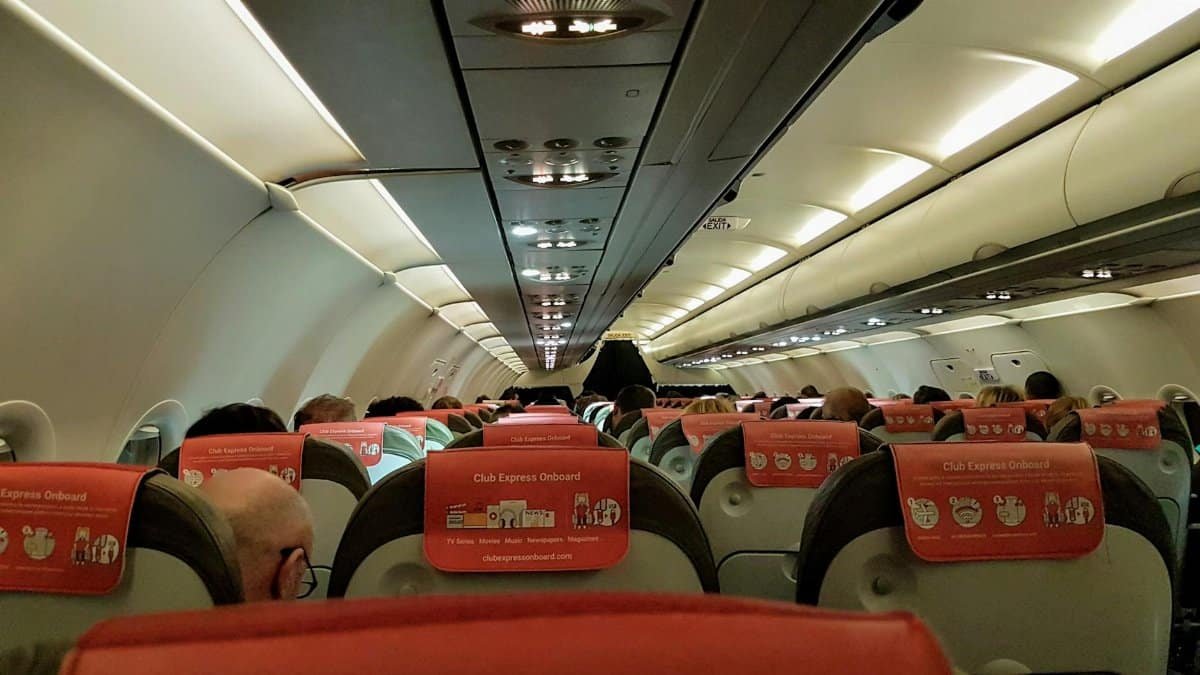
What if the cheapest ticket to your destination ends up grounding you for life? Major airlines have started issuing lifetime ban letters to passengers caught skiplagging—booking a layover city as their final stop to cut costs. Reported on February 15, 2026, this crackdown turns a popular money-saving tactic into a high-stakes risk. Travelers who skipped their final leg saved cash upfront but now face permanent blacklisting from carriers. The move signals a zero-tolerance shift in air travel enforcement.
What Is Skiplagging?

Skiplagging involves booking a flight with a layover in your actual destination, then exiting there instead of continuing to the listed endpoint. This exploits fare structures where nonstop or direct routes to closer cities cost less than longer itineraries. Passengers pocket the savings by ditching the second leg. Airlines view it as abuse, leading directly to the skiplagging ban measures now in play. The practice gained traction as fares fluctuated, but enforcement has tightened sharply.
The Money-Saving Mechanism

At its core, skiplagging leverages pricing discrepancies. A ticket from New York to Denver via Chicago might cost hundreds less than a straight New York-Chicago flight. Travelers book the longer route, fly to Chicago, and skip Denver. Savings can reach 50% or more on busy routes. This hack spread online through forums and apps, drawing budget-conscious flyers. Yet, as airlines monitor no-shows and patterns, the skiplagging ban letters serve as the ultimate deterrent. What once felt like a smart loophole now triggers severe repercussions.
Major Airlines Step In
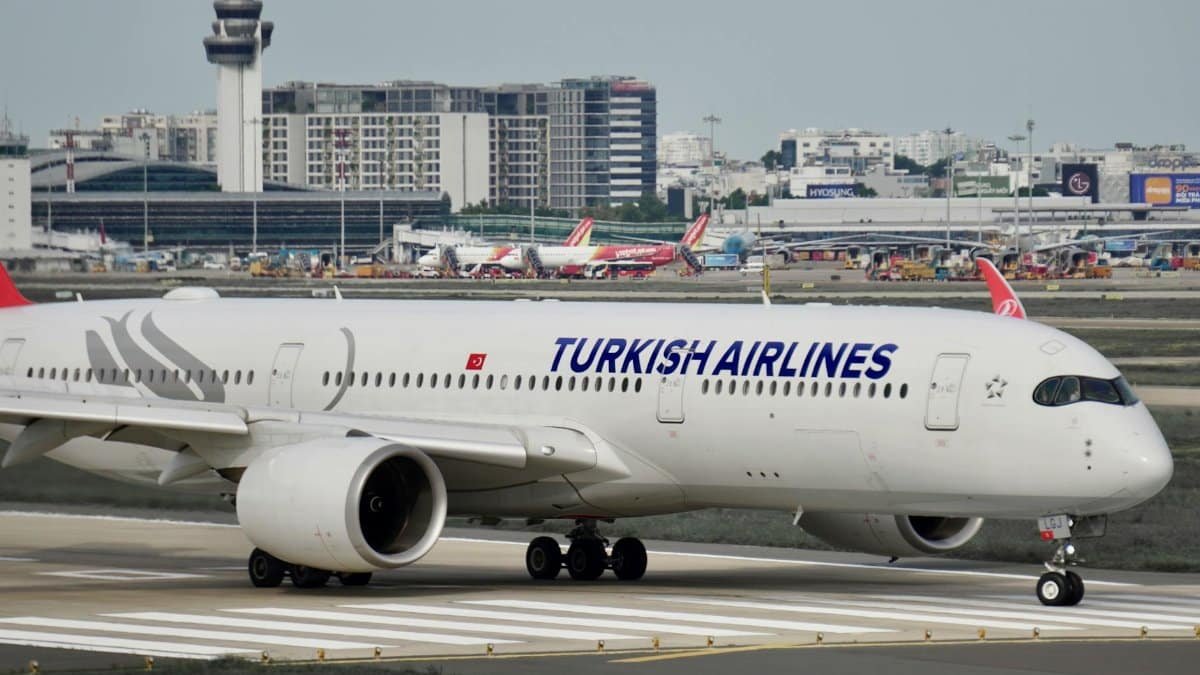
Leading U.S. carriers have rolled out lifetime bans for confirmed skiplaggers. Detection relies on booking data, check-ins, and baggage records. Once flagged, passengers receive formal letters prohibiting future travel on that airline and potentially partners. The February 15, 2026, reports highlight this as a coordinated industry response. No warnings precede the bans—violators learn their status when trying to book or board next time. This escalates from prior soft measures like fare adjustments.
For context on airline policies against such practices, see the U.S. Department of Transportation’s airline complaint guidelines, which outline contract terms carriers enforce.
Lifetime Ban Letters Explained

These letters arrive post-incident, detailing the violation and imposing a permanent bar. Recipients lose access to the airline’s network, including codeshares. The skiplagging ban isn’t a slap on the wrist; it’s exclusion from an ecosystem handling millions of flights yearly. Airlines justify it as protecting revenue and seat inventory for paying customers. In 2026, amid recovering post-pandemic demand, carriers prioritize compliance. One violation seals the fate—no appeals mentioned in initial reports.
Risks Outweigh Rewards

The summary captures the irony: it saved money but cost a flight—and more. Banned passengers scramble for alternatives, facing higher fares elsewhere or reliance on budget rivals. Frequent flyers hit hardest, as loyalty programs tie into major alliances. The skiplagging ban reshapes decisions, forcing full-fare bookings. Early 2026 cases show swift enforcement, with letters mailed within weeks. Travelers weigh short-term gains against long-term lockout.
Industry Impact in 2026

Airlines report cleaner manifests and fuller final legs since bans began. Revenue stabilizes as hidden city tricks fade. For passengers, awareness spreads via social media warnings. The February 15 announcement marks a pivot year, aligning with tech upgrades in tracking. U.S. carriers lead globally, setting precedents. Budget models suffer most, but enforcement levels the field.
American Airlines has publicly addressed skiplagging in legal actions; review their Conditions of Carriage for prohibited practices outlined in contract terms.
Passenger Detection Tactics

Carriers cross-reference manifests and GPS data from apps. Repeat patterns or group bookings trigger reviews. Baggage to the final city often outs skiplaggers. The skiplagging ban relies on this data net, closing loopholes. No-fly lists expand quietly, mirroring security protocols. In 2026, AI aids flagging, making evasion tougher.
Alternatives to Skiplagging

With bans in force, flyers turn to transparent options: error fares, miles redemptions, or low-cost carriers. Full disclosure avoids risks. Airlines incentivize direct bookings via sales. The era of exploiting layovers wanes under enforcement pressure.
Broader Travel Warnings

This skiplagging ban underscores contract fine print. Read terms before booking. U.S. regulators monitor but defer to carriers. Travelers adapt, prioritizing compliance over hacks. As 2026 unfolds, expect stricter audits across hubs. The message: savings shouldn’t cost your wings.