
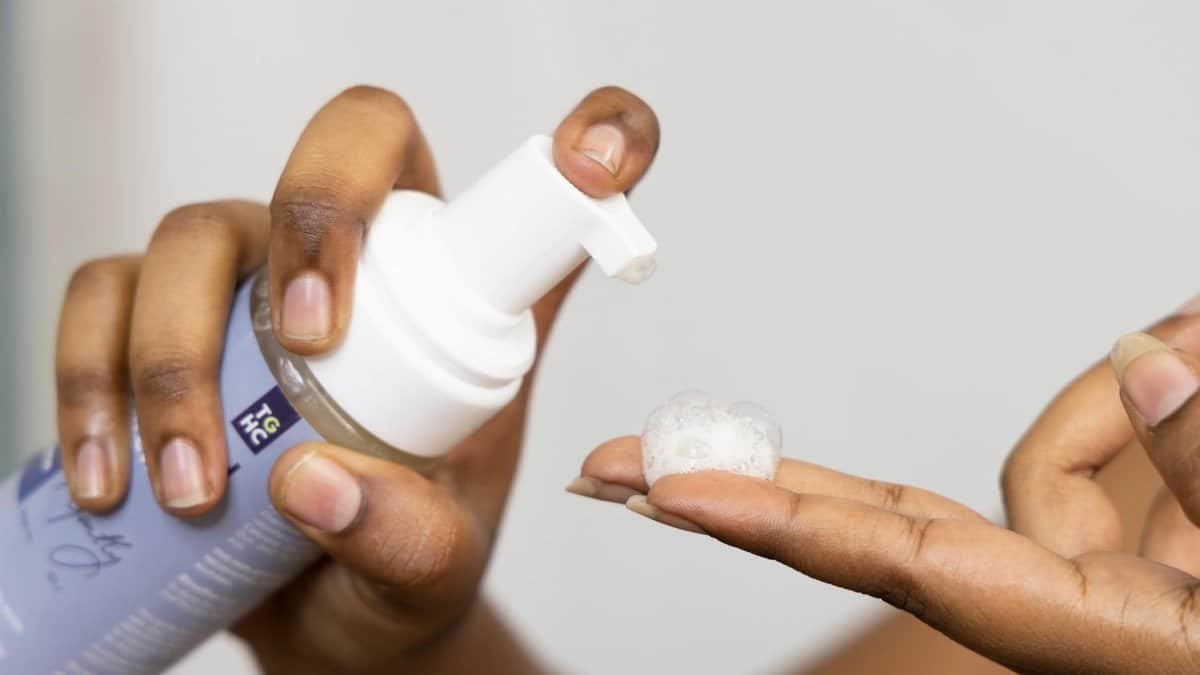
Is one face wash truly enough in today’s sun protection era? Dermatologists say no. On February 14, 2026, experts declared double cleansing the essential routine: an oil-based cleanser first, followed by a water-based one. This method alone removes stubborn waterproof SPF and cuts acne risk. Single washes leave residues that clog pores, fueling breakouts. As U.S. skincare habits evolve, this straightforward step promises clearer skin without compromise.
What Exactly is Double Cleansing?

Double cleansing breaks washing into two targeted phases. Start with an oil-based cleanser that dissolves oils, makeup, and waterproof SPF. Follow with a water-based cleanser to rinse away debris. Dermatologists emphasize this sequence as non-negotiable. It tackles the layered grime daily routines build up, especially from broad-spectrum sunscreens now standard in American beauty regimens. Skipping it means incomplete removal, per expert consensus.
Why One Wash Falls Short

A single cleanser can’t handle modern face protectants. Water-based soaps alone slide off oil-soluble SPF ingredients, leaving films behind. Oil-based products alone might not fully emulsify without a second rinse. Dermatologists note this gap allows buildup. In 2026, with SPF use at peak levels amid skin cancer awareness campaigns, one wash invites trouble. Residues linger, disrupting skin’s natural balance and priming pores for issues.
The Challenge of Waterproof SPF
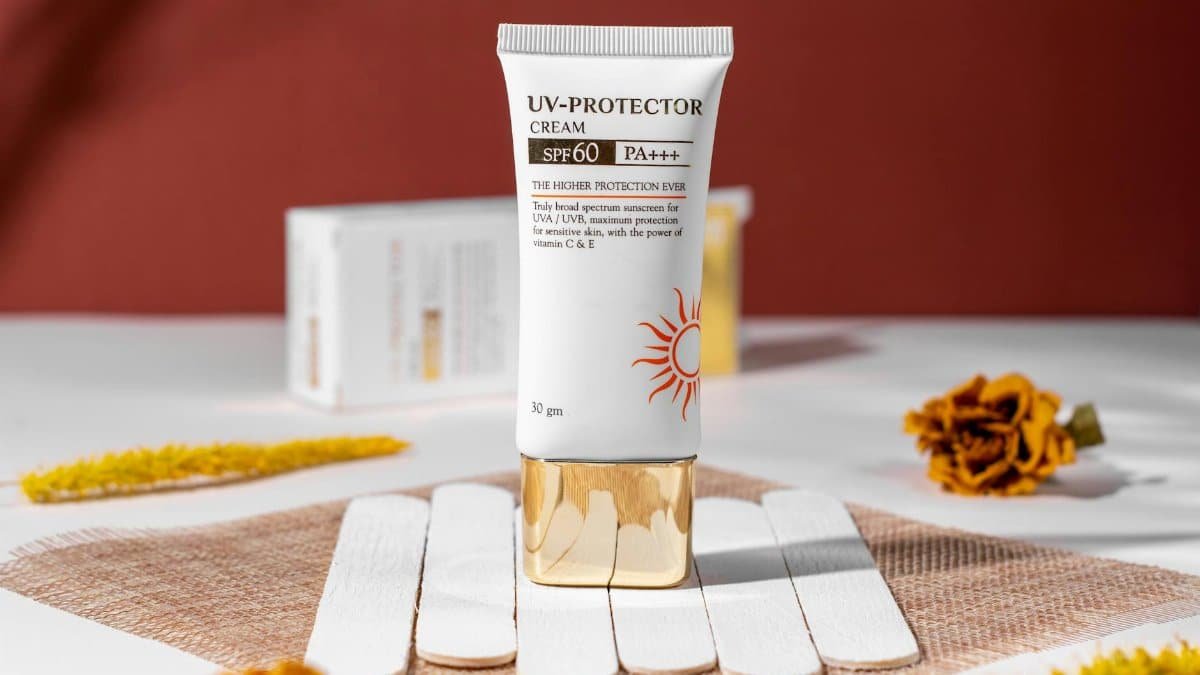
Waterproof sunscreens resist sweat, water, and basic soaps by design. Their oil-heavy formulas bond tightly to skin. Standard cleansers fail here, as dermatologists highlight. Double cleansing’s first step uses oil’s “like dissolves like” principle to break them down. This ensures full extraction, vital for U.S. consumers layering SPF daily. Without it, invisible barriers persist, blocking moisturizers and treatments while trapping bacteria.
How Oil-Based Cleansers Lead the Way
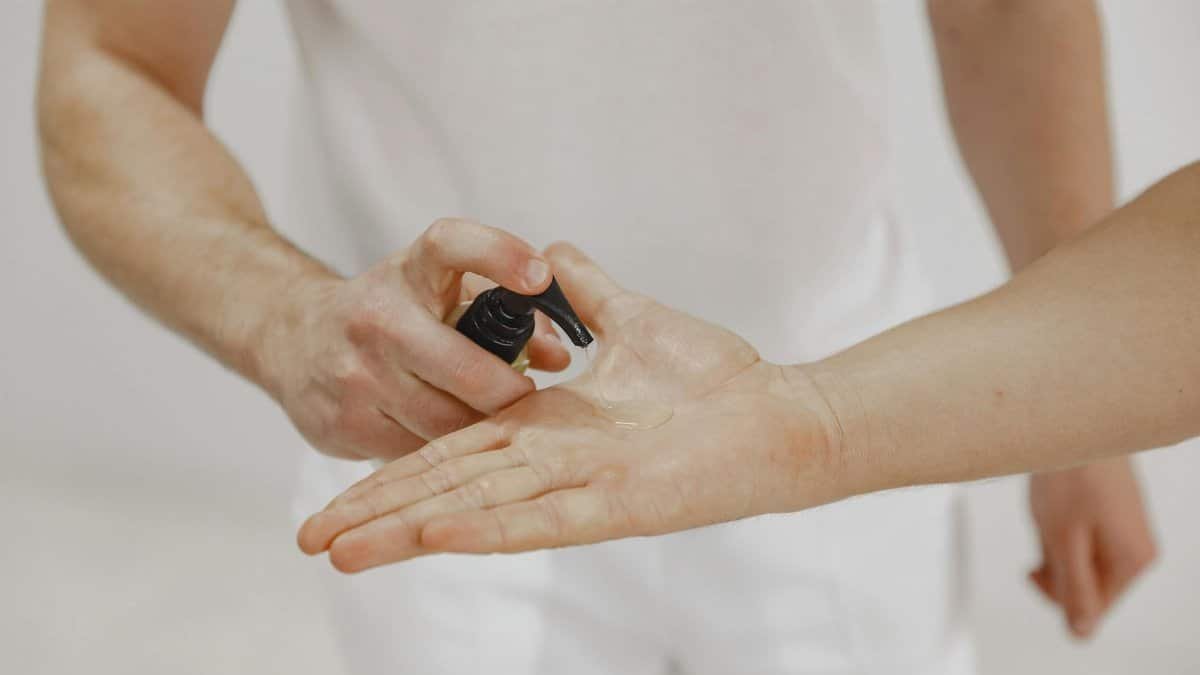
The oil cleanser acts as the heavy lifter. Applied dry or damp, it melts away SPF’s protective shield and excess sebum. Dermatologists recommend balm or oil textures for efficacy. Massaged gently for 30-60 seconds, it emulsifies with water into a milky rinse. This phase clears 90% of the workload, setting up success. In practice, it transforms stubborn residues into easy-to-remove particles, a game-changer for evening routines.
Water-Based Cleansers Seal the Deal

After oil removal, the water-based step refreshes. Foaming or gel formulas sweep out loosened debris, sweat, and pollutants. They maintain skin’s pH without stripping natural oils. Dermatologists stress this duo prevents the dryness single heavy cleanses cause. Together, they deliver a squeaky-clean base, ideal for serums and creams. This finish ensures no oily remnants linger overnight.
Acne Prevention at the Core

Clogged pores from SPF residue spark acne. Bacteria thrive in trapped oils, leading to inflammation. Double cleansing disrupts this cycle by evacuating impurities thoroughly. Dermatologists link incomplete washing directly to breakouts, especially in oily or acne-prone skin. Regular use promotes clearer complexions, reducing reliance on harsh treatments. For Americans battling hormonal or environmental acne in 2026, it’s a preventive powerhouse.
Dermatologists’ Unanimous Stance

Leading skin experts agree: double cleansing stands alone. No alternatives match its thoroughness against waterproof SPF. Organizations like the American Academy of Dermatology underscore proper sequencing for healthy skin. Their guidance aligns with this method, warning against shortcuts. In clinical views, it’s the gold standard for barrier protection without compromise.
Real-World Application Tips

Evening timing maximizes benefits, post-SPF application. Pat skin dry before oil cleanser; avoid eye rubbing. Rinse thoroughly between steps. Dermatologists advise gentler products for sensitive types. Consistency yields results in weeks, with smoother texture and fewer pimps. Integrate into U.S. trends like minimalist routines—two minutes nightly redefines washing.
Broader Skin Health Implications
Beyond acne and SPF, double cleansing enhances absorption of actives like retinoids. It preserves the microbiome, per dermatological insights. For 2026’s focus on longevity skincare, it supports anti-aging by minimizing oxidative stress from residues. The AAD’s acne care tips reinforce cleansing’s role in overall health, positioning this as foundational.
This shift underscores a simple truth: effective washing demands strategy. Dermatologists’ call on February 14, 2026, spotlights double cleansing as indispensable amid rising SPF demands.