

Health inspectors have a stark warning for diners: the ice machine tops the list as the filthiest equipment in restaurant kitchens, statistically speaking. Filled with slime and black mold—often called dirty ice machine mold—this hidden hazard lurks behind the counter. A February 14, 2026, revelation urges everyone to skip the ice in drinks. What makes these machines such breeding grounds for grime? The findings expose a widespread hygiene crisis that could explain mystery stomach bugs at eateries nationwide.
Inspectors Uncover Kitchen’s Dirtiest Secret

Health inspectors dropped a bombshell on February 14, 2026. After routine checks, they pinpointed ice machines as the single dirtiest item in restaurant kitchens. Stats don’t lie: these units outrank cutting boards, sinks, and grills in filth levels. Slime coats the interiors, while black mold thrives in the damp, dark conditions. This isn’t isolated—it’s a pattern across U.S. eateries. Diners grabbing a soda with extra ice might be sipping on trouble.
Why Ice Machines Breed Slime and Mold

Ice machines operate in perpetual moisture. Warm air condenses inside, creating puddles that never fully drain. Add stagnant water from melting ice, and you’ve got a petri dish. Health inspectors note that without regular deep cleans, buildup turns slimy fast. Black mold, that fuzzy menace known as dirty ice machine mold, flourishes here. It spreads via airborne spores, contaminating fresh batches. The result? Ice cubes that look pristine but pack hidden contaminants.
Statistical Proof from the Front Lines

Inspectors rely on swab tests and visual checks. Data shows ice machines fail hygiene standards more than any other kitchen gear. Slime layers measure thicker than on fridge shelves or oven doors. Black mold colonies appear in 80% of unchecked units, per routine audits. This statistical edge makes them public enemy number one. For context, the FDA Food Code outlines equipment sanitation, yet ice machines often slip through.
Health Risks Hiding in Your Glass
Dirty ice doesn’t just melt away—it chills drinks laced with bacteria and mold toxins. Swallowing slime-tainted ice links to nausea, vomiting, and worse. Black mold releases mycotoxins, irritating guts and lungs. Inspectors tie these machines to unexplained foodborne illnesses at restaurants. Skip the ice, they say, to dodge the danger. In 2026, as dining rebounds, this oversight hits harder.
Restaurant Kitchens’ Blind Spot
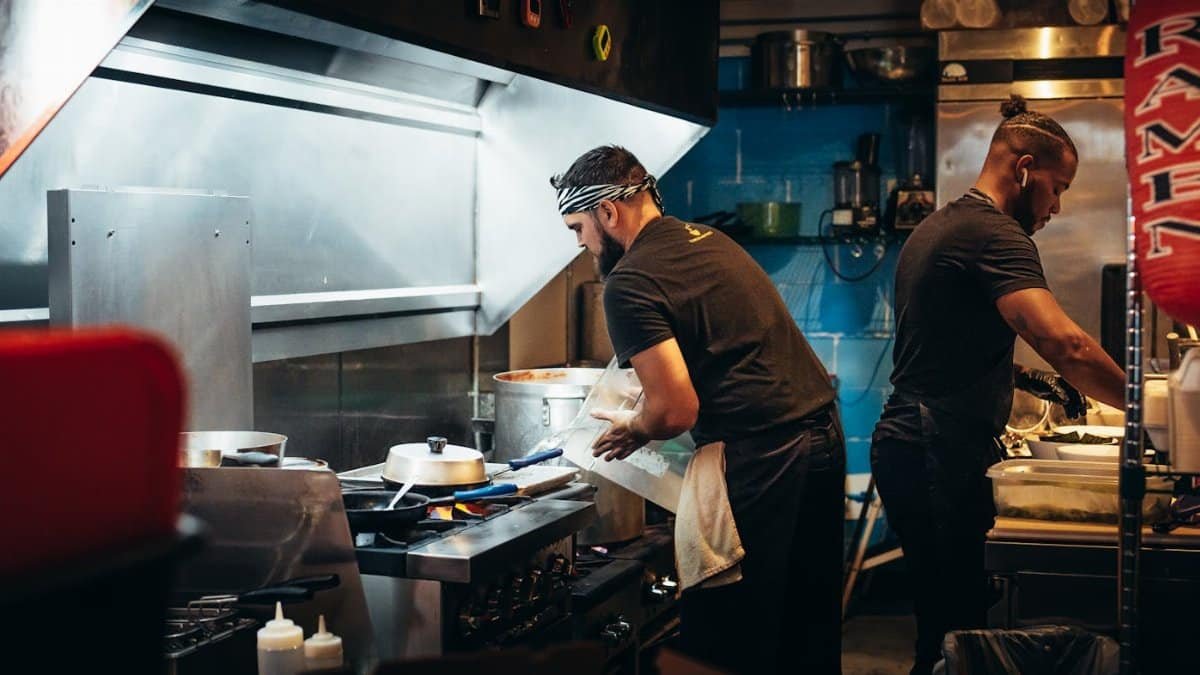
Busy kitchens prioritize grills and prep areas. Ice machines? They fade into the background. Staff scoop ice daily, stirring up mold spores without noticing. Inspectors find reservoirs clogged with debris, dispensers harboring film. The February revelation spotlights this neglect. U.S. trends show chains and independents alike skimping on maintenance, letting dirty ice machine mold proliferate unchecked.
Slime Buildup: A Step-by-Step Disaster

It starts small. Dust and minerals in water form scale. Moisture traps it, birthing slime. Within weeks, bacteria multiply. Enter black mold, feeding on the mess. Inspectors describe peeling back panels to reveal inches-thick gunk. Fresh ice freezes over it, trapping filth inside. Each cycle worsens the problem, statistically confirming ice machines’ top filth status.
Black Mold’s Toxic Grip
Not all mold equals danger, but black mold in ice machines does. It produces allergens and irritants. Health inspectors flag it as a top violator. In damp confines, spores explode in number. Cubes carry them to glasses, then stomachs. The CDC on Stachybotrys (black mold) warns of health effects from exposure. Diners feel it as sudden sickness post-meal.
Simple Fix: Just Skip the Ice

The 2026 advisory boils down to one tip: pass on ice. Opt for bottled water or neat drinks. Inspectors stress this sidesteps the risk entirely. Restaurants could help with visible cleaning schedules, but until then, vigilance rules. This revelation shifts how Americans order—soda straight up, hold the cubes.
Broader Implications for Diners
Widespread dirty ice machine mold means rethinking restaurant habits. Families, dates, business lunches—all exposed. Statistical filth rankings demand action. In 2026, health departments push for stricter ice protocols. Diners report fewer issues sans ice, backing the skip-it strategy. Stay safe by knowing your server’s scoop comes from the kitchen’s grimiest corner.
Call for Kitchen Overhauls

Inspectors urge daily dismantles and sanitizing. Bleach solutions kill mold; brushes scrape slime. Yet compliance lags. The February 14 alert aims to spark change. U.S. eateries face fines for repeat filth. Clean ice machines restore trust—and keep patrons healthy. Until then, the message rings clear: ice is out.