

Dentists are urging a radical change in bedtime routines: tape your mouth shut while sleeping. On February 10, 2026, reports highlighted that mouth tape dentist recommendations are surging beyond their traditional use for snoring. The core issue? Sleeping with an open mouth dries out saliva, identified as the number one cause of cavities. This simple hack aims to restore natural moisture and protect teeth overnight, marking a shift in preventive dental care.
Dentists Embrace Mouth Taping

Dental professionals are now actively recommending mouth taping as a frontline defense against oral health decline. The practice, once niche, gains traction in 2026 for its direct impact on saliva production. By encouraging nasal breathing during sleep, dentists address a fundamental problem overlooked in standard advice. This recommendation underscores a proactive stance, positioning mouth tape dentist strategies at the forefront of cavity prevention.
Beyond the Snoring Solution
It’s not just for snoring. Mouth taping extends far beyond quieting nighttime noise. Dentists highlight its broader application in maintaining oral hydration. Sleeping with the mouth open disrupts the body’s natural saliva flow, a detail now central to their guidance. This evolution reflects growing awareness of everyday habits’ role in dental health, with mouth tape dentist emerging as a versatile tool.
The Hidden Risk of Mouth Breathing

Sleeping with your mouth open invites trouble. Airflow bypasses the nasal passages, leading to rapid evaporation of saliva. Dentists point to this as a primary vulnerability during rest hours. Without intervention, the mouth becomes a dry environment ripe for bacterial growth. Mouth tape dentist protocols counter this by promoting closed-lip breathing, a straightforward adjustment with significant payoff.
Saliva’s Critical Role

Saliva stands as the mouth’s first line of defense. It neutralizes acids, washes away food particles, and remineralizes enamel. When sleeping with the mouth open, this protective layer diminishes quickly. Dentists emphasize saliva’s indispensable function, noting its depletion as a key factor in oral decay. For more on saliva’s protective mechanisms, see the National Institute of Dental and Craniofacial Research page on dry mouth.
Dry Mouth: Cavity’s Top Trigger
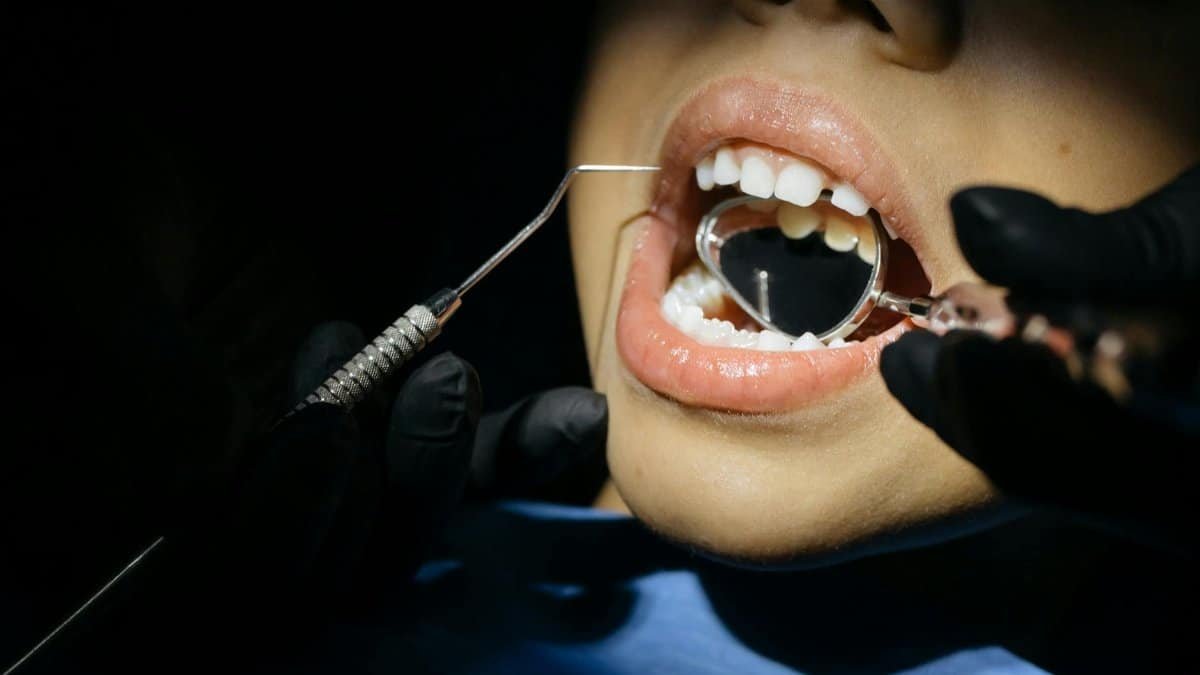
Drying out saliva ranks as the number one cause of cavities, according to dental experts. Without adequate moisture, enamel weakens, and harmful bacteria thrive unchecked. Mouth breathing at night exacerbates this, turning hours of sleep into a risk period. Dentists’ push for mouth taping directly targets this chain reaction, aiming to keep saliva levels optimal and cavities at bay.
How Mouth Taping Restores Balance
Mouth taping works by sealing the lips, forcing nasal respiration. This preserves saliva, countering the dryness from open-mouth sleeping. Dentists recommend it precisely for this reason, framing it as an accessible fix in 2026’s health landscape. The approach aligns with basic physiology, leveraging the body’s design for nasal airflow to safeguard teeth.
A Growing Trend in Dental Care
In U.S. dental practices, mouth tape dentist advice is on the rise. The February 10 announcement amplifies a shift toward preventive measures rooted in sleep hygiene. Patients stand to benefit from fewer cavities through this low-tech method. It signals dentists prioritizing saliva preservation over reactive treatments, a trend gaining momentum amid heightened oral health focus.
Why Now in 2026?

The timing feels urgent in 2026. With awareness of sleep’s impact peaking, dentists spotlight mouth taping’s efficacy. Sleeping open-mouthed dries saliva relentlessly, fueling the cavity epidemic. This recommendation arrives as a timely countermeasure, backed by the direct link between moisture loss and decay. For insights into cavity causes tied to oral dryness, review the American Dental Association’s resource on xerostomia.
Additional context from federal health sources reinforces the saliva-cavity connection; the CDC’s adult oral health tips stress maintaining mouth moisture for prevention.
Practical Implications for Patients

For everyday Americans, mouth tape dentist guidance means rethinking bedtime. The practice addresses a silent saboteur: nighttime mouth breathing. By retaining saliva—the top cavity fighter—users align with dentists’ latest counsel. This isn’t experimental; it’s grounded in the mechanics of dry mouth’s harm.
Shifting Preventive Paradigms

Dentists are redefining prevention with mouth taping. No longer sidelined to snoring remedies, it tackles saliva depletion head-on. Sleeping with the mouth open remains a top cavity culprit, but this intervention offers control. As 2026 unfolds, expect wider adoption, empowering patients against the dryness that undermines oral health.