

By Chris F. Weber | February 17, 2026
Texas confronts a voracious invader. The New World Screwworm, a flesh-eating parasite absent from the U.S. for decades, prompts a statewide disaster declaration. Known regionally as screwworm texas, this pest devours living tissue and now marches toward the border. Officials warn of severe risks to livestock, wildlife, and possibly humans if it breaches defenses. The declaration unlocks emergency resources to combat the spread in 2026.
What Is the New World Screwworm?

The New World Screwworm represents a deadly fly species whose larvae target warm-blooded animals. Females lay eggs near wounds or natural openings. Hatching maggots burrow into living flesh, feeding voraciously. This process causes rapid tissue destruction. Unlike common blowflies that feed on dead matter, screwworms attack healthy tissue. Texas authorities highlight this unique horror as the parasite nears.
Historical outbreaks devastated herds before eradication efforts succeeded. Now, in 2026, resurgence threatens renewed chaos. The fly’s life cycle amplifies danger: adults mate soon after emerging, females produce thousands of eggs. One infestation spirals quickly without intervention.
Texas Issues Statewide Disaster Declaration
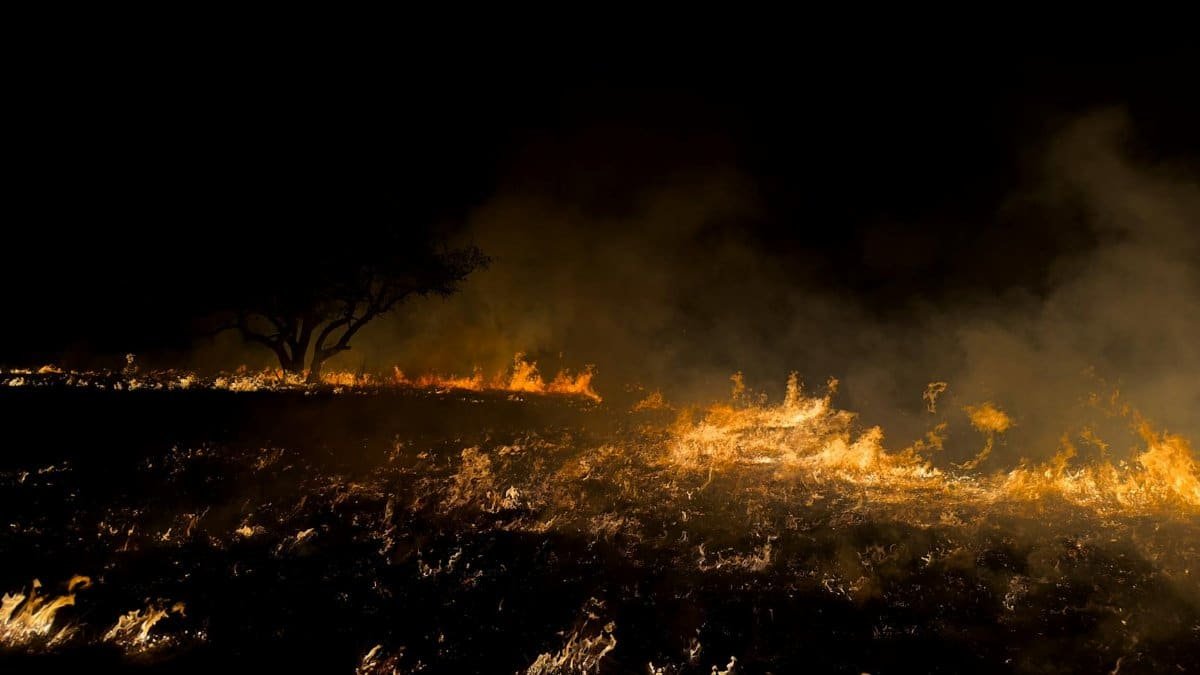
Governor’s office activates emergency powers. The statewide disaster declaration mobilizes state agencies, funds, and personnel. This step signals urgency beyond routine pest control. Resources flow to border regions first, with plans to scale statewide. Texas prioritizes containment to shield agriculture, a economic pillar.
Declaration details remain focused: surveillance ramps up, quarantine zones prepare, treatments stockpile. Farmers receive alerts on symptoms like oozing wounds and larval masses. Early detection proves critical in 2026’s escalating crisis.
Flesh-Eating Menace Defined

It eats living tissue—that stark fact defines the screwworm’s terror. Larvae secrete enzymes dissolving meat while burrowing deeper. Infested animals suffer agony, weight loss, and death if untreated. Humans face risks from accidental exposure, though rare.
Veterinarians note telltale signs: foul odors from wounds, swarms of flies. Texas ranchers recall past eras when screwworms crippled operations. Revival in 2026 revives those nightmares, demanding swift action.
Absent from U.S. for Decades

Eradication campaigns wiped screwworms from U.S. soil decades ago. Sterile insect technique—releasing irradiated males—proved victorious. By the 1960s, the pest vanished north of the border. Mexico sustained barrier programs to keep it south.
For more on eradication history, see the USDA APHIS New World Screwworm page. This success held until recent southern outbreaks challenged containment.
Marching Toward the Texas Border

The parasite advances relentlessly toward Texas. Winds, animal movement, or smuggled livestock carry flies northward. Border proximity heightens invasion odds. Officials track sightings in adjacent areas, projecting U.S. entry soon.
Texas bolsters patrols and traps along the line. The march underscores vulnerability in 2026, as global travel and trade ease pathogen hops. Containment hinges on rapid response before establishment.
Threats to Livestock and Economy
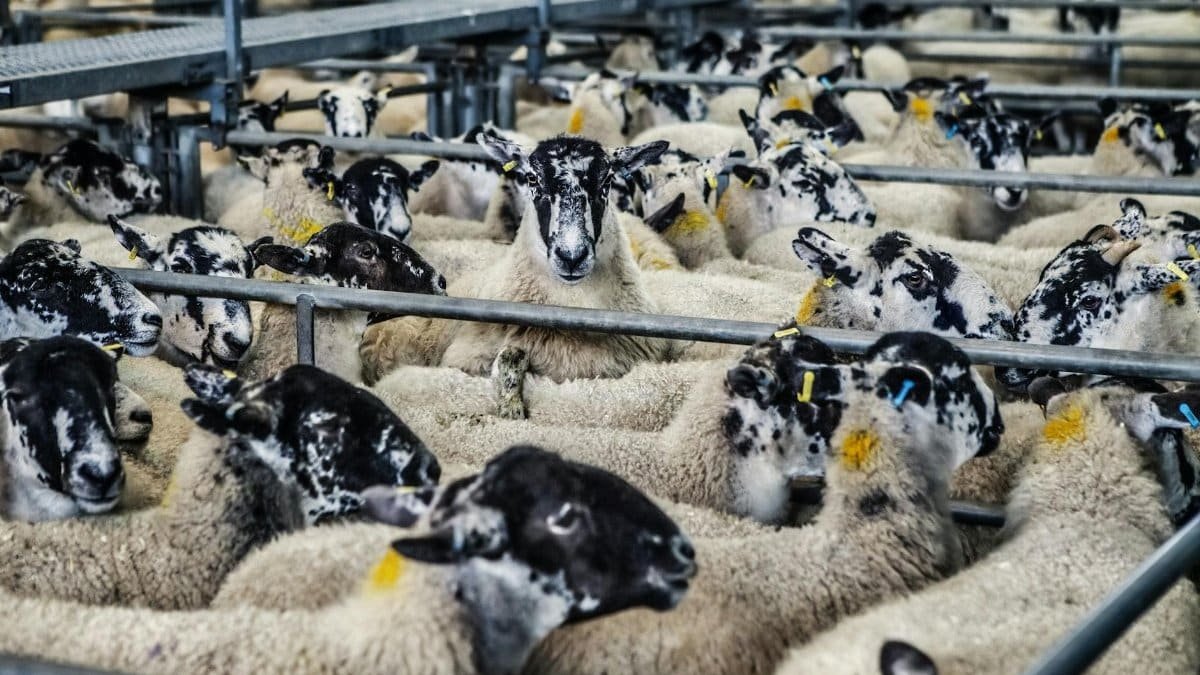
Ranchers brace for impact. Cattle, the state’s top commodity, suffer most. Infestations slash meat production, hike vet bills. One cow’s death ripples through supply chains. Wildlife like deer face parallel declines, disrupting ecosystems.
Texas economy, tied to $20 billion ag sector, stands exposed. Disaster declaration aims to avert billions in losses, echoing past epidemics. Farmers urged to inspect herds daily amid 2026 tensions.
Government and Expert Responses

State teams coordinate with federal partners. USDA deploys specialists, sterile flies potentially. Quarantine enforces isolation of suspect animals. Public campaigns educate on fly traps, wound care.
Experts stress prevention: clean wounds, report suspicions. For detailed biology, review the University of Florida’s screwworm factsheet. Texas leverages these protocols in its 2026 defense.
Historical Lessons Resurface

Decades of absence bred complacency. Past U.S. campaigns cost millions but saved more. Florida’s 2016 pet deer outbreak reminded all: one fly restarts cycles. Texas draws from that playbook now.
Border states unite efforts. Mexico’s programs falter under pressure, allowing northward push. Shared vigilance defined prior wins; 2026 tests renewed resolve.
Path Forward in Crisis

Disaster declaration buys time. Surveillance networks expand, labs confirm cases. Insecticide dips, surgery remove larvae. Long-term, sterile releases resume at scale.
Texas public plays key role: vigilance curbs spread. As screwworm texas nears, unified action defines 2026’s battle. Success hinges on speed, science, and solidarity against this flesh-eating foe.
(Word count: 812)