

You slept a full eight hours, so why do you wake up exhausted? Experts revealed on January 11, 2026, that “junk sleep”—rest torn apart by alcohol or light—is trapping millions in endless fatigue. This low-quality slumber fails to refresh the body, often leaving people gripped by sleep inertia, that heavy fog right after waking. Despite logging enough hours, fragmented nights mean no true recovery, fueling a national exhaustion crisis.
What Exactly is Junk Sleep?
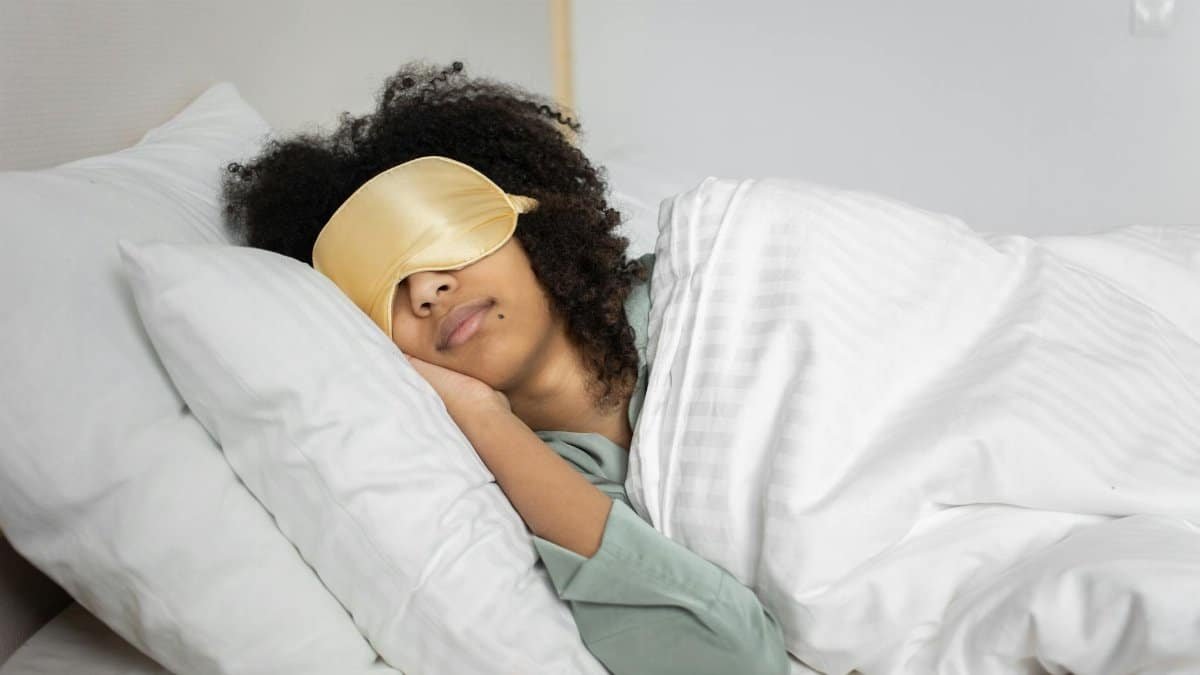
Junk sleep describes nights where sleep duration hits the mark—around eight hours—but quality crashes. Interruptions from alcohol or ambient light chop up sleep cycles, preventing deep, restorative stages. The result? A body that’s technically rested but feels drained. Experts highlight this as the hidden reason many Americans start their days sluggish, mistaking it for mere tiredness.
Alcohol: The Silent Sleep Shredder

That evening drink might help you nod off faster, but alcohol fragments sleep brutally. It slashes REM phases early on, then triggers rebounds later, causing wake-ups and unrest. Even moderate intake disrupts the architecture of rest, turning solid hours into junk. Studies confirm this pattern leaves drinkers groggy despite time spent in bed. For details, see the Sleep Foundation’s analysis on alcohol and sleep.
Light Exposure’s Nighttime Sabotage

Screen glow or streetlights seep into bedrooms, wreaking havoc. Blue light from phones suppresses melatonin, delaying deep sleep onset and fragmenting the night. Even dim sources keep the brain alert, slicing rest into poor chunks. This modern plague turns dark hours into lit-up disruptions, amplifying exhaustion. Research from the National Institutes of Health outlines how light alters sleep patterns, as detailed here on the NHLBI site.
Sleep Inertia Amplified by Junk Nights
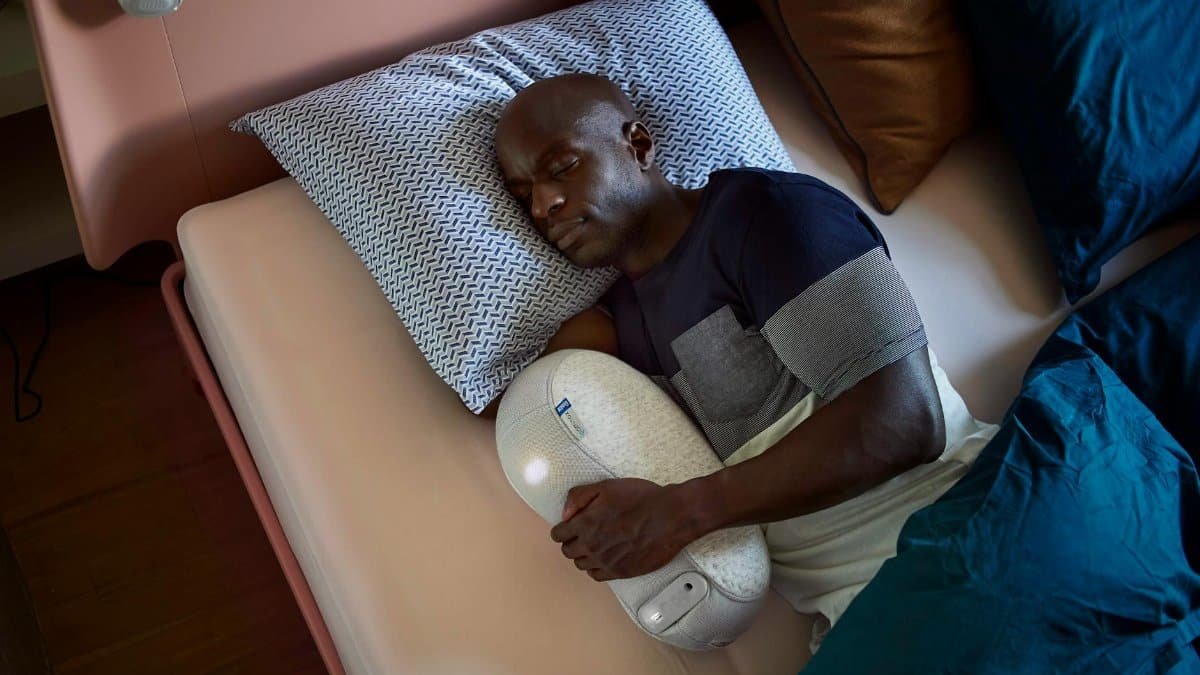
Sleep inertia hits as that disoriented haze upon waking, lasting minutes to hours. Junk sleep stretches it further, blending into all-day drag. Without smooth transitions from deep stages, the brain struggles to rev up. Experts link this prolonged grogginess directly to fragmented rest, explaining why eight hours feel futile. Millions report this daily battle, trapped in inertia’s grip.
Millions Caught in Permanent Exhaustion

The scale stuns: millions endure this junk sleep trap, logging hours yet facing nonstop fatigue. U.S. trends in 2026 show it widespread, from urban night owls to casual drinkers. Permanent exhaustion erodes productivity, mood, and health. Experts warn it’s not laziness—it’s biology shortchanged by poor rest quality.
Why Eight Hours Falls Short

Duration deceives. Eight hours of junk sleep skips vital recovery, leaving adenosine buildup and cortisol spikes. The body craves unbroken cycles for repair, not chopped segments. This mismatch fuels the “tired after sleep” paradox, hitting workers, parents, everyone chasing rest but getting rubble.
Expert Alerts Sound the Alarm
Sleep specialists in 2026 are blunt: junk sleep from alcohol and light is epidemic. They urge ditching disruptors for solid nights. Early data ties it to broader fatigue waves, pressing public awareness. No quick fix, but recognition starts change.
Spotting Junk Sleep in Your Routine
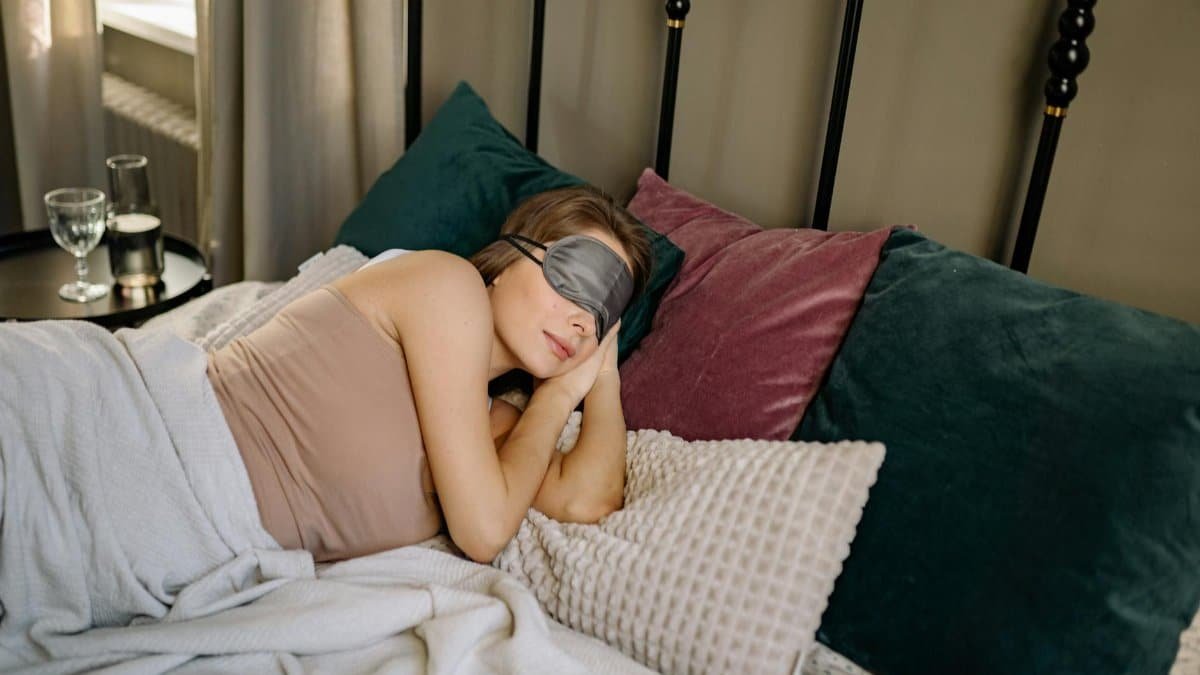
Clues abound: waking multiple times, dry mouth from drinks, or bedroom glow. Morning sleep inertia that lingers signals fragmentation. Track patterns—late lights or nightcaps—and see the toll. Millions ignore these, perpetuating the cycle.
Breaking Free from the Exhaustion Loop

Experts push basics: black out rooms, skip alcohol hours before bed. Aim for quality over quantity. In 2026, as awareness grows, ditching junk sleep could reclaim energy for millions. Solid rest rebuilds, ending the tired-after-eight-hours riddle.