
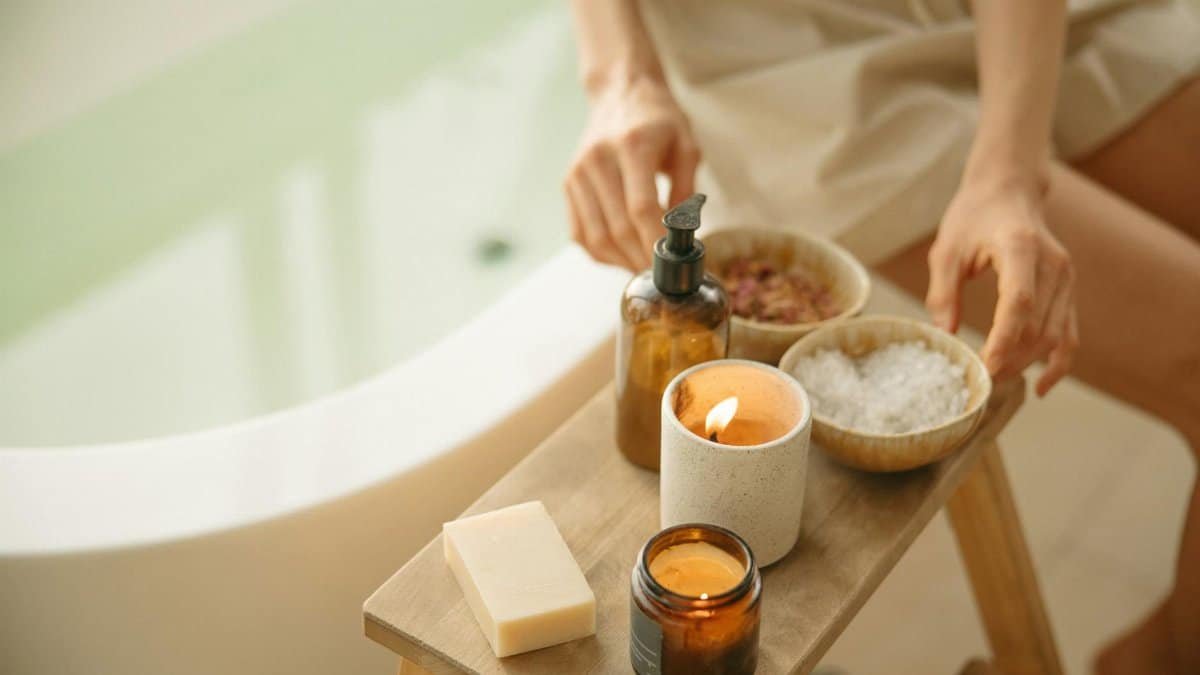
A new study drops a bombshell: one hour in a hot bath torches as many calories as a 30-minute walk. Released January 30, 2026, the research shows passive heating spikes heart rate, mimicking light exercise without breaking a sweat. For those tracking hot bath calories, this means tubs could rival treadmills. Wellness experts note it redefines calorie burn, especially for sedentary routines. Skip the gym—fill the tub.
The Study’s Core Revelation

The January 30, 2026, study cuts straight to it: a one-hour hot bath delivers calorie burn on par with a 30-minute walk. Researchers pinpoint passive body heating as the driver. Water temperature elevates core heat, prompting the heart to pump faster. This response burns energy stores naturally. No weights, no jogging—just immersion. The finding resonates amid rising demand for low-effort wellness hacks. It positions hot baths as viable calorie tools, backed by measured physiological shifts.
Passive Heating at Work
Hot baths trigger thermoregulation. Skin absorbs heat, raising internal temperature. Blood vessels dilate, heart rate climbs to sustain circulation. The study emphasizes this passive process equals active movement’s demands. Unlike cold plunges, sustained warmth sustains the effect for a full hour. Calorie expenditure follows as the body works to balance heat. This mechanism underscores hot bath calories as a stealth fitness option, demanding zero physical strain.
Heart Rate: The Hidden Engine

Central to the research: heart rate elevation. A hot bath passively pushes it up, similar to moderate walking paces. The body ramps oxygen delivery and fuel use to manage heat stress. Researchers observed sustained increases, translating to meaningful energy burn. This mirrors cardiovascular exercise responses. For heart health watchers, it suggests baths support rate training indirectly. The 2026 data solidifies baths as heart-pumping alternatives in daily life.
Calorie Burn Face-Off: Bath vs. Walk

Direct comparison drives the study’s punch. One hour soaking matches 30 minutes strolling—both yield equivalent calories. Walking demands legwork and steady pace; baths rely on heat immersion. Neither requires intensity, appealing to beginners or mobility-limited individuals. The equivalence highlights efficiency: half the time for walks, zero steps. Hot bath calories emerge equal contenders, flipping exercise scripts for 2026 lifestyles.
Why This Matters for Wellness

In a gym-saturated world, the study spotlights accessible calorie burn. Busy professionals, seniors, or injury-prone folks gain an edge. Passive methods lower barriers, promoting consistency. Heart rate boosts aid metabolism without joint stress. U.S. wellness trends lean toward such integrations, with home rituals gaining traction. The research fuels hot bath calories as sustainable habits, blending relaxation with results.
Broader Fitness Shifts
The findings challenge “no pain, no gain” dogma. Passive calorie burn via heat expands options beyond cardio or strength. It complements routines, not replaces them. For weight management, stacking baths with diet amplifies effects. The 2026 study arrives as Americans seek hybrid wellness—active days, passive boosts. Tubs become tools, not luxuries, reshaping home fitness narratives.
Scientific Backing and Context

This new research echoes established work. A 2016 study in the journal Temperature, led by Japanese researchers, measured similar outcomes: 60 minutes at 40°C water burned around 140 calories, akin to light cycling or walking. Heart rate rose comparably, confirming passive heat’s power. See the abstract on PubMed (NIH). BBC coverage detailed public reactions, noting everyday applications: BBC News summary. These align with the 2026 update, reinforcing reliability.
Everyday Applications Emerge
Integrate easily: aim for one-hour soaks post-dinner. Water at comfortable hot levels maximizes heart response. Track hot bath calories via apps estimating passive burn. Pair with hydration to sustain benefits. The study implies routine use builds cumulative effects, supporting 2026’s wellness pivot to effortless methods. No equipment needed—just a tub. This democratizes calorie management, hitting U.S. homes where walking weather falters.
The January 30 announcement sparks debate. Critics question scalability; proponents hail simplicity. Yet data stands firm: heat-driven heart rate equals walk’s toll. As hot bath calories gain buzz, expect bathroom upgrades nationwide. Wellness evolves—one soak at a time.